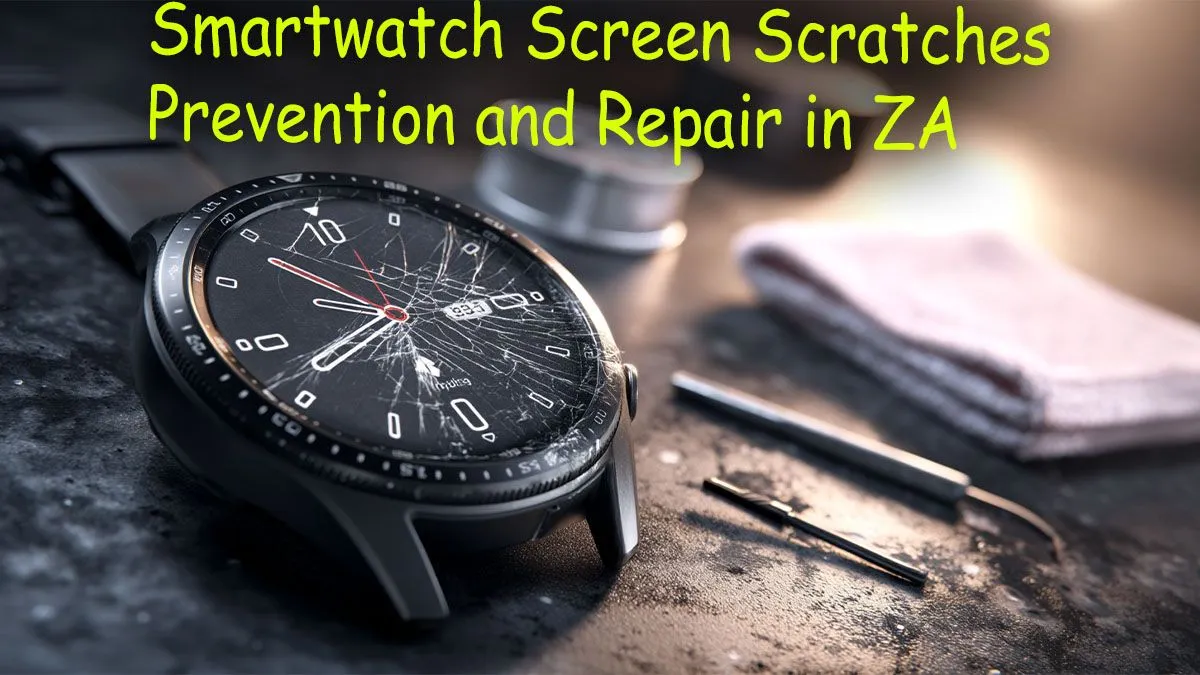
That heart-stopping moment… you glance at your wrist and see it. A long, ugly scratch across your smartwatch screen. In South Africa, our watches are our companions, from tracking a morning run along the Durban promenade to paying for coffee in a bustling Joburg café. A scratched screen doesn't just look bad; it feels like a personal failure. But don't despair. This guide covers everything you need for smartwatch screen scratch repair and prevention.
Prevention First: Protecting Your Investment
Before we even talk about fixes, let's talk about armour. The best way to handle a smartwatch screen scratch is to never get one in the first place. Modern devices often boast tough glass, but concrete, keys, and life in general are tougher. Protecting your device from day one is the smartest, most cost-effective strategy.
Screen Protectors & Cases
This is your first line of defence. You have two main options:
- Tempered Glass: Offers superior impact and scratch protection. It feels just like the original screen but adds a tiny bit of bulk.
- TPU Film: A thinner, more flexible option that’s great against minor scuffs and scratches. It's less noticeable but offers minimal protection from drops.
A protective bumper or case can also absorb shock from accidental bumps against desks and door frames. Considering the advanced tech packed into today's smart watches collection, spending a few extra hundred Rand on protection is a no-brainer. ✨
Check Your Specs Before You Buy 💡
Not all smartwatch screens are created equal. When browsing, look for materials like Corning Gorilla Glass or, on premium models, Sapphire Crystal. Sapphire is incredibly scratch-resistant (second only to diamond). Knowing your screen's material helps you understand its durability and choose the right level of protection.
DIY Smartwatch Scratch Repair: The Risky Business
A quick Google search will show you countless "home remedies" for screen scratches, from toothpaste to baking soda. Stop right there. Most of these methods are a terrible idea. Here’s why: these substances are abrasive. They work by grinding down the area around the scratch to level the surface.
This can cause several problems:
- It can create a haze of micro-scratches, making the problem worse.
- It will strip the oleophobic coating, a special layer that repels fingerprints and oils.
- It could force abrasive paste into seams, potentially damaging the watch's internals or water resistance.
For very light, almost invisible scuffs on plastic-cased watches, a dedicated polishing compound like Polywatch might work, but it's a risk. For most modern glass screens, DIY attempts are a path to regret. If you're using a feature-rich device like one of the popular Promate smartwatches, you don't want to risk damaging its functionality for a cosmetic issue.
When to Get Professional Help… or a Fresh Start 🚀
So, what do you do with a deep, noticeable scratch? If it's a premium watch and the damage is severe, your best bet is a professional screen replacement. This guarantees a perfect finish and maintains things like water resistance. However, this service can be expensive, sometimes costing a significant fraction of the watch's original price.
This brings up an important question: is a repair worth the cost?
Take a moment to weigh your options. A professional repair on a high-end watch might cost over R2,000. When you can get a brand new, capable device for a fraction of that, an upgrade often makes more financial sense. You'd be surprised at the quality and features available in modern smartwatches under R1000, making a fresh start an attractive and affordable option. A new device means a flawless screen, a fresh battery, and a full warranty. Sometimes, moving forward is the best fix of all.
Ready for a Flawless Upgrade? Whether you're protecting a new investment or replacing a battle-scarred veteran, the right smartwatch is waiting for you. Explore our huge range of smartwatches and find the perfect tech companion for your South African lifestyle.