

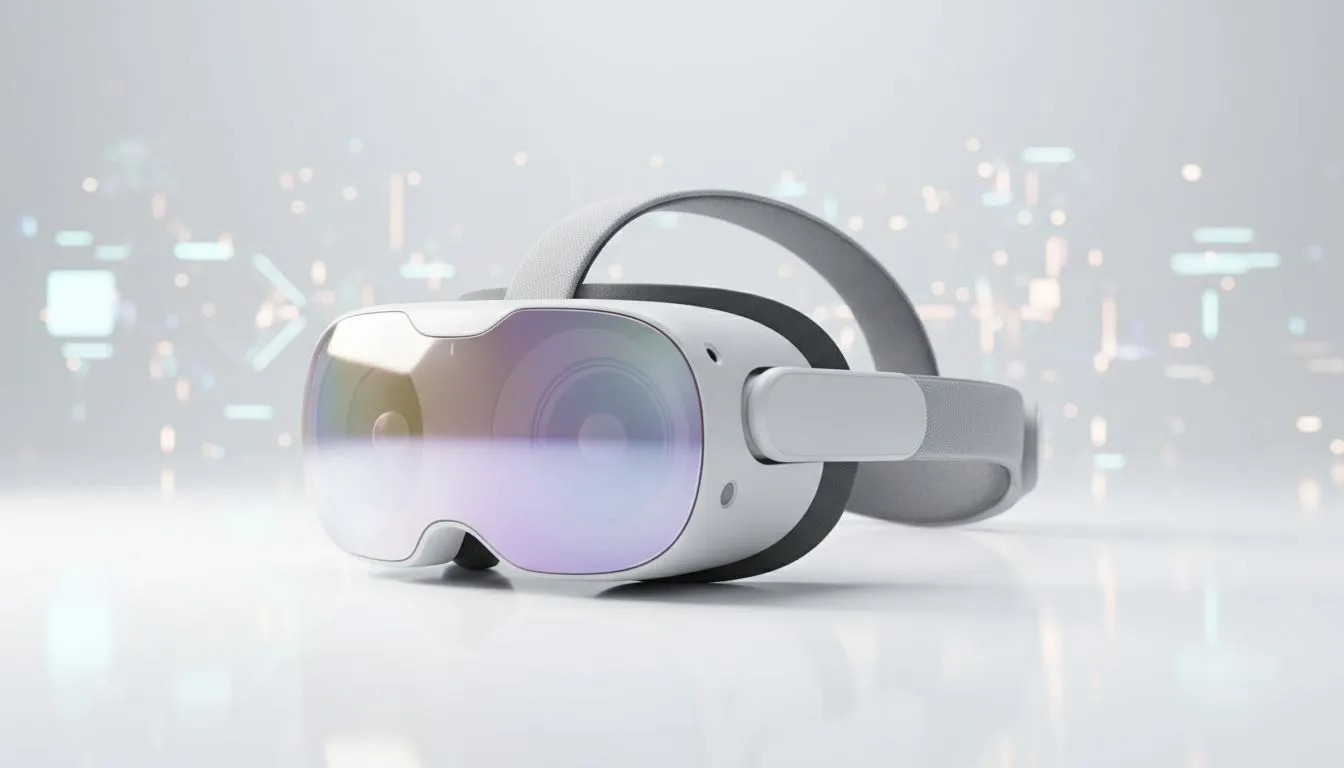
Ever felt like your laptop screen is just too small for your big ideas? You are not alone. Spatial computing is changing how we interact with technology... it is like having a digital world layered right over your living room in Jozi or Cape Town. Forget bulky headsets... we are talking about seamless integration that makes life easier for everyone, not just the tech geeks. 🚀
Understanding the Magic of Spatial Computing
At its heart, spatial computing is about moving digital information out of a 2D box and into our 3D world. Instead of staring down at a phone, the information exists around you. One of the most significant spatial computing benefits is the natural way it fits into your daily routine. You can pin a recipe to your kitchen wall while cooking or keep a weather widget floating near your front door. It feels less like using a computer and more like enhancing your actual reality.
If you are curious about how this looks in practice, you can search for AR glasses to see the latest designs. These devices are becoming as lightweight as standard spectacles, making them comfortable for all-day use.
Boosting Your Daily Productivity
Imagine having an infinite canvas for your work. You no longer need three physical monitors to stay organised. With spatial tech, you can open dozens of windows and spread them across your physical room. One of the key spatial computing benefits for professionals is the reduction of "tab fatigue"... that feeling of being lost in a sea of open browser windows.
Spatial Workspace Tip ⚡
When setting up your virtual monitors, place your primary task directly in front of you at eye level. Position secondary apps like email or music to your periphery. This reduces neck strain and keeps you focused on the work that actually matters... it is the ultimate way to optimise your workflow.
For those ready to upgrade their home office, checking out the latest range of AR glasses is a great first step. These devices allow you to maintain eye contact with people around you while still seeing your digital notes. It is the perfect balance for the modern remote worker in South Africa.
Entertainment Without Boundaries
Watching movies or playing games takes on a whole new dimension. You are no longer restricted by the size of your television. Spatial computing allows you to scale a virtual screen to the size of a cinema wall. Whether you are watching the rugby or a Hollywood blockbuster, the immersion is unparalleled. This tech brings the "big screen" experience to the smallest of flats in Sandton or Sea Point without taking up any floor space. ✨
Making the Tech Work for You
You do not need to be a software engineer to enjoy these perks. Modern interfaces use simple hand gestures and eye movements. It is intuitive. If you can point at something, you can use spatial computing. While some high-end kits can be pricey, there are many accessible options available today.
When looking for premium spatial hardware, you will find that the investment pays off in both comfort and clarity. These units often feature higher refresh rates and better colour accuracy, which is vital for reducing eye strain during long sessions. 🔧
Ready to Step Into the Future? Spatial computing is no longer a sci-fi dream... it is a reality you can experience today. Explore our massive range of AR glasses and find the perfect gear to transform your digital lifestyle in South Africa.











