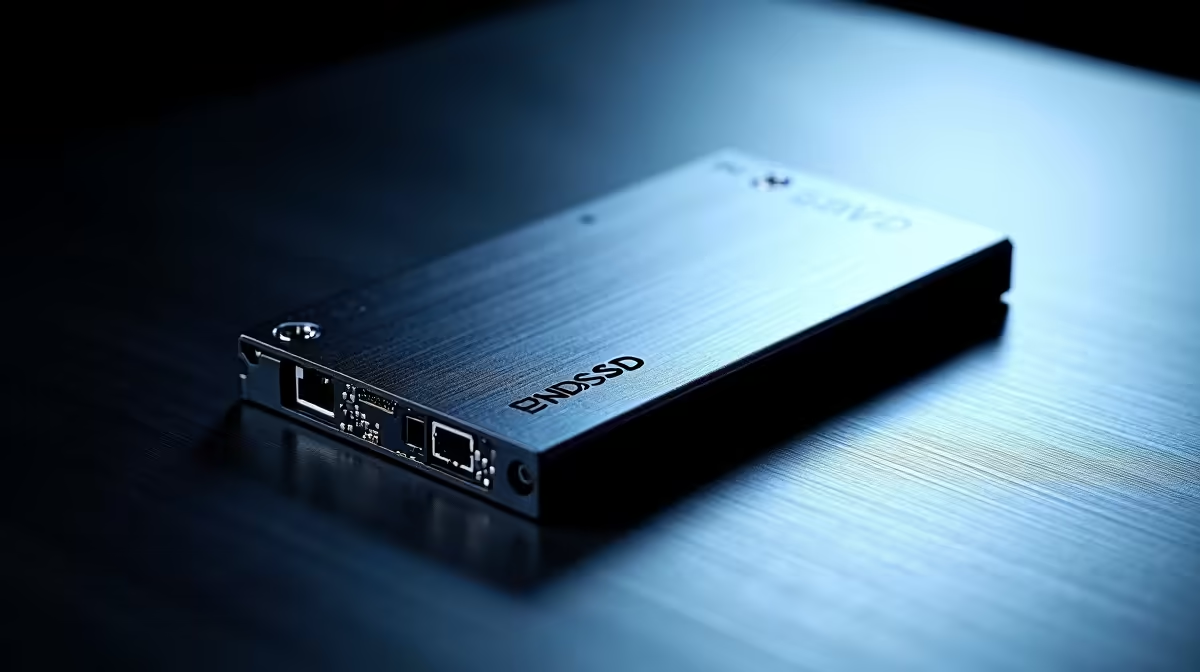
Ever stared at a progress bar, rendering a massive 4K video or caching a complex 3D scene, and felt a tiny pang of anxiety? You're not just writing data; you're putting your SSD through its paces. For South African creative professionals and hardcore gamers, your drive isn't just storage… it's the heart of your workflow. But how much punishment can it actually take before it gives up? That’s where understanding SSD TBW becomes essential.
Demystifying SSD TBW: Your Drive's Endurance Rating
So, what on earth is TBW? It stands for Terabytes Written, and it's the simplest way to understand an SSD's endurance. Think of it like the odometer on a car. It’s a manufacturer's warranty rating that tells you the total amount of data you can write to the drive over its lifetime before its memory cells might start to become unreliable.
Every time you save a file, install a game, or render a video, you're writing data and causing a tiny amount of wear on the SSD's NAND flash cells. A drive with a 300 TBW rating is warrantied to handle 300 terabytes of data being written to it. For most people, that's a colossal amount of data you'll likely never reach. To put it in perspective, you'd have to write over 160GB every single day for five years to hit that number. You can check out our latest best SSD deals to see the specs for yourself.
When Does a High TBW Rating Truly Matter?
While the average user might never worry about this, for professionals, SSD TBW explained is more than just a spec—it's about reliability and peace of mind. Your workload determines whether a standard drive is sufficient or if you need one of the high endurance drives built for punishment. 🚀
The Professional vs. The Casual User
- Content Creators & Data Scientists: Are you editing 8K video, running virtual machines, or processing huge datasets? Your workflow is incredibly write-intensive. Constantly creating and deleting massive temporary files, cache, and final renders puts immense strain on a drive. For you, a high endurance SSD with a TBW of 600, 1200, or even higher isn't overkill; it's a necessary investment in your career. For professionals, investing in one of our high-endurance NVMe SSDs is not a luxury... it's insurance.
- Hardcore Gamers & Streamers: While installing a 150GB game is a big write operation, gaming itself is mostly read-intensive. Your PC is reading game assets, not constantly writing them. A standard consumer SSD is typically more than enough. The exception is if you're also streaming and recording hours of high-bitrate gameplay daily.
- The Everyday User: If your PC is for browsing, emails, and light office work, TBW is the last thing you need to worry about. Any modern drive will serve you well for years to come. Even for portable workflows, a robust external SSD with a decent endurance rating is a smart choice for backups.
Check Your Drive's Health 🔧
You don't have to guess how much life your SSD has left. Free tools like CrystalDiskInfo (for Windows) can show you your drive's health status and, most importantly, the "Total Host Writes" or a similar metric. This tells you exactly how much data you've written, letting you compare it to your drive's official TBW rating.
Reading the Specs: How to Choose Your Drive
Finding the right balance between cost, speed, and endurance is key. When you're browsing for a new drive, the TBW rating is usually listed right alongside the capacity and read/write speeds. A higher number almost always means the drive uses more durable (and often more expensive) NAND flash technology.
Don't just buy the highest number you can find. Instead, realistically assess your needs. If you're a video editor writing 200GB of data per day, five days a week, that’s about 52TB per year. A drive with a 300 TBW rating would be cutting it fine over a 5-year lifespan, whereas a 600 TBW drive gives you plenty of headroom. When browsing our full range of SSDs, keep an eye on this number to match the drive to your work. Whether you're building a new rig or just upgrading, our complete collection of solid-state drives has options for every workload and budget.
Understanding SSD TBW empowers you to make a smarter purchase, ensuring your storage can keep up with your ambition. ✨
Ready to Upgrade Your Storage?
Now that you know how to choose a drive that won't let you down, you can invest with confidence. From lightning-fast NVMe drives for pro workloads to budget-friendly SATA SSDs for a massive speed boost, we've got you covered. Explore our massive range of SSDs and find the perfect drive for your PC.