Quick Answer
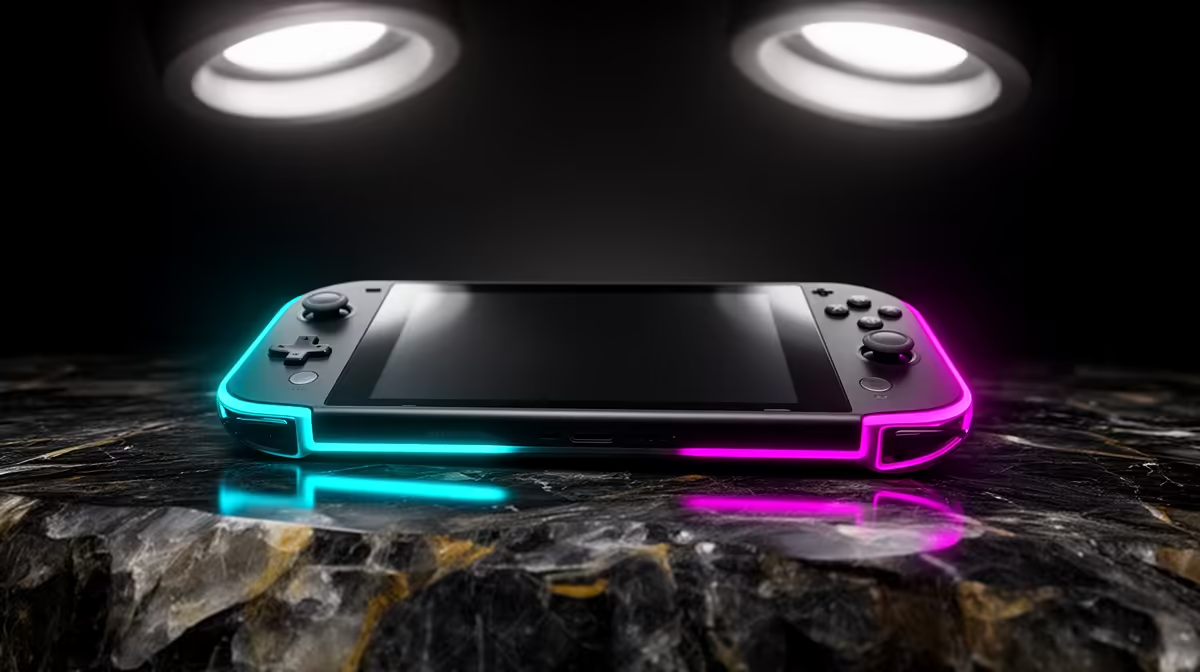
The Steam Deck OLED is best for players who want a polished Steam-first handheld with excellent battery behaviour and a better screen than the original LCD model. The practical models to compare are the 512 GB and 1 TB OLED versions, with cautious local bands around R16,000-R24,000 depending on stock. Expect many games to feel best at 40-60 fps rather than chasing desktop-level ultra settings. For Pretoria East, check layout and delivery before ordering.
What To Prioritise
Check your Steam library before buying: verified and playable labels matter more than raw specs. Indie games, older AAA titles, emulation-friendly setups, and controller-first games suit the Deck very well. Once the model fit is clear, choose delivery or pickup by box size, setup urgency, and support convenience.
Local Fit For Pretoria East
Pretoria East homes often mix fibre, home offices, estates, and larger rooms, so placement and delivery timing should be planned before checkout. SA buyers should check warranty route, charger compatibility, and whether their Steam library is verified before treating it as a travel console. Use R16,000-R24,000 as a planning anchor, then confirm current Evetech stock before deciding. Reference models include Steam Deck OLED 512 GB and 1 TB models.
Specs That Change The Result
The 7.4-inch OLED panel, 90 Hz refresh, and improved efficiency make the device feel cleaner in motion and better for travel. Many games benefit from a 40 Hz or 45 fps cap because it balances smoothness with battery life. The spec anchors to check are 7.4-inch OLED display, 90 Hz refresh, and 512 GB or 1 TB storage; those numbers affect daily feel, not only the brochure. For delivery or collection, confirm charger, plug fit, warranty support, and accessories before leaving the box behind.
FAQ
What is the safest budget range for this category?
Use R16,000-R24,000 as a cautious planning range, then confirm live stock and final price at checkout.
Which spec should I check first?
Start with 7.4-inch OLED display, 90 Hz refresh, and 512 GB or 1 TB storage because those numbers change the day-to-day result.
What storage size should I choose?
Choose 512 GB as the minimum comfortable option and 1 TB if you keep large AAA games installed. MicroSD expansion helps, but internal storage is cleaner for frequent play.
Practical Check
Set demanding games to 40 Hz or a 45 fps cap first; it usually gives a better handheld balance than chasing maximum frame rate.