

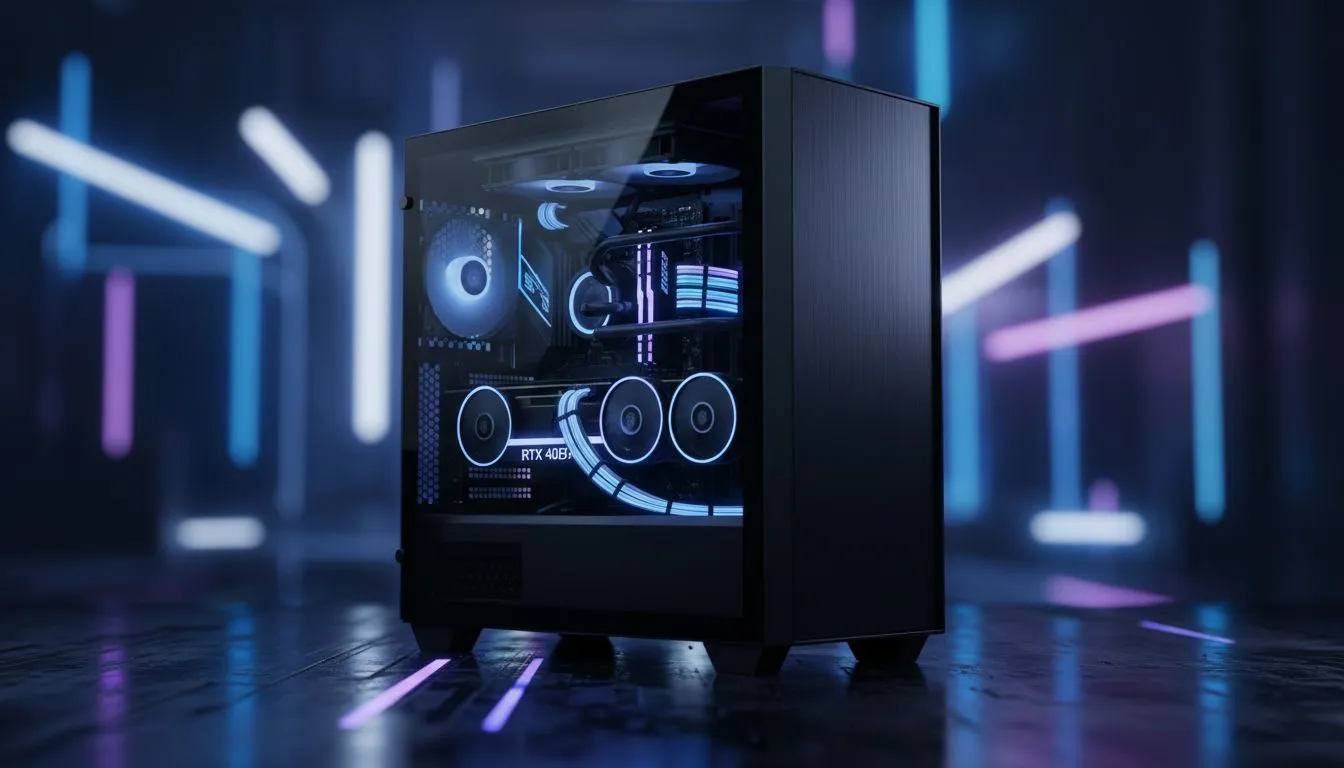
You’ve spent weeks picking the perfect parts. The GPU is a beast, the CPU cooler has that lekker RGB glow, and your cable management is immaculate. But what’s the point if it’s all hidden inside a boring metal box? This is where tempered glass side panels enter the chat, turning your powerful rig into a centerpiece. But beyond the flashy looks, are tempered glass side panels actually a good choice for your South African gaming setup? Let's dive in.
The Allure: Why We Love Glass PC Cases
The primary reason gamers flock to cases with tempered glass side panels is simple: aesthetics. It’s about showcasing the heart of your machine and the effort you put into building it.
✨ Unbeatable Visuals
There's nothing quite like seeing your high-end components in action. A glass panel puts your graphics card, colourful RAM, and mesmerising AIO pump on full display. It transforms your PC from a purely functional tool into a piece of personalised art. For anyone who has invested in RGB lighting, a tempered glass PC case isn't just an option; it's essential to get the full effect.
🔧 Build Pride and Easy Inspection
You built it, so why not show it off? A transparent panel is a badge of honour. It also serves a practical purpose. A quick glance is all it takes to check if all your fans are spinning, spot any dust buildup that needs attention, or just admire your handiwork. This visual access makes quick diagnostics much easier than having to unscrew a solid metal panel every time.
The Cracks: Potential Downsides to Consider
While they look incredible, tempered glass side panels aren't without their drawbacks. It's crucial to weigh the pros and cons before committing.
💥 The Fragility Factor
This is the big one. Tempered glass is strong, but it's not invincible. An accidental drop onto a hard surface like tiles can result in a spiderweb of cracks... or a complete shatter. This is a real risk, especially if you frequently move your PC for LAN parties or cleaning. Handling these panels requires a bit more care than their steel or aluminium counterparts.
Cable Management is Key ⚡
With a tempered glass side panel, there's nowhere to hide messy cables. Plan your cable routing before you start building. Use the case's built-in channels and tie-down points. Good cable management not only looks professional but also improves airflow, helping your components stay cool under pressure.
🤔 Airflow and Thermals… A Hot Topic
A solid sheet of glass doesn't breathe. Early designs for the glass PC case sometimes sacrificed airflow for looks, leading to higher internal temperatures. Thankfully, modern designs have become much smarter. Many of the best computer cases now feature hybrid designs with mesh fronts and top panels, ensuring your components get the fresh air they need to perform optimally.
Making the Right Choice for Your Mzansi Rig
So, are tempered glass side panels worth it? The answer depends entirely on your priorities.
If you value aesthetics, take pride in your component selection, and are reasonably careful with your hardware, then absolutely. The visual payoff is immense.
However, if you prioritise maximum durability and portability, or if you prefer a more understated, minimalist look, a traditional solid-panel case might be a better fit. The good news is that you don't have to choose between just looks or performance anymore. Top-tier brands like Fractal Design have perfected the art of creating cases that offer both stunning glass panels and exceptional thermal performance.
Even better, a premium look is no longer reserved for premium budgets. You can find a huge variety of stylish and affordable Gamdias gaming cases that deliver that sought-after glass aesthetic. In fact, there are fantastic Gamdias options under R1500, proving that a showpiece rig is within anyone's reach.
Ready to Showcase Your Build? Whether you want a crystal-clear view of your components or a fortress of steel, the perfect case is waiting for you. Explore our massive range of PC cases and find the ideal foundation for your ultimate Mzansi gaming rig.











