


EA FC 26 Max Settings on RTX 5090: Complete Guide
EA FC 26 Max Settings on RTX 5090. Tested & verified settings for best FPS and visual quality on SA hardware budgets.
Read moreDiscover the ultimate future-ready port for modern devices ↑ Boost speed & connectivity with USB-C vs Thunderbolt 4 showdown 🚀
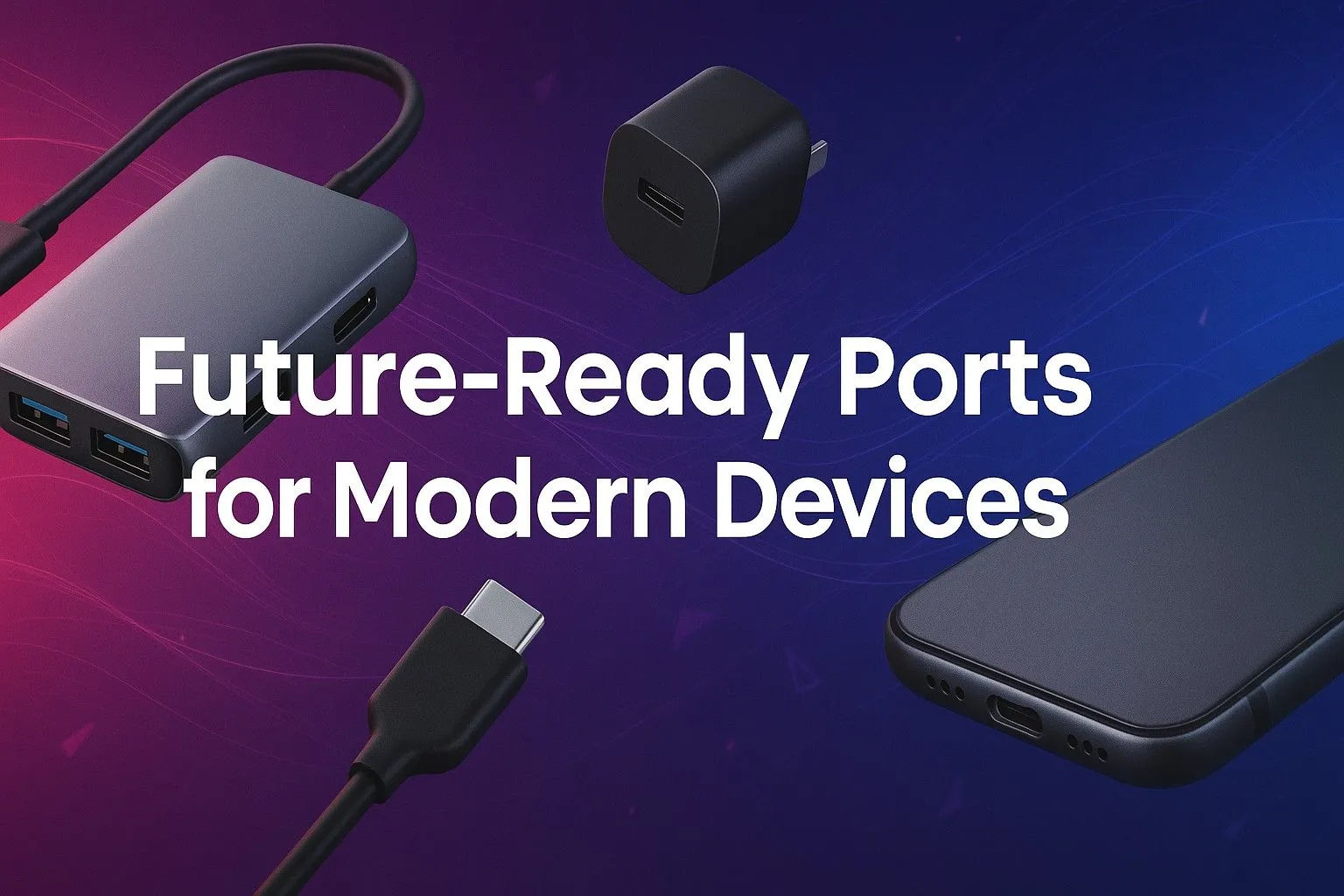
You’ve just unboxed your shiny new motherboard or gaming laptop. You spot that familiar, small oval port and think, “Sweet, USB-C.” But hold on… is it just USB-C, or is it the legendary Thunderbolt 4? They use the same connector, but the difference in performance can be massive. For South African gamers and creators, picking the right one is crucial for a future-ready rig. Let's settle the USB-C vs Thunderbolt 4 debate once and for all. ⚡
Before we dive deep, let's clear up the biggest point of confusion. USB-C is a connector shape—the physical, reversible plug you can't insert upside down. Thunderbolt 4, on the other hand, is a technology protocol or standard that dictates what that port can do.
Think of it like this: the USB-C port is the shape of the road, while the protocol (like Thunderbolt 4 or basic USB 3.2) is the speed limit and the type of vehicles allowed on it.
USB Type-C is the industry-standard connector designed to replace a whole mess of older USB ports. Its biggest win is convenience. But its capabilities can vary wildly. A USB-C port could be a slow USB 2.0 in disguise (480Mbps) or a zippy USB 3.2 Gen 2x2 (20Gbps). It might support video out and high-wattage charging, but it’s not guaranteed.
This variability is its biggest weakness. You never quite know what you're getting unless you check the specs.
Developed by Intel, Thunderbolt 4 is the VIP version of the USB-C port. It enforces a strict, high-performance set of minimum requirements. If a port has the little lightning bolt symbol (⚡) next to it, you know it’s a powerhouse. It guarantees top-tier performance for data, video, and power, making the USB-C vs Thunderbolt 4 comparison a critical one for power users.
Let's break down the practical differences that matter to you as a gamer, creator, or tech enthusiast in South Africa.
This is where the difference between USB-C and Thunderbolt 4 becomes crystal clear.
Building a lekker multi-monitor setup? Pay close attention.
Not sure if your USB-C port is Thunderbolt? Look for a small lightning bolt icon printed right next to the port. No bolt? It's likely a standard USB-C port. This simple check can save you a lot of headaches when buying docks or displays.
Keeping your devices juiced up is essential, especially with load shedding always looming. Both standards handle charging, but again, with key differences.
Whether you're charging a phone or a laptop, having a good power source is key. For simple top-ups on the go, a reliable Promate power bank is a fantastic companion. If you just need to keep your phone alive during an outage, a budget-friendly power bank under R500 will do the trick.
So, who wins the Thunderbolt 4 vs USB-C battle? It depends entirely on you.
For those high-demand devices, you'll need a power bank with more oomph; check out these powerful options in the R500 to R1200 price range to keep even your laptop going.
Ultimately, the key takeaway is this: all Thunderbolt 4 ports are USB-C ports, but not all USB-C ports are Thunderbolt 4. Now you know which one to look for on your next upgrade.
Power Up Your Future-Ready Rig Whether you're running USB-C or the mighty Thunderbolt 4, keeping your gear charged is non-negotiable. Explore our full range of power banks at Evetech and never let a dead battery interrupt your grind.
Thunderbolt 4 supports dual 4K displays. Perfect for multi-monitor setups.
Yes! Thunderbolt 4 USB-C delivers 100W+ charging for most laptops.
Yes. Thunderbolt 4 hits 40Gbps vs USB-C's max 20Gbps (USB 3.2 Gen 2).
USB-C dominates mobile. Few TVs & desktops use Thunderbolt tech.
Ultimate versatility: 40Gbps speed, 100W power delivery, PCIe storage support.
Not quite. Thunderbolt is technically advanced despite same connectors.
Both last equally. Thunderbolt 4 ensures backward compatibility with USB-C.
EA FC 26 Max Settings on RTX 5090. Tested & verified settings for best FPS and visual quality on SA hardware budgets.
Read more
RX 7800 XT The Witcher 4 Low Settings at 1440p. Real-world benchmark data, FPS numbers & performance analysis. What SA gamers can actually expect.
RTX 5070 GTA 6 High Settings at 1440p: FPS Results. Real-world benchmark data, FPS numbers & performance analysis. What SA gamers can actually expect.
Does RTX 5070 Run Hot in South African Climate Detailed answer with SA data, expert analysis & practical recommendations for local buyers.
How Long Will the RX 7900 XTX Last for Gaming Detailed answer with SA data, expert analysis & practical recommendations for local buyers.

Every spec on PCIe 5.0 explained in plain English. What matters for gaming and creator work in 2026, what's marketing fluff, and how each number translates to real-world performance.
Every spec on bios explained in plain English. What matters for gaming and creator work in 2026, what's marketing fluff, and how each number translates to real-world performance.

Every spec on gaming setups explained in plain English. What matters for gaming and creator work in 2026, what's marketing fluff, and how each number translates to real-world performance.
Every spec on cooling systems explained in plain English. What matters for gaming and creator work in 2026, what's marketing fluff, and how each number translates to real-world performance.
Every spec on 10tb enough storage explained in plain English. What matters for gaming and creator work in 2026, what's marketing fluff, and how each number translates to real-world performance.
External HDD vs External SSD: real-world performance, SA pricing, power draw and which one delivers better value for your build. The clear answer — without the fluff.

What to prioritise when shopping for external hard drive in South Africa: the specs that matter, Rand value tiers, and the trade-offs between budget and flagship picks in 2026.
Desktop External HDDs vs Portable Drives: real-world performance, SA pricing, power draw and which one delivers better value for your build. The clear answer — without the fluff.