

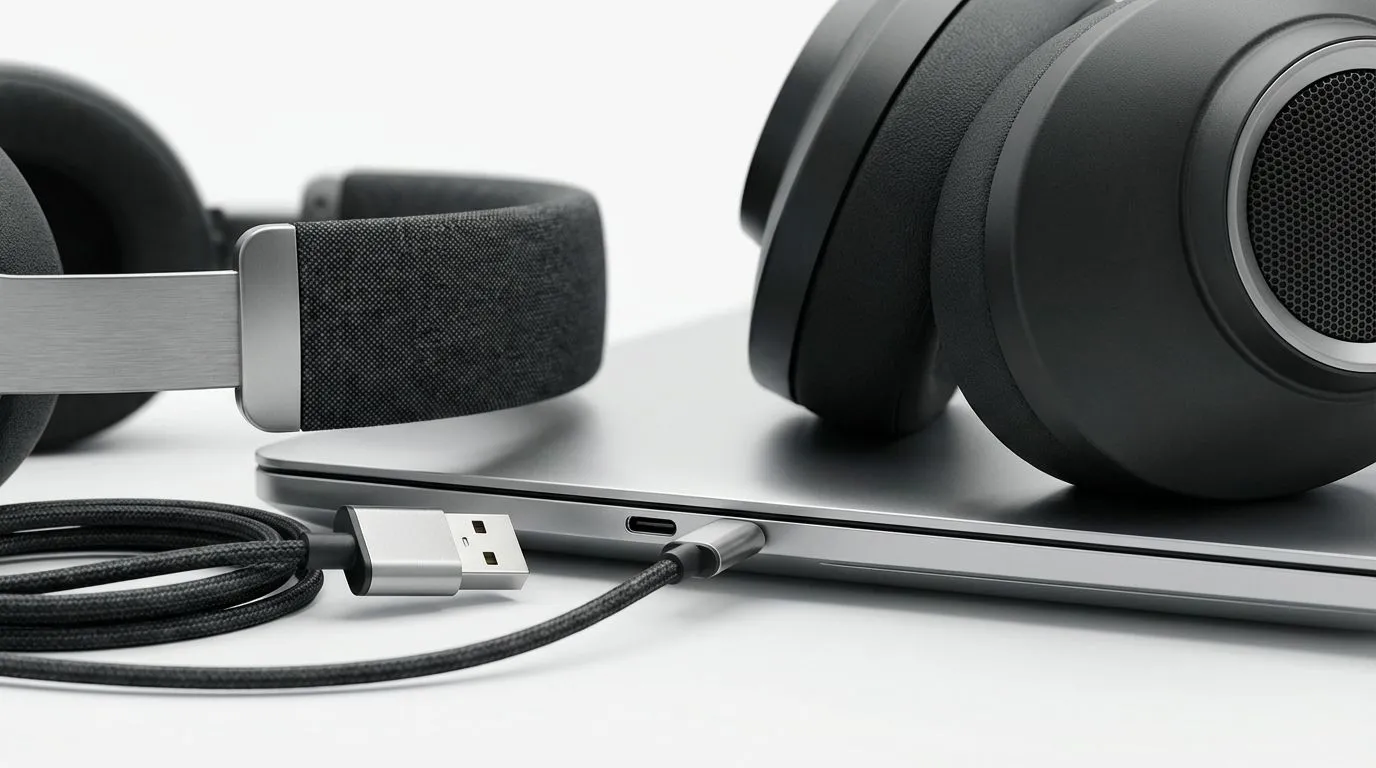
The Great Port Shift: Why Your Choice Matters
Think back to 2020. Most of us still had plenty of chunky USB-A ports on our rigs. Fast forward to 2026... modern laptops have shed the bulk for sleek USB-C. If you are shopping for a new rig in South Africa, your choice of audio gear matters more than ever. Does your headset match your ports, or are you stuck in dongle hell? ⚡
The Death of the Rectangular Port
For decades, USB-A was the king of connectivity. It was sturdy... reliable... and always required three tries to plug in correctly. But as laptops become thinner and more powerful, that chunky port has run out of space. Most modern machines now prioritise USB-C or Thunderbolt 5 for everything from charging to high-fidelity audio.
If you are still rocking an older peripheral, you might find yourself carrying a bag full of adapters. That is why many local gamers are eyeing the Razer Barracuda X Chroma Wireless Headset in Phantom White as the ultimate solution. It offers native USB-C connectivity that works seamlessly with laptops, phones, and even the latest consoles.
USB-C vs USB-A Headset: Performance and Power
Beyond the physical shape, the technology inside matters. USB-C can carry more power and data simultaneously. This allows for advanced features like integrated RGB lighting and high-resolution DACs without needing extra cables. 🔧
Audio Latency Tip ⚡
When using a wireless headset, always opt for the 2.4GHz USB-C dongle over standard Bluetooth. It significantly reduces audio lag in competitive shooters like Valorant or Counter-Strike 2, ensuring you hear footsteps the exact millisecond they happen.
When browsing the latest Razer headphones and headsets, you will notice a clear trend. The industry is moving toward universal connectivity. A USB-C headset does not just live at your desk. It plugs into your smartphone or tablet just as easily as your laptop.
Is USB-A Still Relevant in 2026?
There is still a place for the classic port. Desktop PCs usually have plenty of them on the back I/O panel. If you do not plan on moving your setup, a USB-A connection is perfectly fine. However, for the mobile gamer in South Africa, it is becoming a legacy burden. 🚀
If you are unsure which direction to go, exploring the full range of headphone and headsets at Evetech will show you just how much the market has shifted. Most premium brands now include a USB-C to USB-A adapter in the box... giving you the best of both worlds while you transition your gear.
Final Verdict for South African Tech Buyers
In 2026, the winner of the USB-C vs USB-A headset debate for laptop users is clearly USB-C. It is smaller... faster... and far more versatile for a lifestyle that moves between the office, the coffee shop, and the gaming den. ✨
Ready to Find Your Perfect Match? The shift to USB-C is inevitable, but your transition does not have to be difficult. For maximum audio quality and future-proof connectivity in South Africa, upgrading your headset is the smartest move you can make. Explore our massive range of headset specials and find the perfect gear to conquer your world.











