

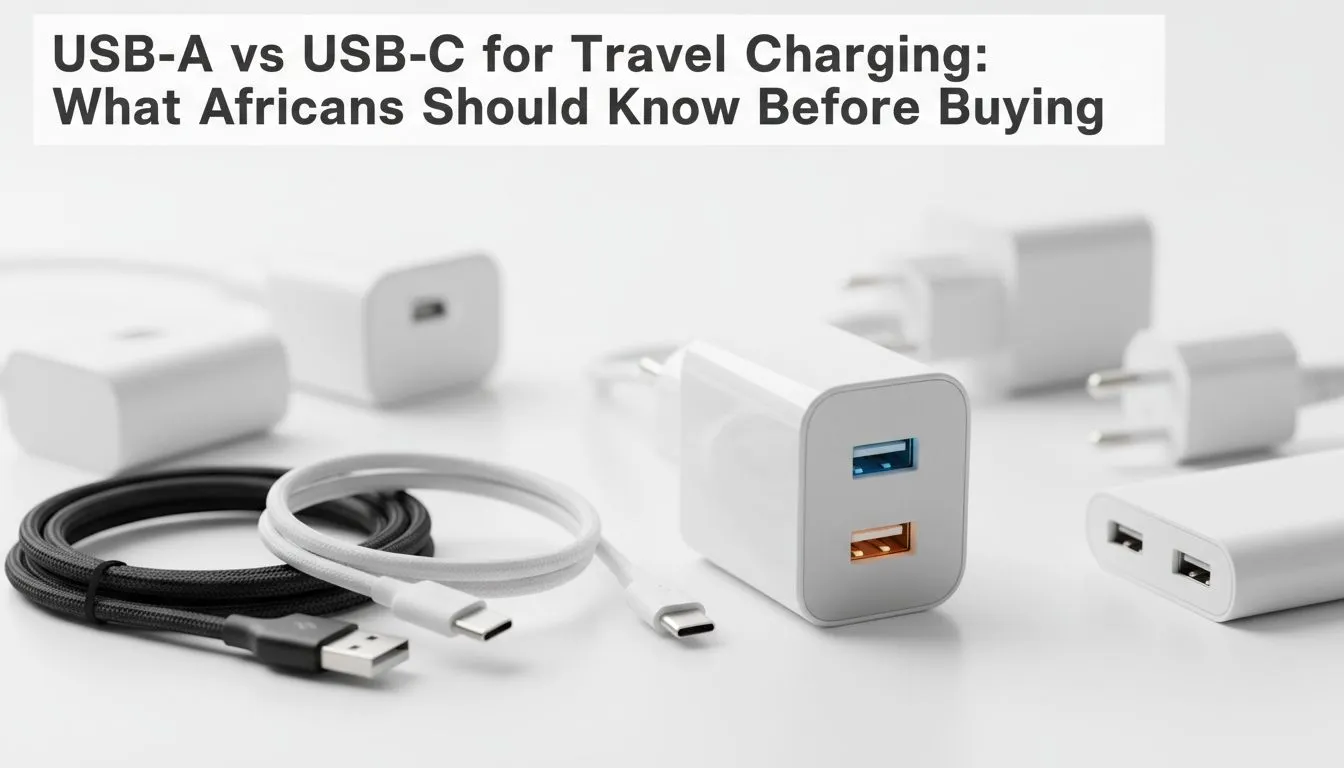
Heading down the coast for a long weekend only to realise your phone is at 5% is a classic South African tragedy. Whether you are navigating via Google Maps or keeping the kids entertained, your charging setup matters. This USB-C vs USB-A travel charging: South African buyer guide helps you choose the right gear to keep your devices powered across the Karoo or through the next bout of load shedding. ⚡
The Evolution of the USB-C vs USB-A Travel Charging Standard
For years, the rectangular USB-A port was the king of the road. It was reliable and found in every rental car from Cape Town to Musina. However, as our smartphones and tablets have become more power-hungry, the older standard is struggling to keep up. When looking at a USB-C vs USB-A travel charging setup, the main difference lies in power delivery. USB-A typically tops out at 12W or 18W... whereas USB-C can easily push 60W or even 100W for laptops.
If you are looking to upgrade your vehicle's capabilities, you can find a massive range of car tech at Evetech that bridges the gap between these two standards.
Why USB-C is Winning the Race for South African Travellers
USB-C is not just about the reversible plug... though that certainly helps when you are trying to plug in a cable in the dark during a power cut. The real benefit is the Power Delivery (PD) protocol. This allows one single cable to charge your phone, your headphones, and even a gaming laptop. Brands like Promate travel accessories have embraced this, offering multi-port hubs that ensure no one in the car is left with a dead battery.
Power Delivery Pro Tip ⚡
Always check the wattage of your USB-C port. A 20W port is great for an iPhone, but if you want to charge a MacBook or a high-end gaming laptop while on the move, you should look for a charger that offers at least 65W PD. This ensures your device actually gains charge rather than just slowing down the battery drain.
Balancing Your Budget: High-End vs Affordable Options
You do not need to spend a fortune to stay connected. For those on a strict budget, there are many affordable options under R500 that provide reliable USB-A charging for older devices or basic smartphones. These are perfect for keeping in the glovebox as a backup.
However, if you are a power user who carries a tablet and a flagship phone, investing in premium charging solutions under R2000 is a smarter long-term move. These units often feature gallium nitride (GaN) technology... which keeps the charger cool and compact even when it is pumping out serious power to multiple devices simultaneously. 🚀
Final Verdict: Which One Do You Need?
In the debate of USB-C vs USB-A travel charging, the answer is usually "both." Most modern South African households still have a mix of old and new cables. Choosing a charger that features at least one of each port ensures you are prepared for any situation... whether you are charging a legacy GPS unit or the latest Type-C smartphone. 🔧
Ready to Find Your Perfect Match? The USB-C vs USB-A debate is simple: USB-C is the future, but USB-A is still everywhere. For the best of both worlds and the fastest charging speeds in South Africa, we have you covered. Explore our massive range of car tech specials and find the perfect charger to keep your journey powered.











