

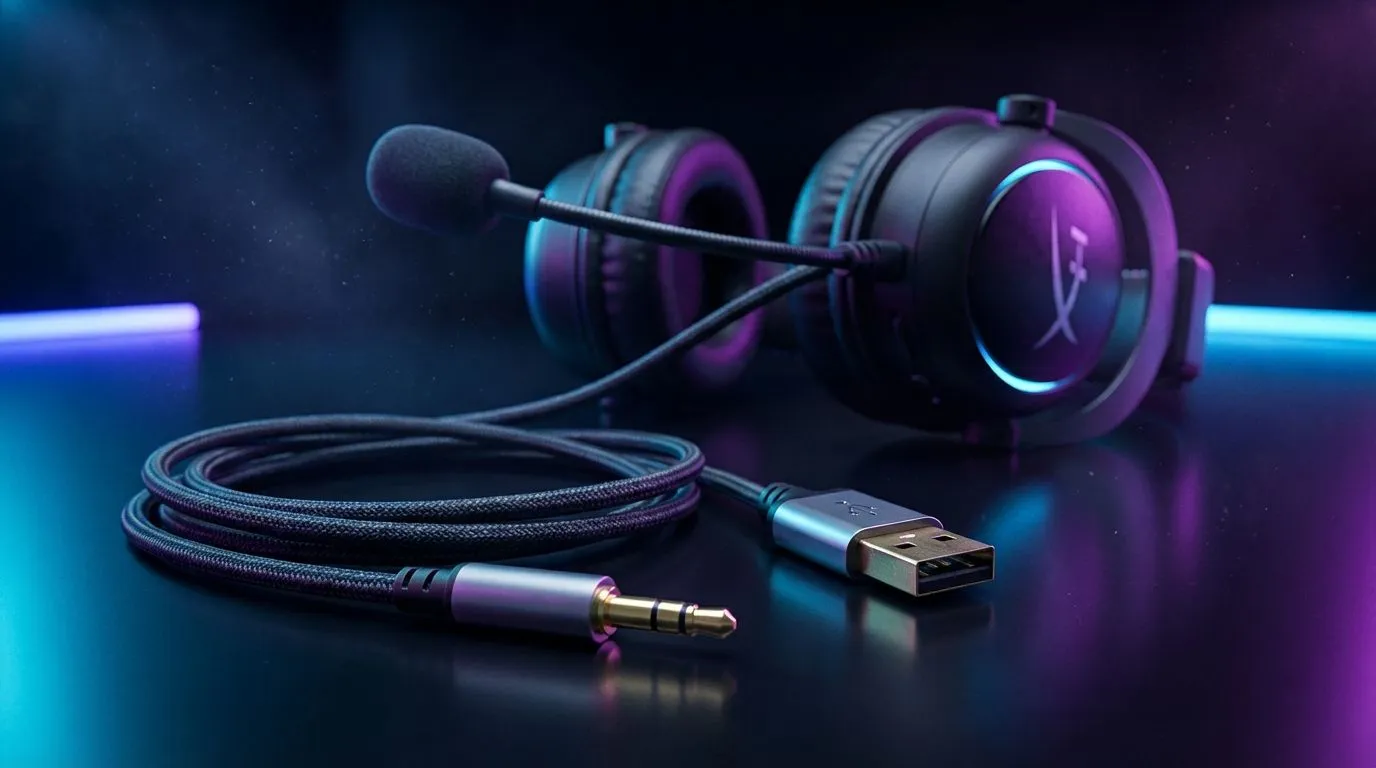
You are staring at two boxes at Evetech. One has a classic 3.5mm jack... the other a sleek USB plug. In the heat of a Modern Warfare III match, does it actually matter? Choosing between a USB vs 3.5mm gaming headset isn't just about the connector... it's about who controls your audio processing. Let's settle the debate for South African gamers looking for the best performance. 🚀
The Analog Classic: Why 3.5mm Still Rules
The 3.5mm jack is the veteran of the audio world. It sends an analog signal directly from your device to your ears. This means it relies entirely on your computer's onboard sound card. If you have a high-end motherboard with shielded audio capacitors, a 3.5mm connection can sound incredibly clean.
One of the biggest perks is universal compatibility. You can plug these into your PC, your PlayStation controller, or even an older smartphone. If you want a versatile setup, you might browse the massive selection of headphone headsets that still utilise this reliable standard. There are no drivers to install and no software conflicts to worry about... it just works.
The Digital Edge: What USB Brings to the Table
USB headsets are different because they act as their own sound cards. They bypass your motherboard's internal audio hardware entirely. This is a massive advantage if you are gaming on a budget laptop where the onboard audio might be noisy or prone to interference. ⚡
Because the signal remains digital until it reaches the headset, manufacturers can add features like RGB lighting and virtual 7.1 surround sound. For example, the Razer Barracuda X Chroma Wireless Headset Phantom White uses digital processing to deliver a precise soundstage. This helps you pinpoint footsteps in competitive shooters. You also get access to software suites to customise your EQ profiles and microphone settings.
Audio Quality Pro Tip ⚡
If you hear a faint buzzing or static in your 3.5mm headset, it is likely electromagnetic interference from your PC components. Switching to a USB headset or using an external USB DAC can instantly eliminate this noise by moving the digital-to-analog conversion outside of the PC case.
USB vs 3.5mm Gaming Headset: The Verdict on Sound Quality
So, which sounds better? If you own a premium dedicated sound card, a 3.5mm headset often provides a more "pure" audio experience. However, for most South African gamers, a USB connection is the safer bet. It offers consistent sound quality regardless of which device you plug it into. ✨
USB headsets also tend to have better microphone noise cancellation. The digital processing can filter out your mechanical keyboard clicks or the hum of a desk fan more effectively than a standard analog input. If you are looking for top-tier digital integration, checking out the latest Razer headphones and headsets is a great place to start your search. 🔧
Ultimately, the best choice depends on your current hardware. If your motherboard is basic, go USB. If you’ve invested in high-end audio gear, stick with the 3.5mm jack.
Ready to Find Your Perfect Match? Whether you prefer the plug-and-play simplicity of 3.5mm or the advanced features of USB, we have the gear to level up your game. Explore our massive range of gaming headsets and find the perfect fit for your setup today.











