

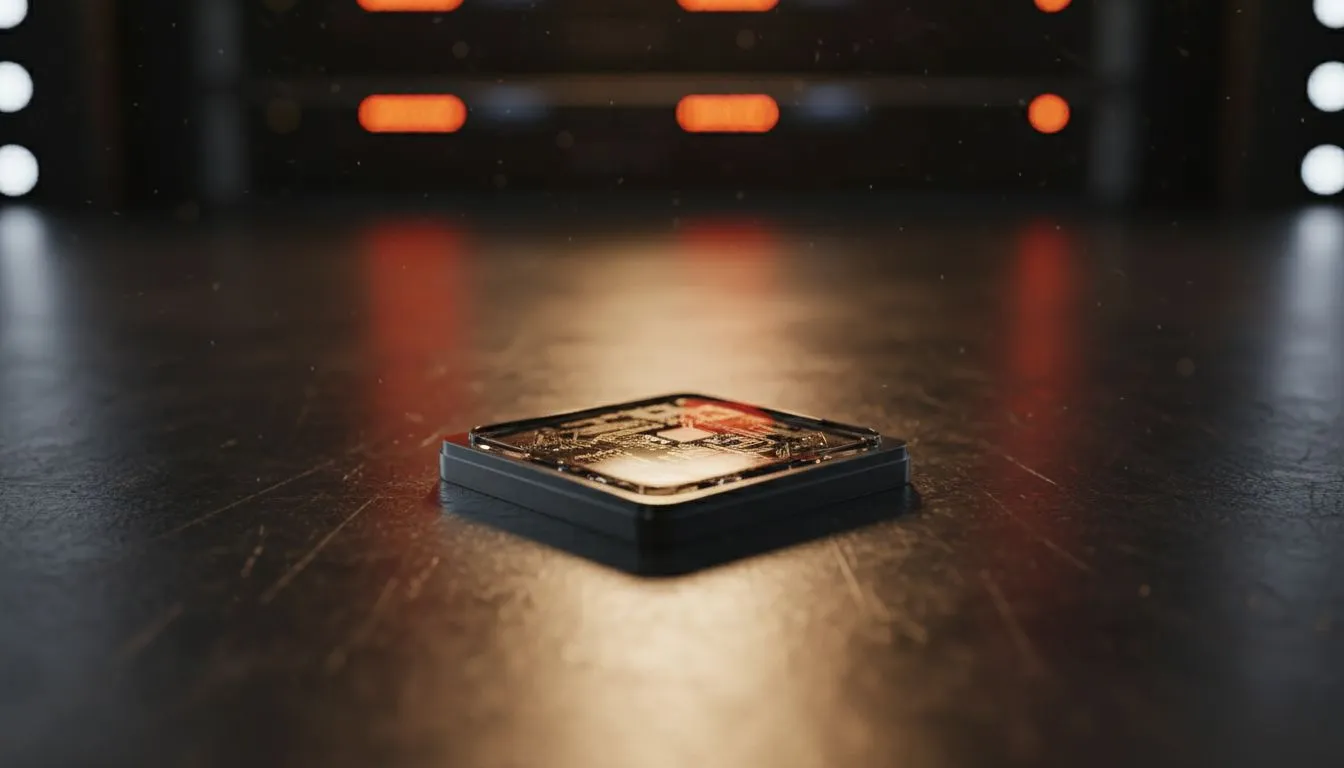
The Silicon Revolution: XREAL X1 Chip Deep Dive into AR Performance
South African gamers often face a tough choice... portability or raw power. The XREAL X1 chip aims to bridge that gap by bringing high-end spatial computing to a wearable form factor. Whether you are dodging load shedding with a handheld console or working in a virtual office at a local coffee shop, this silicon is the engine. Our XREAL X1 Chip: Deep Dive into AR Performance explores how this tech handles the heavy lifting. 🚀
The Architecture of the XREAL X1 Chip
At its core, the X1 chip is designed to solve the biggest hurdle in augmented reality... latency. Traditional mobile processors often struggle with the simultaneous tasks of rendering 3D environments and tracking head movement. The X1 chip offloads these specific calculations. This results in a "locked-in" feel where virtual screens stay perfectly still as you move your head.
When browsing the latest ar glasses, the presence of dedicated silicon like the X1 is what separates a gimmick from a professional tool. It ensures that the 120Hz refresh rates remain stable, preventing the motion sickness often associated with lower-tier hardware.
Optimising Your AR Experience ⚡
To get the most out of your X1-powered hardware, ensure your source device supports DisplayPort Alt Mode over USB-C. For South African users on the go, pairing these glasses with a high-capacity power bank ensures your virtual 330-inch screen doesn't go dark during a power outage.
Real-World Performance and Visual Fidelity
Visual clarity is non-negotiable for South African tech enthusiasts. The X1 chip supports high-definition rendering that makes text crisp enough for coding or document editing. If you are currently searching for ar glasses to replace a multi-monitor setup, the X1’s ability to process spatial data locally is a massive advantage. It reduces the heat generated by your smartphone or laptop... extending your battery life significantly.
The chip also handles "3DoF" (Three Degrees of Freedom) tracking with incredible precision. This means your virtual display stays anchored in space even if you are travelling in a car or a plane. The processing power required for this level of stability is immense, yet the X1 manages it while keeping the glasses lightweight and stylish. ✨
Why the X1 Chip Matters for Local Gamers
Gaming in South Africa requires gear that is versatile. The X1 chip allows for seamless integration with consoles like the Steam Deck, ROG Ally, and even the PlayStation 5. By handling the spatial orientation and image scaling, the X1 ensures that the image quality remains top-tier regardless of the input source.
For those looking at premium ar glasses in the higher price brackets, the investment is justified by the future-proofing the X1 provides. It isn't just about today's apps... it is about the spatial computing ecosystem that is growing every day. 🔧
Final Thoughts on AR Evolution
The XREAL X1 chip represents a pivotal shift in how we consume media. It moves the processing power away from bulky towers and puts it directly into the frames of your glasses. For the South African professional or gamer, it offers a level of privacy and immersion that traditional screens simply cannot match. The performance metrics confirm one thing... spatial computing is no longer a dream for the distant future. It is here, and it is powered by the X1. 🇿🇦
Ready to Experience the Future of AR? The XREAL X1 chip is redefining what is possible in the palm of your hand. Whether you want to game, work, or watch movies on a massive virtual screen, we have the gear to get you there. Explore our range of AR glasses and step into the next dimension of South African tech.











