

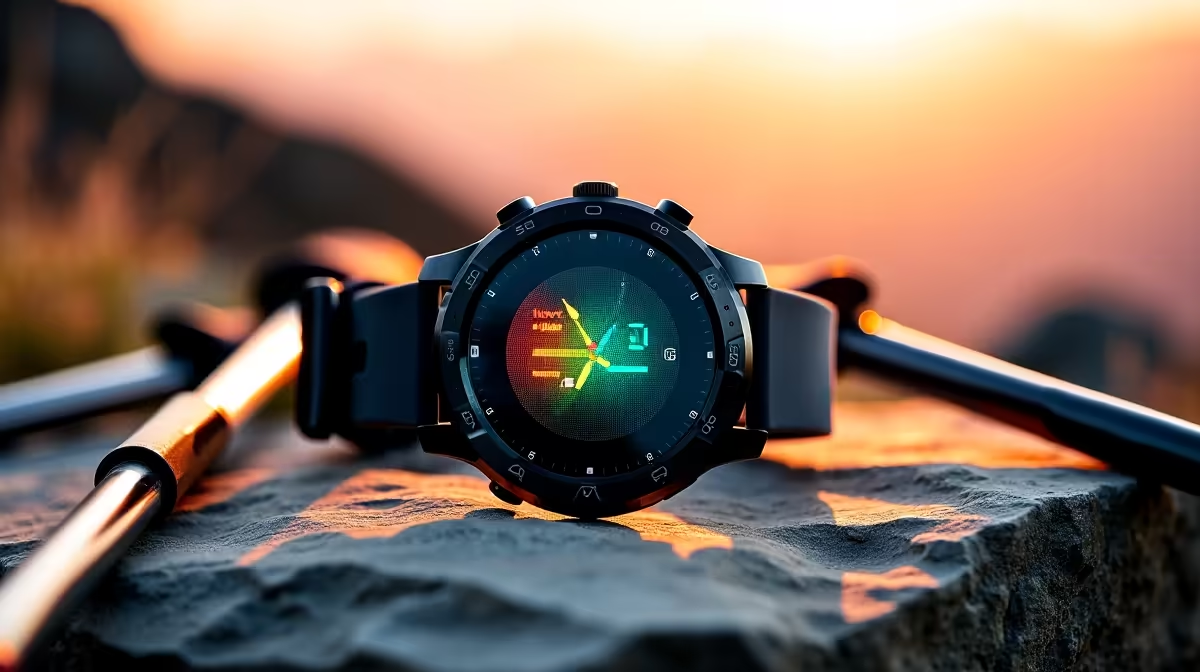
South African hikers face a unique set of challenges - unpredictable weather in the Drakensberg, scorching heat on the Tankwa Karoo trails, and vast distances from cellphone coverage in the Cederberg. A good fitness tracker for hiking isn't just a step counter; it's a safety tool, a navigation aid, and a health monitor all in one.
Quick Answer
The best fitness tracker for SA hikers combines GPS accuracy, heart rate and SpO2 monitoring, durable battery life (at least 20 hours in GPS mode), altimeter and barometric sensors, and offline map support. Brands like Garmin, Suunto, and Polar lead this category - look for rugged build quality and waterproofing rated at least IP68.
What Makes a Fitness Tracker Suitable for Hiking ❓
Not all fitness trackers are built equal when it comes to trail use. A gym-focused band that tracks steps and sleep is a very different product from a hiking-capable wearable. For South African terrain, you need these core features:
GPS accuracy: Essential for navigation and route tracking. Multi-system GPS (combining GPS with GLONASS and Galileo) gives better accuracy in dense vegetation or mountain terrain where satellite signals can be interrupted.
Battery life: A 10km hike in the Hottentots Holland or a multi-day route through iSimangaliso demands extended battery. Look for at least 20 hours of GPS-on battery - premium hiking watches often achieve 40–80 hours at reduced GPS intervals.
Altimeter and barometric pressure: The barometric altimeter gives accurate elevation readings and can warn of incoming weather - invaluable when you're above the cloud line on a Drakensberg peak.
SpO2 monitoring: Blood oxygen tracking matters at altitude. Hikers climbing in the Drakensberg's higher ranges (above 3,000m) benefit from SpO2 alerts that flag early signs of altitude sickness.
You can browse smart watch and fitness tracking options to compare what's available locally at current rand pricing.
Top Fitness Tracker Categories for SA Hikers 🔧
The fitness tracker market for hikers splits into three useful tiers:
Entry-level trail trackers (R1,500–R4,000): These cover basic GPS, heart rate, and a rudimentary altimeter. Fine for casual day hikes on well-marked trails. Garmin's Instinct Crossover and the Polar Grit series sit in this category.
Mid-range hiking watches (R4,000–R8,000): Full GPS multi-system support, topographic maps, storm alerts, and extended battery. Ideal for serious day hikers and weekend trail runners tackling routes like the Otter Trail or Whale Trail. Garmin's Fenix 7S Standard or Suunto 9 Baro belong here.
Premium expedition-grade (R8,000+): Solar charging, satellite messaging, multi-day navigation, and full topographic offline maps. For the serious hiker who ventures into remote areas of the Limpopo bushveld or multi-day Drakensberg traverses, the investment is justified.
Navigation Features: Offline Maps and Route Planning 💡
Cell signal is unreliable in most South African wilderness areas. Offline map capability is non-negotiable for serious hikers. The best trackers allow you to download trail maps before departure and follow them without any data connection.
Garmin's Connect platform lets you download maps and create routes that transfer to your device. Suunto's app offers similar functionality. Both support GPX file imports, which means you can plan a route on a desktop, export it, and follow it on your wrist.
For hikers tackling multi-day routes like the Tsitsikamma Trail or the Amatola Trail, this feature is as essential as a water filter and emergency blanket.
Durability, SA Weather Conditions, and Wearability ⚡
South African hiking conditions are extreme by global standards. Summer trails in Limpopo hit 40°C; winter overnight temperatures in the Drakensberg drop well below zero. Your tracker needs to handle both without battery drain or sensor failure.
Look for at minimum an IP68 waterproof rating - this handles heavy rain, river crossings, and sweat. Military-grade MIL-STD-810 rated devices add shock, dust, and temperature resistance on top. Sapphire crystal display lenses resist scratching from rocks and branches far better than standard glass.
Comfort on long hikes matters too. Silicone straps are sweat-resistant and easy to clean but can feel clingy in heat. Textile straps breathe better. Some premium hiking watches offer interchangeable strap systems so you can switch between trail and everyday wear.
For athletes who pair their outdoor sessions with indoor training, a tracker that handles both gym metrics (VO2 max, training load, recovery) and trail navigation is the most cost-effective option.
Frequently Asked Questions ❓
Q: Do I need a dedicated hiking watch or will a smartwatch do? A: General smartwatches (like mainstream wearables) lack the battery life, barometric altimeter, and offline mapping needed for serious hiking. For day hikes on marked trails, they're adequate. For multi-day or remote routes, invest in a dedicated hiking watch.
Q: Which fitness tracker brands are best supported in South Africa? A: Garmin has the strongest local support network and map data for South African trails. Suunto and Polar are also available locally. Check current stock and warranty terms before purchasing.
Q: How important is SpO2 monitoring for SA hikers? A: Critical if you're hiking at altitude - the Drakensberg peaks and Lesotho highlands exceed 3,000m where altitude effects become significant. SpO2 monitoring provides an early warning if blood oxygen drops to concerning levels.
Q: Can I use a fitness tracker as my primary navigation device on trail? A: For marked trails with a downloaded map, yes. For off-trail navigation or expedition routes, always carry a dedicated GPS device or compass as backup - batteries fail, screens crack, and redundancy saves lives.
Evetech stocks Graphics Card Deals and Evetech Best Sellers — shop online with fast delivery across South Africa.
Ready to Find Your Perfect Match? Explore relevant Evetech options, compare current South African pricing, and choose hardware that fits your setup. Shop now











