

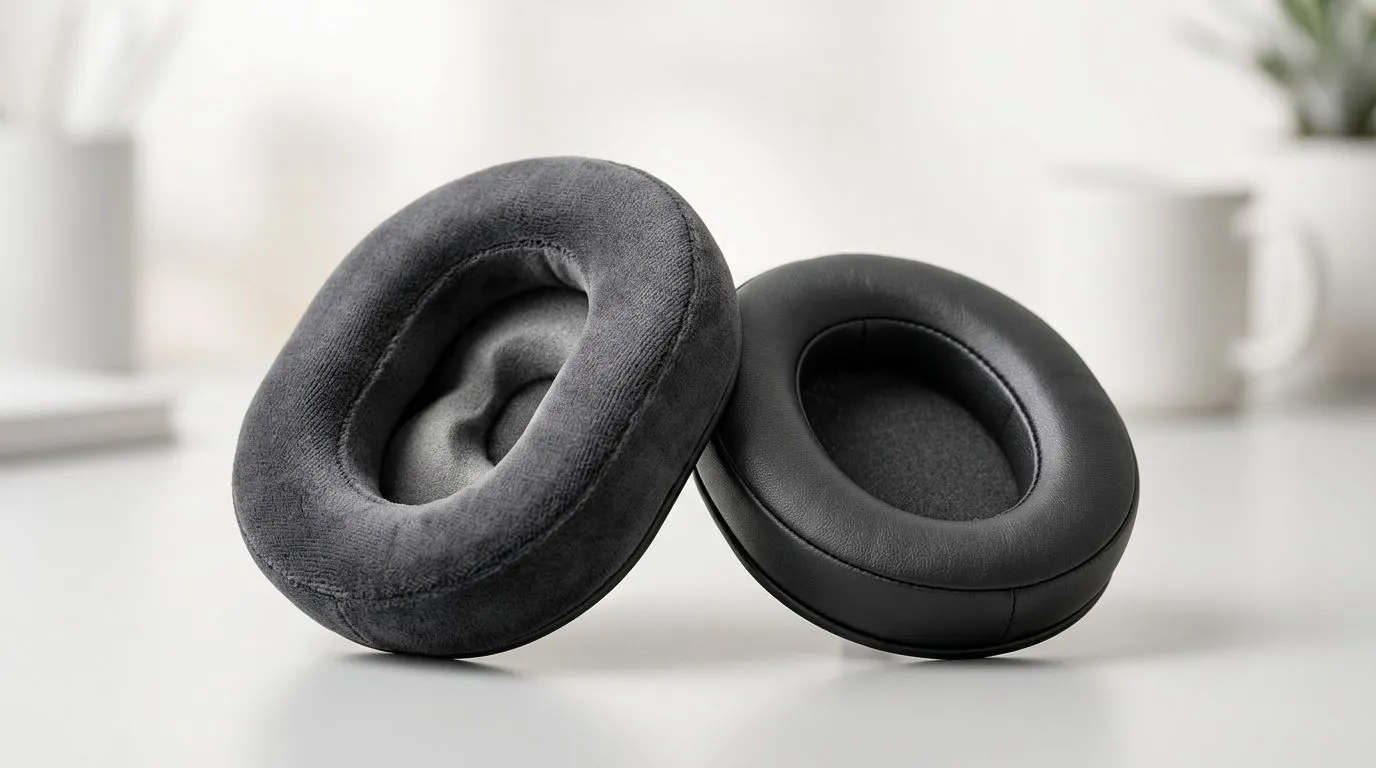
Memory Foam Ear Cushions vs Standard Padding: Comfort for Long Sessions
If you’re gaming after work or grinding ranked at night, your headset comfort matters more than you think. In South Africa, where loadshedding can push you into longer “one more match” sessions, sore ears are the real enemy. 🎮✨
Today we’re comparing Memory Foam Ear Cushions vs Standard Padding: Comfort. Which one actually feels better over hours, and which is just marketing fluff?
How Memory Foam Changes the Fit (and Why It Feels Softer)
Memory foam ear cushions are designed to mould to your ears and build a tighter seal. That seal helps reduce pressure points and can also improve passive noise isolation, so you hear game audio more clearly without turning the volume up.
Standard padding (often foam or fabric-covered padding) tends to be flatter. It can start comfortable, but as heat builds, it may not distribute weight as evenly. You get that “hot spot” feeling sooner… especially with bigger over-ear headphones.
The comfort factors that matter most 🔧
- Pressure distribution: memory foam spreads force across more surface area
- Heat retention: memory foam can feel warmer, but good designs manage it better
- Seal quality: a better seal helps with immersion and clarity
- Wear time: the longer the session, the more differences show up
Quick reality check
“Soft” isn’t always “comfortable”. If the cushion collapses too easily, your headband load can shift into your ears. That’s when discomfort ramps up fast.
Comfort Pro Tip ✨
On long gaming sessions, avoid a tight clamp force. Set your headset height so the pads sit fully on your ears, not on your cheekbones. If your ears feel warm after 30–60 minutes, swap to memory foam cushions or reduce volume instead of tightening the band. If you already own both pad types, alternate them to see what stays comfortable over a full night of gaming. "
Standard Padding: When It’s Enough (and When It Isn’t)
Standard padding can still work well, especially if you’ve got smaller ears or you prefer a lighter feel. Some players also prefer the breathability of certain fabrics. If you’re mostly doing shorter sessions, standard padding can be a practical, lower-cost option.
But if you play for hours, standard padding usually loses its “just-right” feel sooner. The cushion compresses, alignment changes, and you start noticing pressure near the ear canal.
What to Look For When You’re Shopping in South Africa 🚀
Before you buy, focus on fit, materials, and available models. If you’re selecting a headset line and want consistent comfort options, it helps to browse within a brand range rather than jumping between random models.
Here are good places to start when you’re comparing headset comfort and cushioning options:
- Check the Razer Barracuda X Chroma lineup and how it’s positioned for everyday comfort: Razer Barracuda X Chroma Wireless Headset (Phantom White) – Best Deal
- Explore a broader set of Razer headset choices to compare cushion styles: Razer Headphones & Headsets
- Browse the full category options and compare pad materials across models: Headphone Headsets (Category)
If you care about sound style too (because comfort often goes hand in hand with not needing to crank volume), you can narrow by audio mode:
- For immersive setup planning, compare listings set for 7.1: Headphone Headsets – 7.1 Options
- Or keep it simple with Stereo for a clean, consistent everyday experience: Headphone Headsets – Stereo Options
My “buying test” (fast and practical)
When you’re choosing between cushion types, aim for this:
- Try to match cushion size to your ear shape
- Look for materials that maintain structure
- Choose a headset that doesn’t force the clamp too hard
- If possible, watch for pad replacement options (comfort can be upgraded)
The Bottom Line on Comfort
Memory Foam Ear Cushions vs Standard Padding: Comfort usually favours memory foam for long sessions because it moulds to you and reduces pressure points. Standard padding can feel fine at first, but it often loses that even pressure after time… especially during sweaty, high-focus sessions.
If comfort is the priority, treat it like performance gear. The right cushions help you stay locked in without the “why do my ears hurt?” distraction. 😅
Ready to Find Your Perfect Match? The Mac vs Windows debate is complex, but for maximum power, choice, and value in South Africa, Windows is hard to beat. Explore our massive range of laptop specials and find the perfect machine to conquer your world.











