

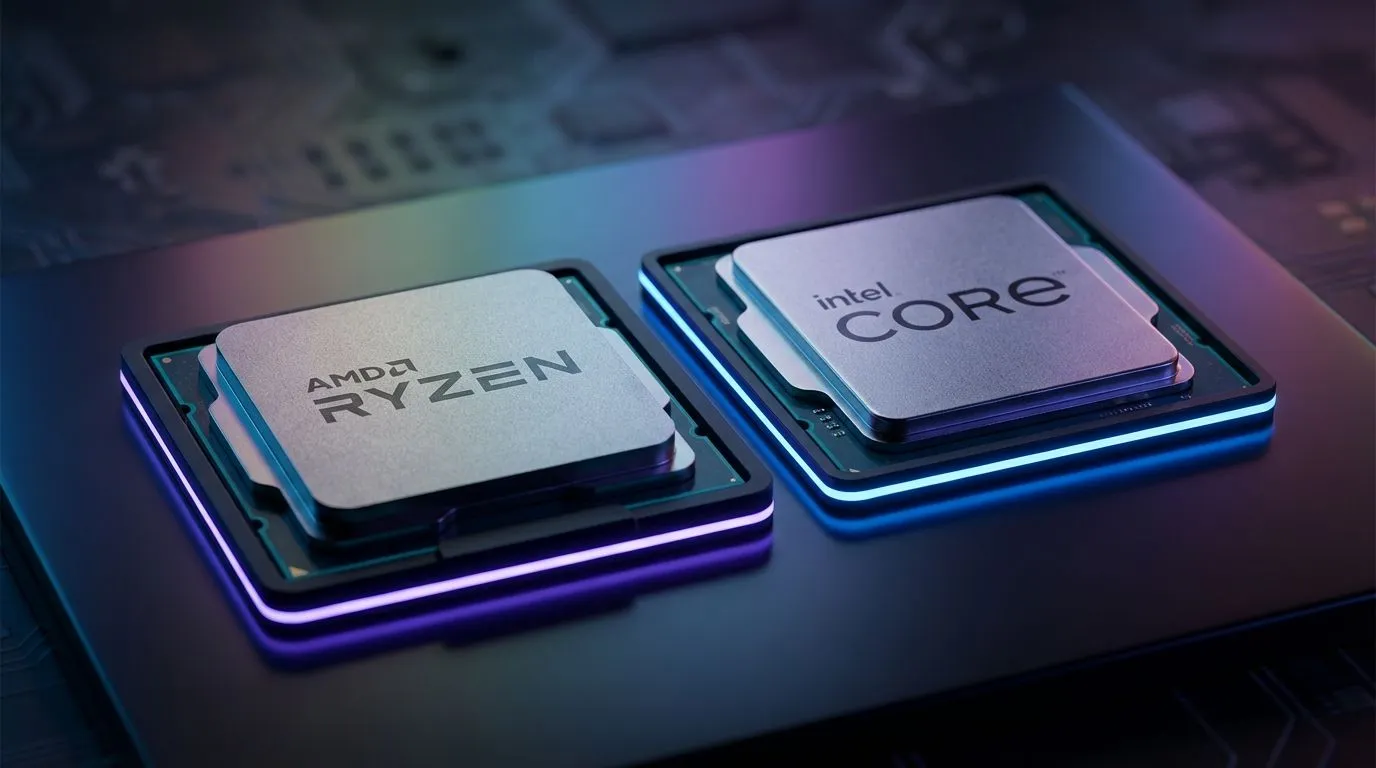
Understanding the Impact of Memory Latency in PUBG
Dropping into a hot zone in PUBG requires more than just fast reflexes... it requires a system that does not stutter when the lead starts flying. For South African gamers, the debate over AMD vs Intel PUBG memory latency is more than just tech talk. It is the difference between a smooth frame rate and a frustrating trip back to the lobby. ⚡
PUBG is built on Unreal Engine 4, a platform notorious for its sensitivity to how fast your CPU can access data. While your GPU handles the beautiful vistas of Miramar, your processor is working overtime to calculate player positions and physics. This is where memory latency becomes the silent performance killer. If your CPU is waiting for data from your RAM, you experience those tiny micro-stutters that ruin your aim.
The Intel Approach: Low Latency by Design
Intel has traditionally focused on a monolithic die design or high-speed ring buses that keep data moving quickly. This architecture generally results in lower "raw" memory latency numbers. For a game like PUBG, this means the communication between the processor and your DDR5 modules is incredibly snappy.
When you buy an Intel CPU for a dedicated PUBG rig, you are often prioritising consistent frame times. High clock speeds combined with tight memory timings allow Intel chips to brute-force through the engine's limitations. In the local market, where competitive play is growing, having that stability during a frantic final circle is worth every cent.
Latency Tuning Tip ⚡
To truly optimise your PUBG experience, ensure your RAM is running in its rated XMP or EXPO profile in the BIOS. Even a high-end CPU will struggle if your memory is stuck at default speeds. For South African gamers, keeping your kit cool is also vital... heat can cause memory instability which leads to crashes during long gaming sessions.
The AMD Strategy: Caching the Difference
AMD took a different path with their Ryzen processors. By using a chiplet design, they introduced a slight latency penalty because data has to travel across the "Infinity Fabric." However, they countered this with the revolutionary 3D V-Cache technology found in their X3D chips.
If you decide to buy an AMD CPU like the Ryzen 7 7800X3D, you are getting a massive L3 cache that stores game data right on the processor. This means the CPU does not have to "ask" the RAM for data as often. While the theoretical memory latency might be higher than Intel's, the real-world performance in PUBG is often superior because the data is already sitting right where the CPU needs it. 🚀
Which Wins for the South African Gamer?
Choosing a winner depends on your total build budget and how much you like to "tinker" with settings. Intel offers a very polished, low-latency experience out of the box. AMD offers incredible efficiency and peak gaming performance through its massive cache, even if the raw memory access is slightly slower.
Before you make a final decision, it is wise to browse all CPU processors online to compare current pricing in ZAR. Whether you are looking for a budget-friendly quad-core or a top-tier enthusiast chip, the goal remains the same... eliminating the lag that stands between you and a chicken dinner. ✨
Ready to Find Your Perfect Match? The AMD vs Intel debate is complex, but for maximum frames and the lowest latency in South Africa, the right choice depends on your specific build. Explore our massive range of CPU specials and find the perfect processor to dominate the battlegrounds.











