

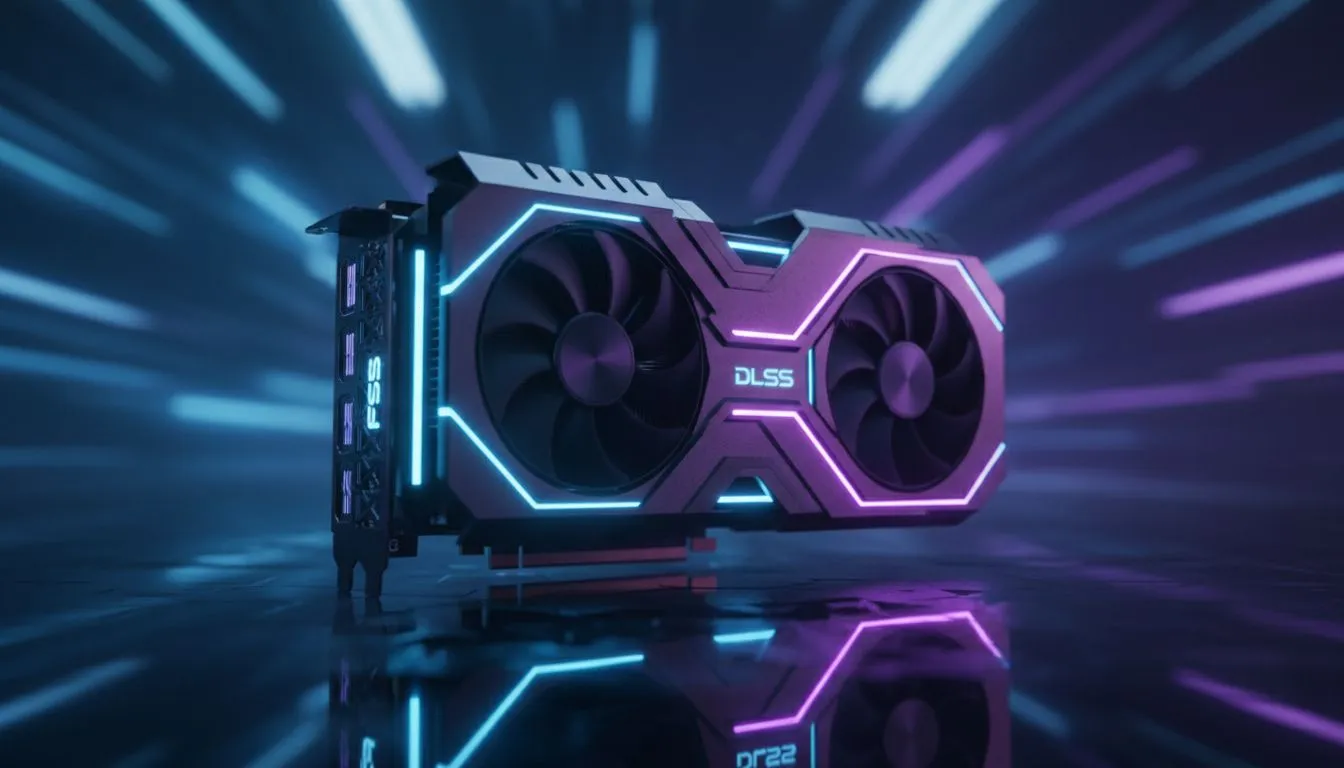
The Battle for Clarity in Black Ops 6
Struggling to track enemies through the chaos of Black Ops 6? You aren't alone. South African gamers know that every frame counts when pings are high. But nobody wants a blurry mess. As we look at DLSS 4 vs FSR 4, the big question is whether we can finally get that massive FPS boost without sacrificing visual clarity. Let's dive into the future of upscaling. ⚡
NVIDIA AI Edge: What to Expect from DLSS 4
NVIDIA has long held the crown for upscaling quality. With the upcoming Blackwell architecture, the chatter around DLSS 4 is reaching a fever pitch. We expect even more advanced AI frame generation that eliminates the "shimmering" seen in fast-moving scenes. If you want the most stable image in BO6, looking at the latest NVIDIA GeForce GPUs is the logical first step.
The goal for DLSS 4 is simple... total visual fidelity. By using more sophisticated neural networks, NVIDIA aims to reconstruct pixels with zero ghosting. This is vital for competitive shooters where a single blurred pixel could be the difference between a headshot and a trip back to the respawn screen.
AMD AI Pivot: Can FSR 4 Close the Gap?
For years, AMD focused on spatial upscaling to ensure compatibility across all hardware. However, the rumours suggest FSR 4 is moving toward a fully AI-based approach. This is a massive shift for Team Red. By leveraging AI, AMD Radeon graphics cards could finally offer the same "locked-in" look that NVIDIA users enjoy. 🚀
South African gamers on a budget often prefer AMD for its value proposition. If FSR 4 can deliver a clean BO6 FPS boost without the typical FSR "fizz," the price-to-performance ratio will be hard to beat. Imagine getting high-refresh gameplay on a mid-range card without it looking like a smeary oil painting.
BO6 Visibility Pro Tip ⚡
To reduce visual clutter in Black Ops 6, try lowering your 'Motion Blur' and 'Depth of Field' settings before relying solely on upscaling. This keeps the image sharp during fast rotations, making it easier for DLSS or FSR to do its job without adding extra artifacts.
The Third Player and Professional Power
We cannot ignore the progress made by Intel. Their XeSS technology has been a surprise hit, often outperforming FSR in terms of image stability. If you are looking for an alternative path, Intel Arc graphics cards are proving to be serious contenders in the entry-to-mid-range market. 🔧
Some users need power for more than just gaming. If you are rendering 4K video or handling 3D assets during the day, you might be looking at workstation graphics cards that bridge the gap between pro-work and high-end play. These cards benefit immensely from AI upscaling, allowing for smoother real-time previews in creative apps.
Choosing Your Hardware for the BO6 Season
So, which side should you pick? If you want the absolute cutting edge and have the budget for a premium setup, MSI graphics cards powered by NVIDIA tech remain the gold standard for DLSS support. They offer the cooling and clock speeds needed to maintain those high frame rates during long summer gaming sessions in SA. ✨
Ultimately, the DLSS 4 vs FSR 4 debate is great for us as consumers. Competition drives innovation. Whether you are rocking a R10,000 budget or a R40,000 enthusiast rig, the software is finally catching up to the hardware. You can finally enjoy the speed you need without the blur you hate.
Ready to Find Your Perfect Match? The DLSS 4 vs FSR 4 debate is complex, but for maximum power, choice, and value in South Africa, the right GPU makes all the difference. Explore our massive range of graphics card specials and find the perfect machine to conquer your world.











