

The Mission for Pixel Perfection in 007
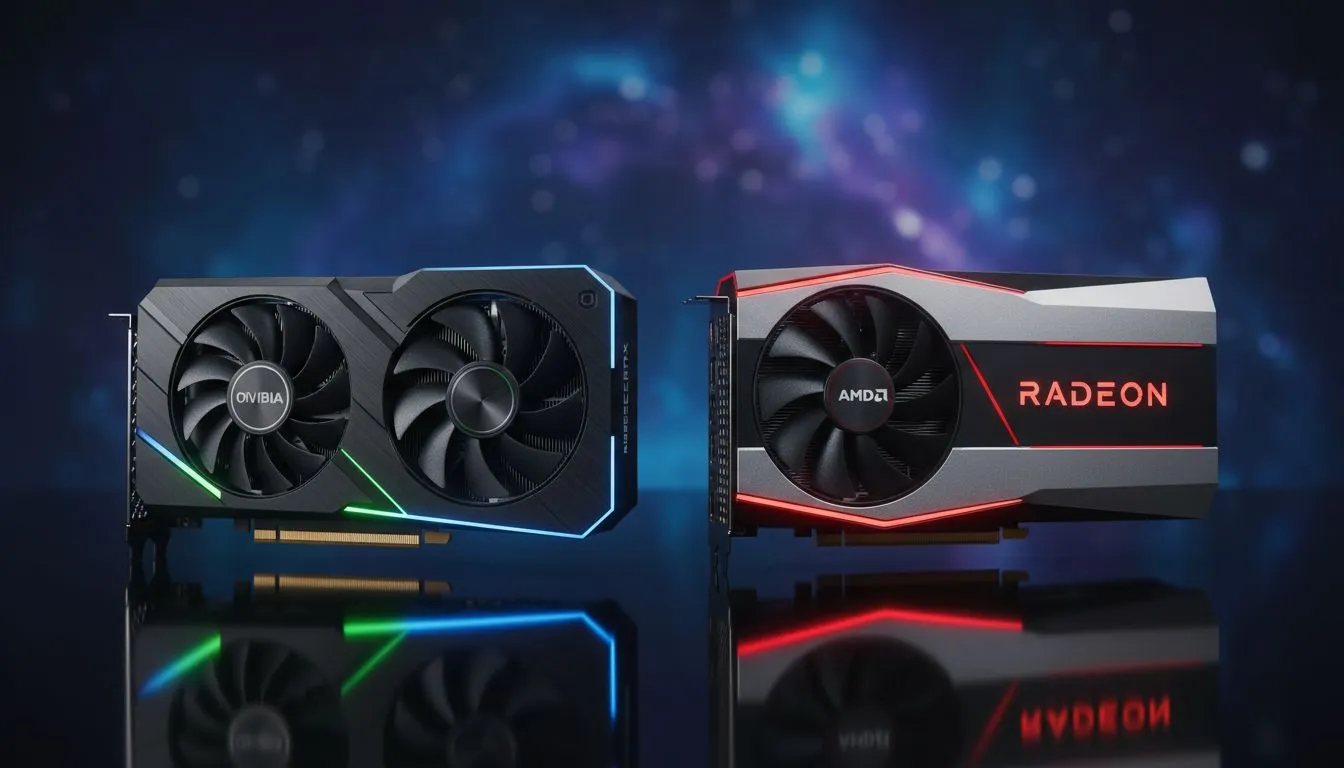
James Bond is known for precision... and South African gamers expect nothing less from their hardware. As we look toward the next 007 adventure, the technical showdown between DLSS 4 vs FSR 4: Image Stability Compared for 007 becomes critical. Will NVIDIA’s AI dominance hold, or can AMD’s new AI-driven approach steal the spotlight? Let’s dive into the pixels that define the secret agent experience. ⚡
DLSS 4 and the Power of AI Reconstruction
NVIDIA has long been the leader in the upscaling space. With the anticipated release of DLSS 4, the focus shifts from mere frame rates to absolute image stability. In a fast-paced stealth game like 007, shimmering fences or ghosting behind a moving silencer can ruin the immersion. By using advanced AI models, DLSS 4 aims to eliminate these artefacts entirely. To experience these features, most gamers look toward the latest NVIDIA and ATI graphics cards to ensure their rigs are future-proofed for upcoming AAA titles.
AMD FSR 4: The AI Evolution
AMD is making a massive pivot. Previous versions of FSR relied on spatial and temporal upscaling without dedicated AI hardware. However, FSR 4 is expected to embrace AI-based frame generation and reconstruction. This is a massive win for those using AMD Radeon graphics cards in South Africa. The goal is to match the stability of its green-team rival, ensuring that Bond’s tuxedo looks sharp even when diving through a window in 4K. 🚀
Smooth Operator Tip ⚡
When comparing upscaling tech, always check your "Sharpness" slider in the game settings. Over-sharpening can cause "halos" around objects. For the best image stability in 007, keep sharpness between 10% and 30% to let the AI reconstruction do the heavy lifting naturally.
Stability Under Pressure
Image stability isn't just about software... it's about how the hardware handles the load. High-end cooling ensures that clock speeds remain consistent, which prevents micro-stuttering during intense gunfights. Many local enthusiasts prefer the thermal designs found on MSI graphics cards to keep their systems quiet and cool. When comparing DLSS 4 and FSR 4, the way each handles "thin geometry" like power lines or hair will be the true test of their stability algorithms.
Beyond the Gaming Rig
While gamers focus on the 007 experience, these upscaling technologies are bleeding into professional spaces. High-resolution textures require immense VRAM and processing power. Creators often utilise workstation graphics cards to handle complex renders where image stability is non-negotiable. Even the newcomer, Intel, is making strides with XeSS. If you are on a budget, checking out Intel Arc graphics cards might offer a surprising value proposition for entry-level 1080p gaming with solid upscaling support. ✨
Final Verdict on Image Stability
Choosing between DLSS 4 and FSR 4 for your 007 playthrough depends on your current hardware. NVIDIA currently holds the crown for temporal stability, but AMD’s shift to AI could close that gap significantly by the time the game launches. Whether you are chasing 144Hz or cinematic 4K, the stability of the image will determine how deep you sink into the world of international espionage. 🔧
Ready to Upgrade Your Arsenal? The battle for the best visuals is heating up, and your GPU is the heart of the action. For the best prices in ZAR and the widest range of hardware in South Africa, we have you covered. Explore our latest graphics card deals and prepare your PC for the next generation of gaming.











