How Frame Generation Works for South African Racers
You are hitting the final corner at Kyalami. Your timing is everything. You want the smoothest visuals... but does AI-generated frames mess with your muscle memory? Frame generation is the talk of the town. For South African sim racers... every millisecond matters. We need to know if Frame Generation Input Lag: Is It Noticeable in Sim Racing? or if the extra smoothness is worth the trade-off.
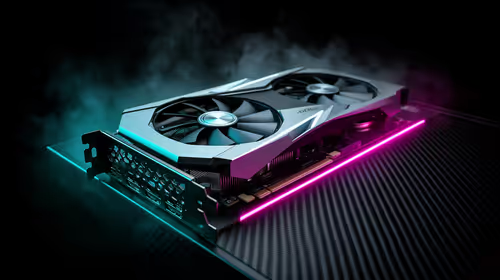
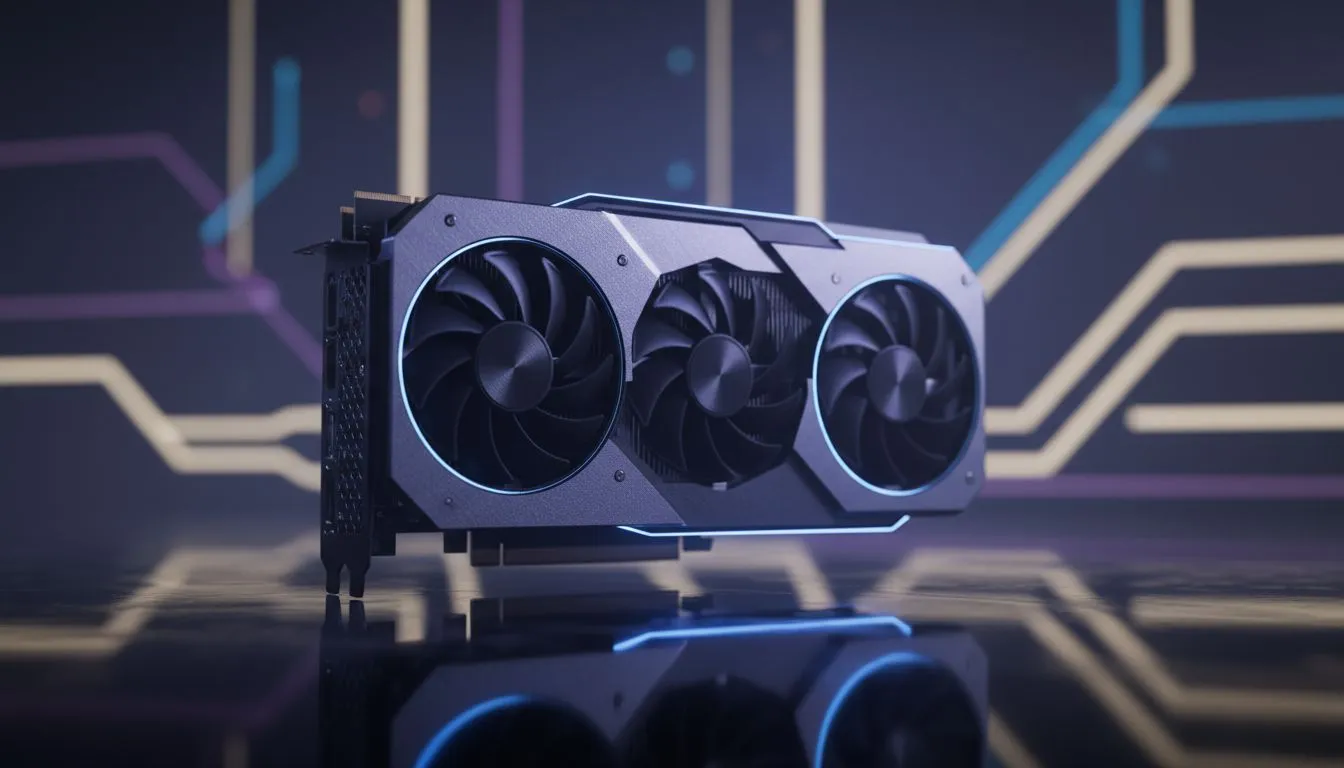
Frame generation uses AI to insert frames between traditionally rendered ones. It makes games look incredibly fluid. If you are browsing the latest NVIDIA and ATI graphics cards... you have seen the marketing. It boosts your FPS count significantly. However... because these frames are created after the initial data is processed... a small amount of latency is added.
Frame Generation Input Lag: Is It Noticeable in Sim Racing?
In a high-speed sim... your hands and feet need to be in sync with the screen. Many racers using high-end MSI graphics cards report that DLSS 3 feels great. The visual clarity helps with braking markers. But is the delay real? For most... the extra smoothness outweighs the slight lag... especially when paired with technologies like NVIDIA Reflex.
If your base frame rate is already high... say above 60 FPS... the added latency is negligible. You get the benefit of 120 FPS visual motion without the "heavy" feeling in the wheel. However... if you are starting at 30 FPS... the delay becomes apparent. It feels like driving through mud. ✨
Comparing the Brands in the Sim Rig
It is not just a green-team game anymore. Those looking at AMD Radeon graphics cards can use FSR 3 to achieve similar results. Even the newer Intel Arc graphics cards are entering the fray with XeSS. While these technologies differ... they all face the same challenge. Does the AI-generated frame arrive too late for a competitive driver? Generally... for a casual weekend racer... the boost in immersion is a massive win. ⚡
Latency Pro Tip ⚡
To minimise input lag when using frame generation, always enable NVIDIA Reflex or AMD Anti-Lag in your game settings. This synchronises the CPU and GPU to ensure the "queue" of frames is as short as possible. It is the best way to keep your steering inputs feeling sharp while enjoying high frame rates.
Professional Sim Rigs and Stability
Not everyone is just racing for fun. Some users require workstation graphics cards for rendering complex track designs or engineering simulations. While frame generation is a gaming feature... the underlying power of these GPUs ensures that your creative workflow stays fast. For the dedicated racer... spending R15,000 or more on a GPU is an investment in precision. 🚀
Ready to Find Your Perfect Match? The debate over frame generation is complex, but for maximum power, choice, and value in South Africa, a dedicated GPU is hard to beat. Explore our massive range of graphics cards and find the perfect machine to conquer the track.