

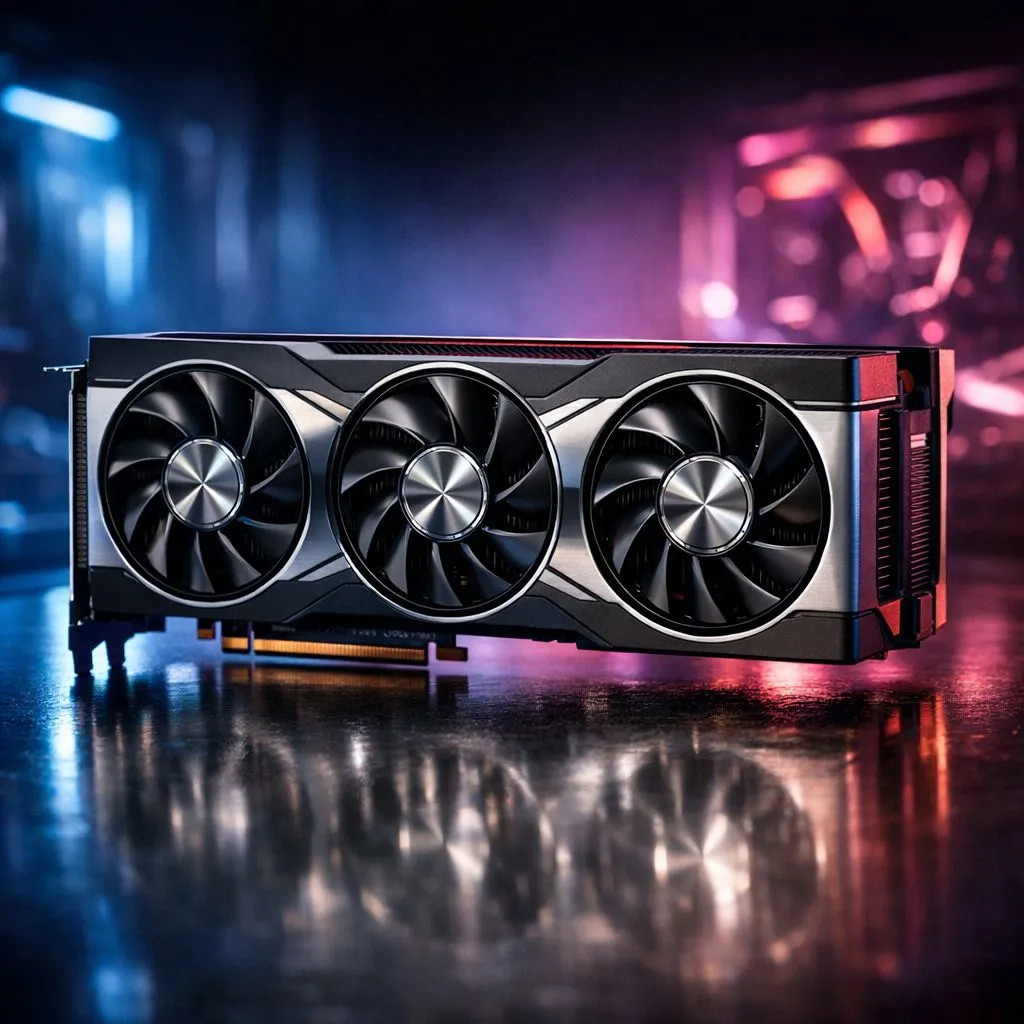
The Evolution of Radeon Ray Tracing Performance
For a long time, ray tracing was the exclusive playground of the elite. South African gamers looking for that realistic lighting often faced a tough choice: pay a massive premium or settle for flat visuals. But with the shift in Radeon ray tracing performance, the gap is closing fast. Whether you are upgrading an old rig or building fresh, understanding how these accelerator generations stack up is key to your next big win. 🚀
Comparing Accelerator Generations: RDNA 2 vs RDNA 3
When AMD first introduced hardware-based ray tracing with the RX 6000 series, it was a bold step into a new era. These RDNA 2 cards featured first-generation Ray Accelerators (RA). While they handled shadows and reflections reasonably well, they often struggled when the lighting got complex. If you look at our current Radeon Graphics Cards selection, you will see the massive leap taken by the newer RX 7000 series.
The second-generation Ray Accelerators found in RDNA 3 architecture offer up to 50% more performance per compute unit. This means that for every Rand spent, you are getting significantly more "rays" processed per second... allowing for smoother frame rates in titles like Cyberpunk 2077 or Resident Evil Village.
Optimising Ray Tracing ⚡
If you find your frame rates dipping in heavy titles, always enable FSR (FidelityFX Super Resolution). It uses smart upscaling to maintain high-quality visuals while significantly boosting your performance... giving you the best of both worlds without breaking the bank.
Real-World Benchmarks and Local Value
In the South African market, value is everything. While many enthusiasts still eye the GeForce Graphics Cards for pure ray tracing dominance, Radeon has become the king of rasterization value with a growing RT capability.
For instance, an RX 7800 XT provides a much more stable ray-traced experience at 1440p compared to its predecessor, the RX 6800. We often see local builds using MSI variants because of their superior cooling solutions, which are vital for maintaining high clock speeds during those hot Durban or Jo'burg summers. 🔧
Balancing Fidelity and Cost
Choosing the right card involves looking at the total package. Modern Radeon cards don't just offer better ray tracing... they also bring more VRAM to the table. This is crucial as modern games start to demand 12GB or even 16GB of video memory just to keep textures sharp while ray tracing is active. You can browse our entire range of graphics cards to find a model that fits your budget, with options starting well under R10,000 for entry-level RT performance. ⚡
The jump from first-gen to second-gen accelerators is more than just a spec bump. It is the difference between ray tracing being a "screenshot mode" and a playable feature. As drivers continue to mature, we expect the Radeon ray tracing performance to keep climbing, making it a stellar long-term investment for any local gamer. ✨
Ready to Find Your Perfect Match? The debate over lighting and frames is complex, but for maximum value and future-proof VRAM in South Africa, Radeon is hard to beat. Explore our massive range of graphics card specials and find the perfect machine to conquer your world.











