

Why Blood Oxygen Levels Matter for Performance
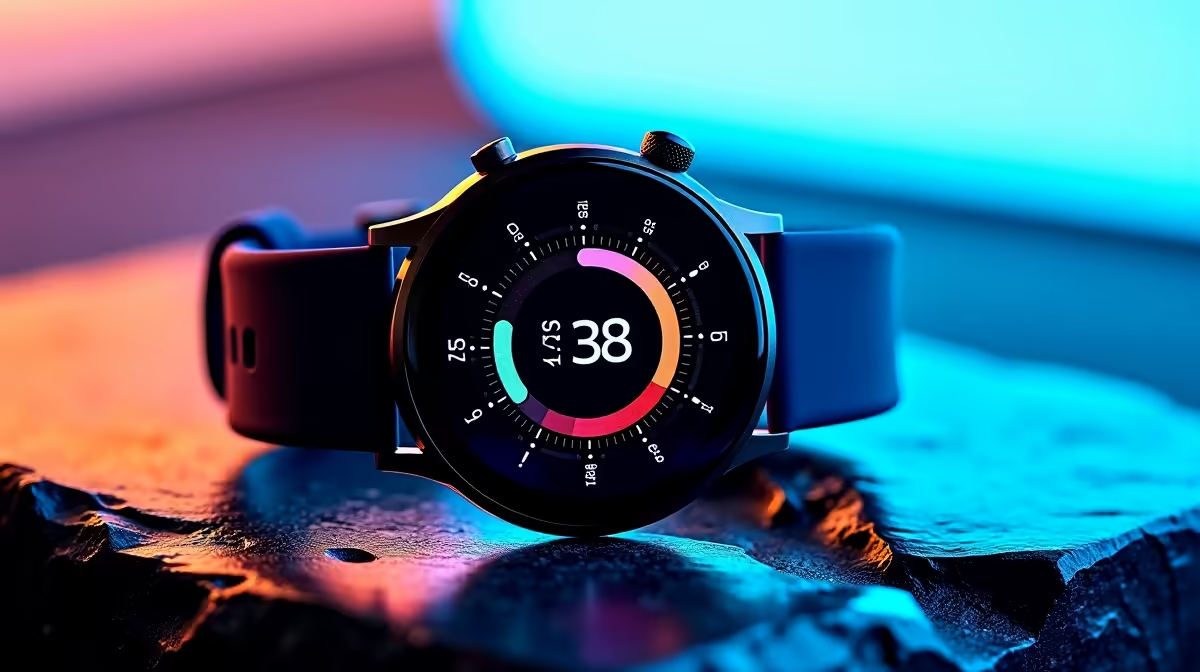
Ever wondered why you feel sluggish after a morning run in the high-altitude air of Gauteng? Monitoring your vitals is no longer just for professional athletes. With modern Smartwatch SpO2 Monitoring, you can track your blood oxygen levels right from your wrist. It is about understanding how your body handles stress, sleep, and physical activity in our unique South African climate. Staying informed helps you optimise your recovery every day.
Blood oxygen saturation, or SpO2, represents the percentage of haemoglobin in your blood that is carrying oxygen. For those living in "The Parks" or training in the thin air of the Highveld... this metric is vital. When you push your limits during a session at the gym or a hike up Table Mountain, your oxygen levels can dip. If your levels drop too low, you might experience fatigue or dizziness. By using a wearable to monitor these shifts, you can decide when to push harder and when to take a rest day.
Choosing the Right Tech for Your Lifestyle
When looking at the broad selection of smart watches available today, you will notice that SpO2 sensors have become a standard feature for health-conscious users. These devices use red and infrared light sensors to detect the colour of your blood... which indicates how much oxygen it is carrying.
The Promate smart watches collection provides a variety of styles that fit any wardrobe while keeping a constant eye on your vitals. Whether you are in a boardroom meeting or on a mountain bike trail, these devices offer real-time data to keep you informed. ⚡
For those who want to stay healthy without breaking the bank, there are excellent wearables under R1000 that include sophisticated SpO2 sensors. You don't need to spend a fortune to get reliable data that helps you understand your body better. ✨
Getting the Most Accurate Readings
While wrist-based sensors are incredibly convenient, they require proper placement to give you the best results. If the watch is too loose, external light can interfere with the sensor... leading to inaccurate readings. 🔧
Accuracy Pro Tip ⚡
To get the most accurate SpO2 reading, ensure your watch strap is snug but comfortable, about one finger-width above your wrist bone. Keep your arm still and resting on a flat surface at heart level while the sensor works its magic. This simple adjustment ensures the light sensors can properly penetrate the skin and read your blood flow without interference.
Monitoring your SpO2 during sleep is another powerful way to use this technology. It can help identify potential issues like sleep apnoea or poor recovery patterns. By checking your morning report, you can see if your blood oxygen remained stable throughout the night, ensuring you wake up ready to conquer the day. 🚀
Ready to Find Your Perfect Match? Monitoring your health shouldn't be a luxury, and with the right tech, it isn't. Explore our massive range of smartwatch specials and find the perfect wearable to track your vitals and smash your fitness goals.











