

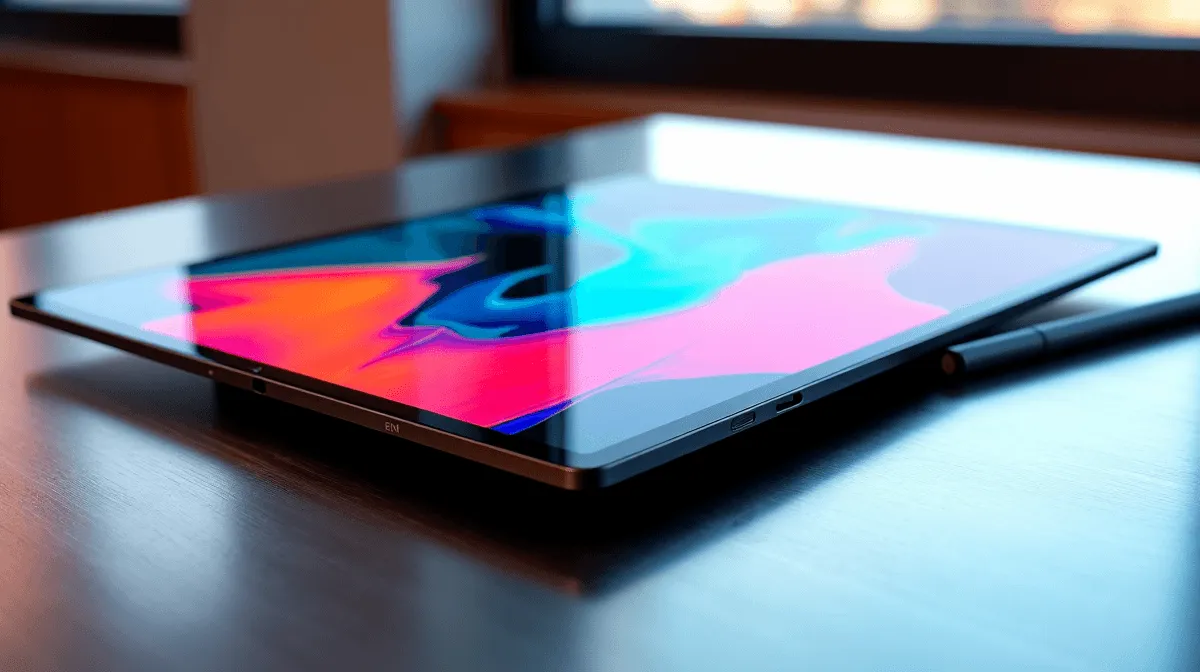
Quick Answer
For drawing and design in South Africa, the Xiaomi Pad 6S Pro and the Huawei MatePad Pro 13.2 are both genuinely capable, but the MatePad Pro pulls ahead with its OLED PaperMatte display, lower stylus latency, and superior pressure sensitivity. The Xiaomi Pad wins on pricing and ecosystem flexibility, making it the value champion at roughly half the cost.
Where Each Tablet Fits The SA Market
The Huawei MatePad Pro 13.2 lands around R22,000 locally with the M-Pencil included, while the Xiaomi Pad 6S Pro sits closer to R12,500 with the Smart Pen as an optional R1,800 add-on. That R10,000 gap is significant and shapes the entire decision for most SA artists and designers.
Both tablets are widely available with same-day Gauteng dispatch and warranty support. Software is the elephant in the room: neither runs full Google Mobile Services natively, with Huawei using HarmonyOS and Xiaomi running HyperOS based on Android. For drawing apps specifically, this matters less than it sounds since the major creator apps work fine on both.
Display Quality: The MatePad Pro Pulls Ahead
The MatePad Pro 13.2's 13.2-inch flexible OLED panel with PaperMatte coating is genuinely class-leading. The matte texture mimics paper feel under the stylus while delivering 1000 nits peak brightness and full DCI-P3 coverage. For illustrators, the reduced glare during outdoor sketching is transformative, especially in Cape Town's bright Atlantic light.
The Xiaomi Pad 6S Pro fights back with a 12.4-inch 3K LCD at 144Hz refresh, which is excellent for the price but lacks OLED's deep blacks and colour vibrancy. For pure black-and-white sketching it's nearly indistinguishable, but for finished colour work and photo retouching, the MatePad Pro's panel wins clearly.
Both panels handle pen input at 120Hz polling, but the OLED's lower input latency makes the MatePad Pro feel marginally more responsive in stroke-heavy sessions like inking and lettering.
Stylus Performance: Where Pixels Become Lines
Huawei's M-Pencil 3 offers 16,384 levels of pressure sensitivity with sub-2ms latency in optimised apps. The pen ships in the box with the MatePad Pro 13.2, which is a R1,500+ value embedded in the price. Tilt response and palm rejection are excellent in apps like Sketchbook, Concepts, and Infinite Painter.
The Xiaomi Smart Pen 2 supports 8,192 pressure levels and works beautifully in HyperPaint and Procreate-alternatives, but the lower granularity is noticeable for professional illustrators doing detailed line weight work. Casual artists and design students won't notice the difference, but commercial illustrators billing client work likely will.
For character design, comic inking, and concept art, the MatePad Pro's stylus has the edge. For UI design, mood boards, sketch notes, and academic illustration, the Xiaomi Pad 6S Pro is more than capable.
Performance, Battery, And Real-World Use
The MatePad Pro 13.2 runs Huawei's Kirin T92 chipset with 12GB RAM, while the Xiaomi Pad 6S Pro packs Snapdragon 8 Gen 2 with 8GB or 12GB RAM. In synthetic benchmarks, the Xiaomi pulls slightly ahead, but in actual creation workflows like 4K layered Procreate-class projects, both tablets handle 100+ layers without stutter.
Battery life favours Xiaomi slightly at around 12 hours mixed use versus 10 hours on the MatePad Pro. For varsity students working all day in lecture halls and coffee shops, that two-hour gap can matter. Both support fast charging, with the Xiaomi reaching 100% in roughly 50 minutes.
Frequently Asked Questions
Xiaomi Pad vs Huawei MatePad: which is better for drawing and design in SA?
The MatePad Pro 13.2 is the better pure drawing tablet thanks to its OLED PaperMatte display and superior stylus pressure sensitivity, but it costs nearly double. For commercial illustrators billing in Rand, the MatePad earns its premium. For students and hobbyists, the Xiaomi Pad 6S Pro delivers 80% of the experience at half the price.
Is the Huawei MatePad Pro 13.2 worth the price difference in SA?
If drawing is your income source, yes. The OLED panel, included M-Pencil, and superior pen latency genuinely improve daily workflow. If you're a hobbyist or student, the price gap doesn't justify the upgrade. The Xiaomi Pad 6S Pro covers learning and casual creation beautifully.
Which tablet has better value for Rand pricing?
The Xiaomi Pad 6S Pro wins on raw value. At around R12,500 plus R1,800 for the pen, you get a 3K 144Hz display, 12GB RAM, and Snapdragon 8 Gen 2 performance. That's hard to beat for a creator tablet under R15,000 in SA, especially with same-day Gauteng dispatch and local warranty.
Ready to Find Your Perfect Match? Pair your tablet with a powerful design workstation for the full creator setup. Explore Workstations at Evetech











