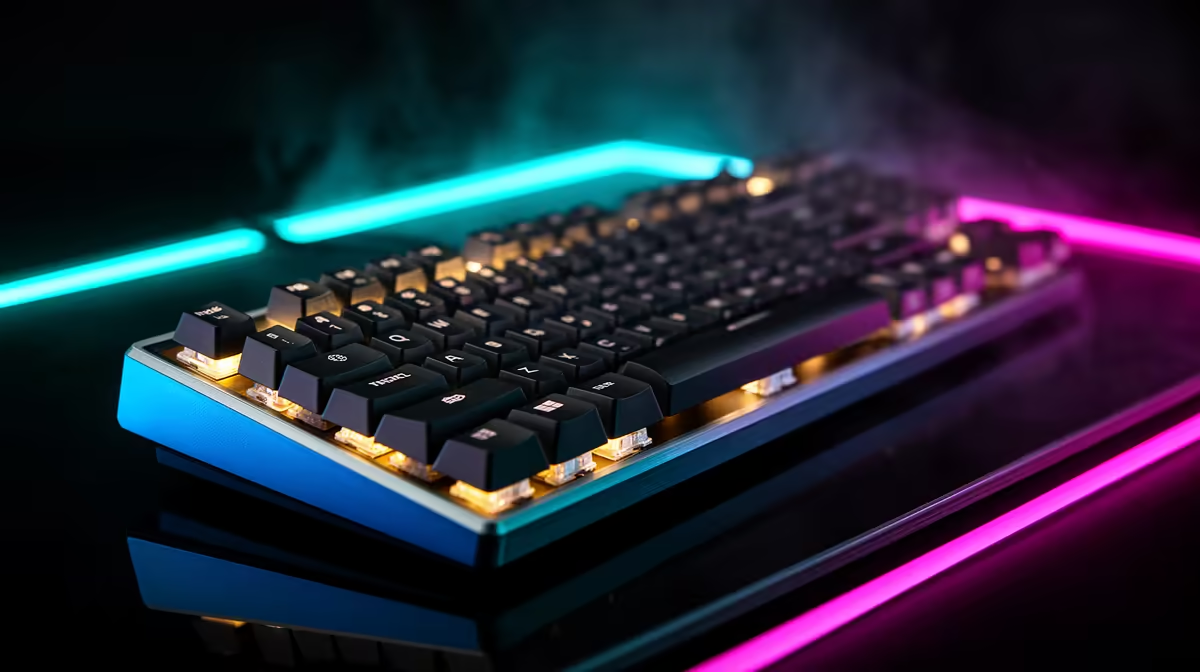
A gaming keyboard for demanding AAA titles run at 1440p with the eye candy turned up is judged on switch durability, build and connection — not on the light show. Here is where SA buyers should spend so the board lasts and where cheap ones quietly cost more.
Quick Answer
For demanding AAA titles run at 1440p with the eye candy turned up, the keyboard specs that matter are switch durability, a solid case and reliable connection — not RGB. A well-built mechanical board runs R800-R2,000, and that range buys switches rated for 50-100 million presses that outlast a cheap membrane many times over.
Mechanical versus membrane
Cheap membrane keyboards feel mushy and wear out — the dome flattens and keys start missing presses within a year of heavy use. A mechanical board with hot-swappable or rated switches (50-100 million presses) stays crisp for years. For gaming and typing alike, the mechanical board at R800-R2,000 is the better long-term Rand.
The specs that actually matter
Switch type (linear reds for fast gaming, tactile browns for mixed use), N-key rollover so every press registers in a busy moment, a stable case that does not flex, and a detachable USB-C cable for travel and longevity. Wireless is convenient but adds a little latency; for competitive play, wired or a quality low-latency 2.4GHz dongle is best.
What breaks first on a cheap keyboard
The USB cable and the spacebar stabiliser go first — a fixed cable frays at the strain point and cheap stabilisers rattle then stick. Switches in the most-used cluster (WASD) start chattering or missing presses. A board with a detachable cable, decent stabilisers and rated switches sidesteps all three and lasts years.
FAQ
Mechanical or membrane keyboard for gaming?
Mechanical. The switches are rated for 50-100 million presses and stay crisp for years, where a cheap membrane goes mushy within a year of heavy use. A R800-R2,000 mechanical board is the better long-term buy.
What keyboard specs actually matter?
Switch type and rating, N-key rollover, a stable flex-free case, and a detachable USB-C cable. These decide feel and lifespan; RGB and macros are nice-to-haves that do not change how the board performs.
Is a wireless keyboard good for gaming?
A quality low-latency 2.4GHz wireless board is fine for most players. For competitive low-latency play, wired or a top-tier dongle is best, since cheap Bluetooth adds noticeable input lag.
quality and a detachable cable before RGB — those two decide how the keyboard feels and how long it lasts. Pick linear switches for fast gaming or tactile for mixed typing.