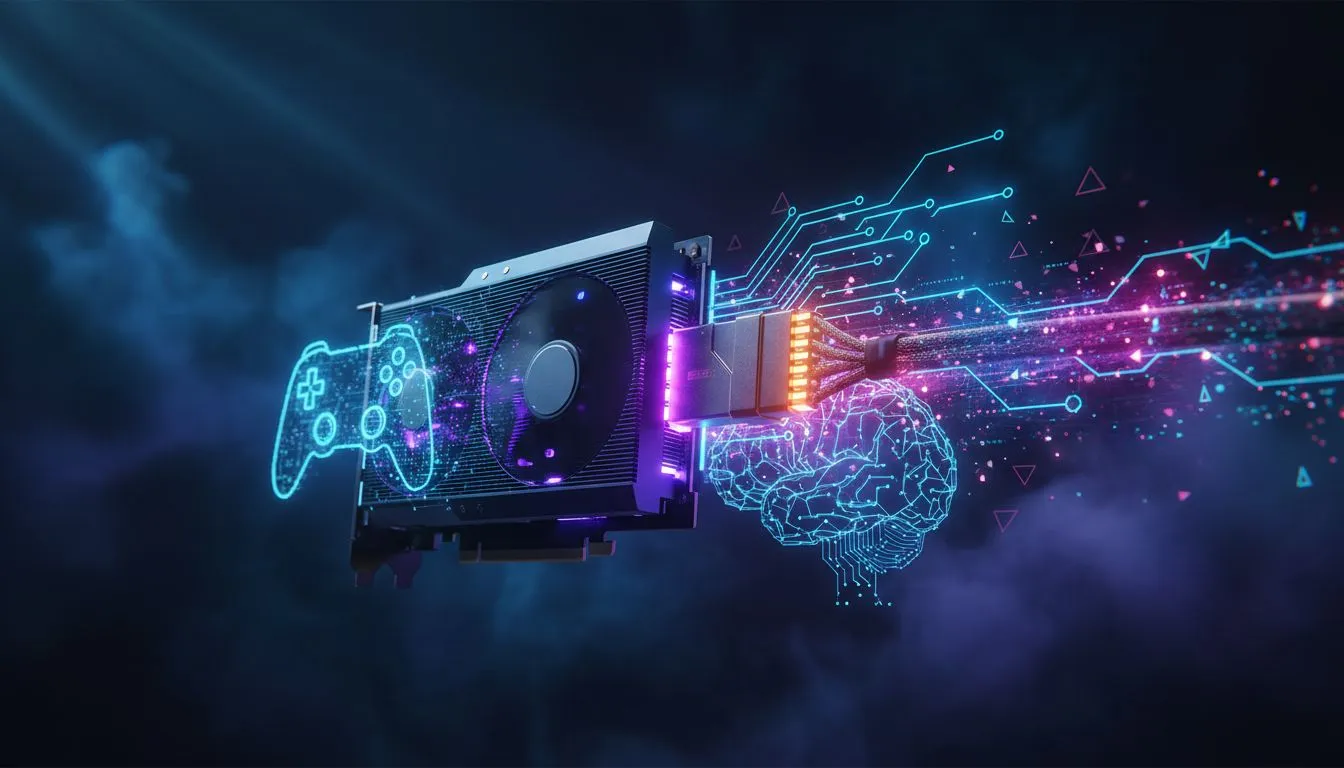
So you’ve just dropped some serious ZAR on a beastly new graphics card, like an RTX 40-series GPU. The excitement is real! But then you see it… the new 12VHPWR connector. You’ve probably heard the horror stories online. Don’t stress. A safe and secure 12VHPWR cable installation is actually straightforward when you know the key steps. This guide will show you exactly how to power your new GPU properly and avoid any drama. 🔧
Why Proper 12VHPWR Installation Matters
The 12VHPWR (12-Volt High-Power) connector is an engineering marvel designed to deliver up to 600 watts of power to your GPU through a single, compact cable. It's a necessary evolution for power-hungry cards. However, this high power density means the connection has to be perfect.
The early issues you might have seen online were almost always traced back to one thing: an incomplete connection. If the connector isn't fully seated, the electrical resistance increases, generating excess heat that can, in the worst-case scenario, melt the plastic. A proper 12VHPWR cable installation is your number one defence against this.
The Foolproof Guide to Connecting Your 12VHPWR Cable
Follow these simple steps for a secure connection every time. There’s no need to use excessive force; just be deliberate and careful.
Step 1: Listen for the Click ⚡
This is the most critical part. As you plug the 12VHPWR connector into your GPU, push it in firmly and evenly until you hear and feel a distinct click. This click is the locking latch engaging, confirming the connector is fully seated. If you don't hear it, it's not properly connected. Wiggle it gently to confirm it's secure and won't pull out easily.
Step 2: Mind the Bend
To prevent unnecessary stress on the connector pins, avoid sharp bends in the cable right where it meets the plug. The general rule from manufacturers like NVIDIA is to allow at least a 35mm straight run from the connector before you start bending the cable. A gentle, sweeping curve is what you're aiming for. For a clean look and guaranteed safe angle, you can even find some stylish GameMax 12VHPWR ARGB extensions that add some RGB flair to your build.
Case Clearance Check ✅
Before closing your case, double-check that your side panel isn't pressing against the 12VHPWR connector. This pressure can cause the cable to unseat over time or create a hazardous bend. If space is tight, consider a vertical GPU mount or a case with more width.
Step 3: Visually Inspect the Connection
Once clicked in, take a final look. There should be no visible gap between the connector housing and the GPU's power socket. It should look flush and feel solid. This quick visual check gives you extra peace of mind that your 12VHPWR cable installation is spot on.
Upgrading Your Cables for a Cleaner, Safer Build
While the adapter that comes with your GPU works, it can be stiff and bulky. For the ultimate clean aesthetic and easier cable management, many builders in South Africa are investing in premium sleeved cables. These cables are often more flexible than stock options, making it much easier to achieve that gentle bend without putting strain on the connector. Plus, they make your build look absolutely incredible. ✨
Ultimately, connecting your new GPU is a simple process. Don't let the online chatter scare you. By ensuring a solid, clicked-in connection and avoiding sharp bends, you're setting your rig up for thousands of hours of stable, high-performance gaming.