Building a high-performance PC in South Africa means battling more than just lag. Our summer heat can throttle even the best hardware. When choosing between a 240mm vs 360mm radiator, the decision often comes down to your case space and your CPU's thermal demands. Getting it right ensures your rig stays quiet and cool while you're grinding in Cape Town or Pretoria. 🔧
Understanding the 240mm vs 360mm Radiator Debate
Thermal management is the heart of any stable gaming system. While air cooling has its place, most enthusiasts prefer the sleek aesthetics and efficiency of a comprehensive range of CPU coolers that use liquid. The "size" refers to the total surface area of the radiator... which directly impacts how much heat can be dissipated.
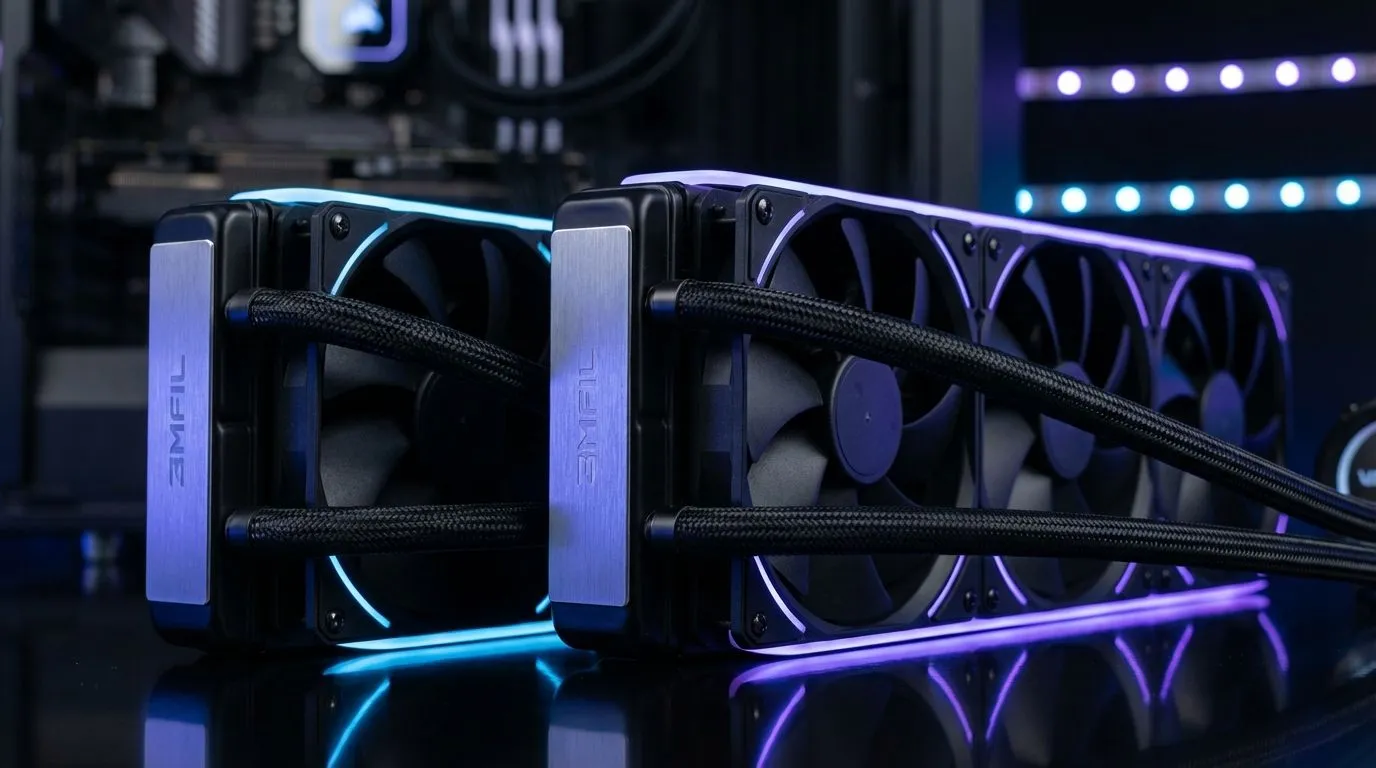
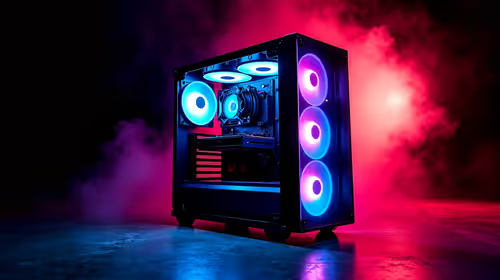
A 240mm unit uses two 120mm fans. It is the standard for most mid-tower cases. On the other hand, a 360mm unit uses three 120mm fans. This extra fan and radiator length provide a significant boost in cooling potential. If you are running a modern Liquid Cooler (AIO) setup, you need to match the radiator to your processor's TDP.
When to Choose a 240mm Radiator
The 240mm size is the versatile hero of the Build Lab. It fits into almost any modern chassis... including many ITX small-form-factor builds. If you are running an Intel Core i5 or a Ryzen 5, compact 240mm Radiator options are usually more than enough.
They offer a great balance of price and performance. You can save a few hundred ZAR compared to larger units while still keeping your temperatures well below the danger zone. It is also easier to mount in the roof of a case... which helps exhaust hot air naturally.
Radiator Placement Tip ⚡
Always try to mount your radiator at the top of your case as an exhaust. This prevents air bubbles from getting trapped in the pump head. If you must mount it at the front, ensure the tubes are at the bottom to extend the lifespan of your AIO and keep noise levels low.
Stepping Up to a 360mm Radiator
If you are rocking a high-end Core i9 or Ryzen 9, you need more surface area. These chips generate immense heat during heavy workloads or 4K gaming. Opting for massive 360mm Radiator setups allows the fans to spin at lower speeds. This results in a much quieter gaming experience. ✨
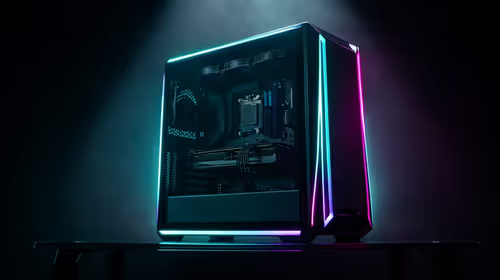
Beyond just raw cooling, the 360mm size fills out larger cases beautifully. There is nothing worse than a tiny radiator looking lost in a giant full-tower chassis. 🚀
Performance and Brand Reliability
When looking at specific hardware, brands like Deepcool offer incredible value for money in the South African market. They provide excellent thermal results without breaking the bank. If you want top-tier software integration and RGB customisation, the performance of CORSAIR remains a gold standard for many local builders.
Ultimately, your choice in the 240mm vs 360mm radiator battle depends on your budget and your case. Measure your clearance twice before buying. A 360mm rad won't do you any good if it hits your RAM or won't clear the front panel.
Ready to Find Your Perfect Match?
The 240mm vs 360mm radiator choice is vital for a stable rig, but finding the right one shouldn't be a struggle. Explore our massive range of AIO liquid coolers and find the perfect cooling solution to keep your PC running at peak performance.