Is your gaming PC sounding like a jet engine during a heated Apex Legends match? You’re not alone. Many rigs struggle because their components are suffocating. The culprit is often a solid front panel that prioritises looks over performance. An airflow front panel PC case is the simple, effective solution to keeping your machine cool, quiet, and running at peak performance. It's one of the most crucial choices you'll make for your next build.
What is an Airflow Front Panel PC Case?
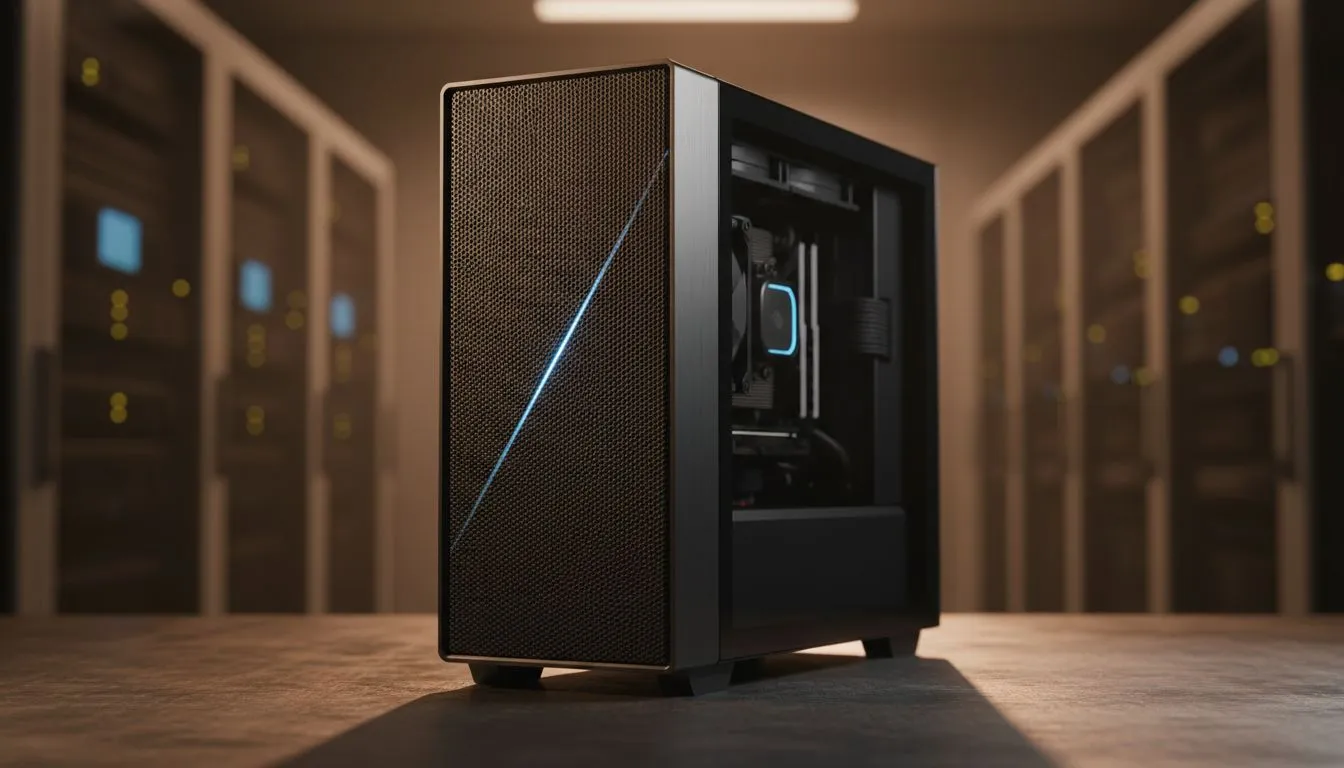
At its core, an airflow front panel PC case ditches a solid piece of plastic or glass for a perforated or mesh design. Think of it as giving your PC a massive pair of lungs. Instead of tiny side vents desperately trying to gasp for air, a mesh front panel allows your intake fans to pull in a huge volume of cool, fresh air directly over your hottest components… your graphics card and CPU.
This design philosophy is a direct response to the powerful, heat-generating hardware we use today. While older cases looked sleek, they often created an oven-like environment. A modern case with good airflow ensures your expensive parts get the cooling they need to thrive. You can browse a wide variety of modern computer cases to see the difference for yourself.
The Real-World Benefits of Better Airflow ⚡
So, why does this matter for your gaming experience in South Africa? The benefits are tangible and immediate.
- Better Performance: When your CPU and GPU run cooler, they are less likely to "thermal throttle"—a safety feature where they automatically slow down to prevent overheating. A high-airflow case helps you get the full frame rate you paid for.
- Longer Component Lifespan: Heat is the number one enemy of electronics. Consistent, effective cooling reduces wear and tear, potentially extending the life of your entire system.
- A Quieter Rig: It might sound counterintuitive, but better airflow can lead to a quieter PC. 🤫 When components are cool, your system fans don't need to spin at maximum RPM. This means less noise, even under heavy load. Brands like Fractal Design are masters at balancing whisper-quiet operation with excellent thermal performance.
Dust Defence Pro Tip 🔧
An airflow case is great for cooling, but it can pull in more dust. Most quality mesh cases come with removable dust filters on the front, top, and bottom. Make it a habit to clean these filters every month or two with a soft brush or compressed air. A clean filter means maximum airflow and a cleaner PC interior!
Aesthetics vs. Performance: You Can Have Both
Years ago, choosing an airflow case meant settling for a boring black box. Not anymore. Today, manufacturers have perfected the art of integrating mesh panels into stunning designs. You can find an airflow front panel PC case with beautiful tempered glass side panels, integrated RGB lighting that shines through the mesh, and sleek, modern lines.
You no longer have to sacrifice style for substance. Many modern chassis, like the popular Gamdias gaming cases, are built from the ground up to look incredible while providing top-tier cooling. The mesh itself becomes a key part of the aesthetic.
Is a High-Airflow Case Right for Your Build?
For the vast majority of PC builders and gamers, especially in warmer parts of South Africa, the answer is a definite yes. If you're running a modern gaming GPU like an NVIDIA RTX 40-series or an AMD Radeon RX 7000-series, a case with a mesh front panel isn't just a recommendation… it's almost a requirement for optimal performance.
And you don't need to break the bank to get great cooling. The benefits of a high-airflow design are just as important for a budget build, ensuring your components can work their hardest. There are fantastic, budget-friendly Gamdias cases under R1500 that offer brilliant thermal performance without emptying your wallet.
Ready to Give Your PC a Breath of Fresh Air? A cooler PC is a faster, quieter, and longer-lasting PC. Choosing an airflow front panel case is one of the smartest upgrades you can make. Explore our massive range of PC cases and find the perfect chassis to unleash your hardware's true potential.