Building a high-end PC in South Africa means fighting a constant battle against ambient heat. Whether you are gaming in the humid coastal air or the dry heat of the Highveld, thermal management is vital. When looking at an Aluminum vs Copper Radiators: AIO Guide for South African Builders, understanding the metal inside your cooler determines your system's longevity. Let's break down which material suits your budget and performance needs. 🔧
Thermal Conductivity and the Copper Advantage
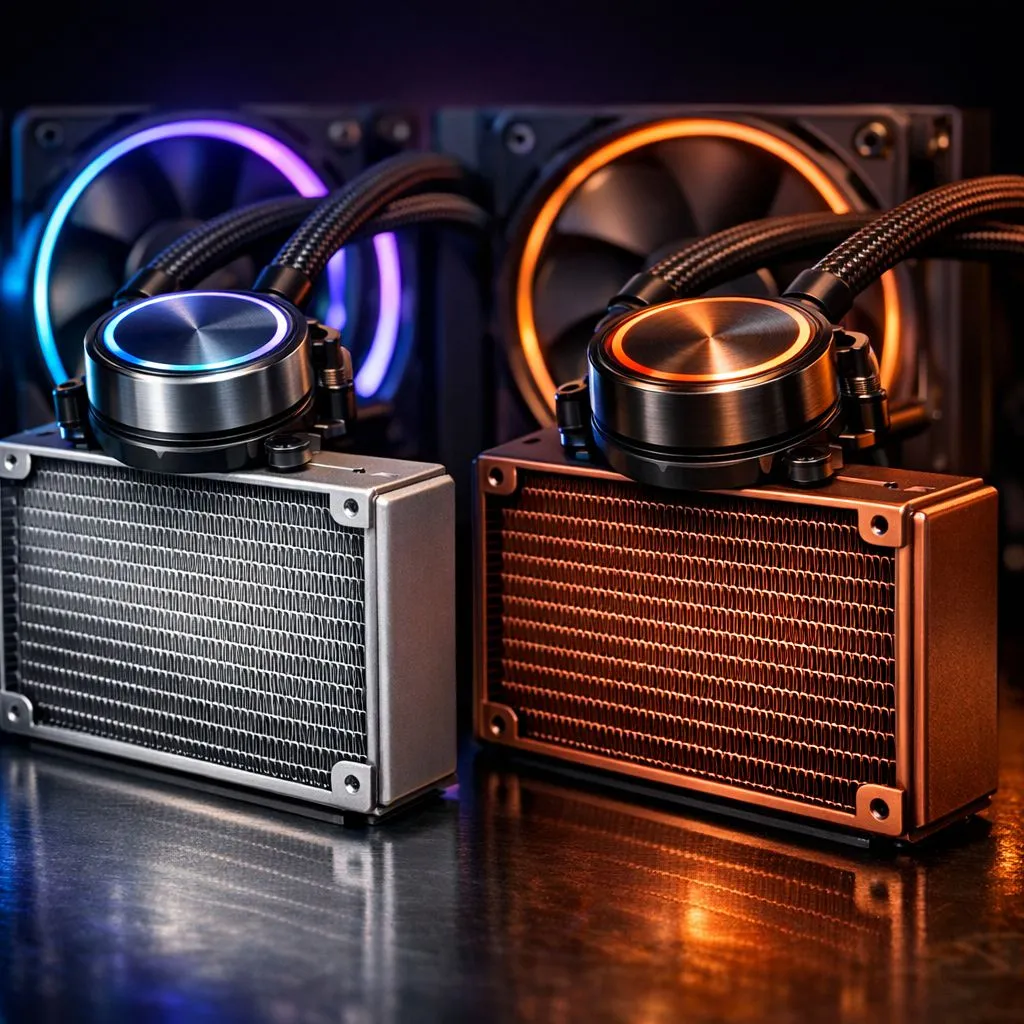
Copper is the king of heat transfer. It has a thermal conductivity nearly double that of aluminum. This means heat moves from your CPU into the liquid loop much faster. However, pure copper radiators are rare in the All-In-One market. They are usually reserved for custom loops or premium CPU coolers that demand a higher price tag in ZAR. For most users, the difference in degrees is often offset by fan speed and pump efficiency.
Why Most AIOs Use Aluminum
If copper is better, why do most brands use aluminum? The answer is weight and cost. Aluminum is significantly lighter and easier to manufacture. This keeps the price of a Liquid Cooler (AIO) affordable for the average South African gamer. Brands like CORSAIR have mastered the art of using high-density aluminum fins to bridge the performance gap... ensuring your i7 or Ryzen 7 stays well within safe limits during a summer gaming session. ⚡
Preventing Corrosion in Your Loop
A common concern for builders is galvanic corrosion. This happens when two different metals... like a copper cold plate and an aluminum radiator... interact through the liquid. Manufacturers prevent this by using specialized coolants with anti-corrosive inhibitors. This is why you should never top up your AIO with tap water. High-quality options from Deepcool come factory-sealed to ensure these inhibitors stay effective for years.
Radiator Maintenance Pro Tip ⚡
Dust is the silent killer of South African PCs. Every three months, use a can of compressed air to blow out the dust trapped between your radiator fins. This simple step can lower your CPU temperatures by 5 to 10 degrees Celsius during a heavy gaming session, especially in dusty environments like Johannesburg.
Choosing the Right Radiator Size for Your Case
Metal choice is only half the battle. Surface area is the other. If you are running a high-wattage chip like a Core i9 or Ryzen 9, a 360mm Radiator is the gold standard. It provides enough space to dissipate heat even when the room temperature climbs above 30 degrees. For mid-range builds or compact setups, a 240mm Radiator offers a great balance between cooling power and case compatibility. 🚀
Optimise Your Airflow
Remember that the radiator metal only works if there is fresh air moving through it. Ensure your case fans are configured to pull cool air from the outside or push hot air out efficiently. In South Africa, we often recommend a "positive pressure" setup to help keep dust from entering every small crack in your chassis. By choosing the right radiator and keeping it clean, your gaming rig will survive many more summers to come. ✨
Ready to Find Your Perfect Match? The Aluminum vs Copper Radiators: AIO Guide for South African Builders highlights that the right choice depends on your specific build and budget. For maximum cooling efficiency and the best hardware deals in South Africa, we have you covered. Explore our massive range of liquid coolers and find the perfect unit to keep your PC running icy cold.