

Best RTX 5090 Under R12000 in South Africa 2026
Top RTX 5090 Under R12000 picks evaluated on performance, value & SA availability with current Rand pricing from Evetech.
Read moreWondering if ARGB fans are worth it for your South African PC build? We compare airflow, noise, wiring, and controller options so you can choose smarter—and look better. ✨🔧
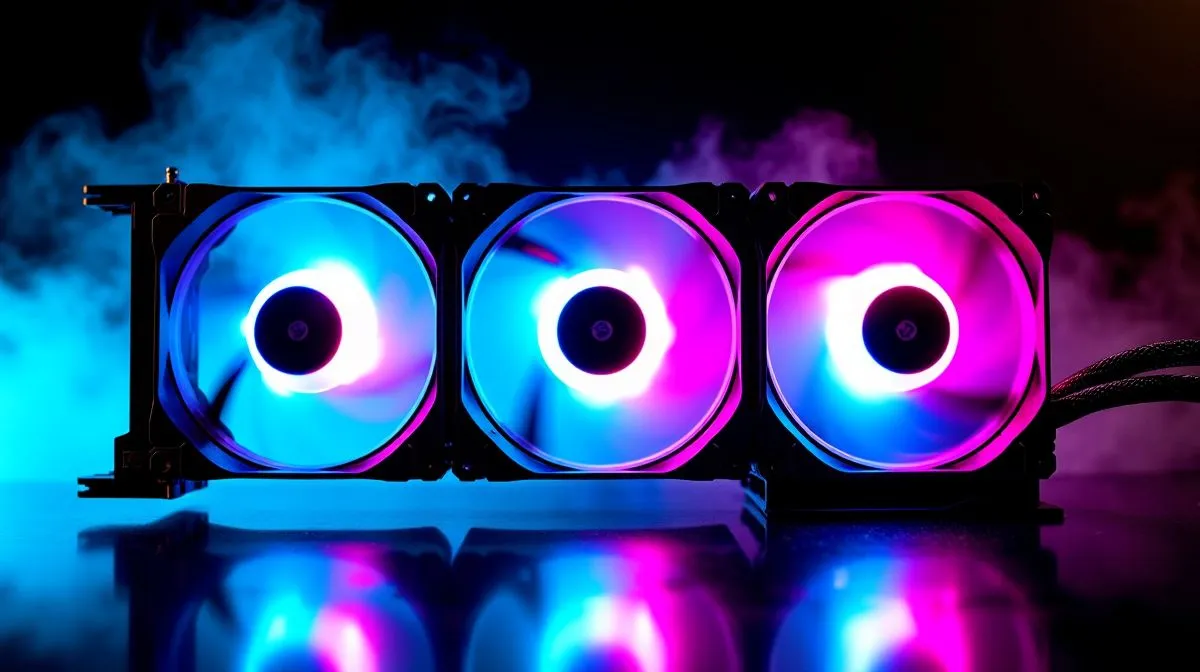
If you’re building in South Africa, your PC has to do two jobs... look good on the desk, and stay cool under load. ARGB fans promise both, but are they actually worth the extra spend? The short answer: sometimes yes, sometimes no. The longer answer depends on your case airflow, your fan controller setup, and whether you’re chasing aesthetics or performance first 🔧.
In this guide, we’ll break down whether ARGB fans are worth it for South African PC builds, so you can buy with confidence... not regret.
ARGB (addressable RGB) is mostly about lighting control per fan. Performance comes from fan design: blade shape, airflow (CFM), static pressure, and how well your case channels air. Lighting can be a bonus, but it shouldn’t be the main reason you choose a fan.
At Evetech, you can shop case fans and filter by common traits like RGB lighting effects and fan size. That’s useful because it helps you match your build’s airflow needs first, then add visuals ✨.
For most gamers, the “worth it” test is simple:
If your temps are already solid, ARGB becomes a “nice to have”. If your case is struggling to keep the CPU GPU stable, spend on cooling first... then light later.
Before clicking “add to cart”, check three things:
On Windows, use your motherboard’s lighting software (or a supported RGB controller app) to set a calmer profile for your PC at night. Lower brightness reduces eye strain and still lets you enjoy the effect without turning your setup into a disco every time you raid."
Let’s talk practical buying. Instead of guessing, filter by lighting and size, then compare the build layout.
For example, if you want a balanced look and decent coverage, many builds use a mix of sizes depending on case support. If your case supports 140mm mounts, it can be easier to hit quiet airflow with fewer RPMs.
Here’s how you can explore options quickly on Evetech:
We’ve seen it happen. A player grabs ARGB fans for the clean glass-panel look, installs them, and… the PC is still warmer than expected. Why? The fan layout wasn’t optimised, and the case airflow path was fighting them. When they reworked intake vs exhaust and then added lighting later, the build felt better instantly. Lighting wasn’t the problem. Airflow was.
So yes, ARGB fans can be worth it... but only after your cooling basics are sorted ✅.
ARGB fans are worth it if:
Skip ARGB if:
Ready to make the smartest choice? Build your cooling first, then let the LEDs finish the job ✨.
Ready to Find Your Perfect Match? The Mac vs Windows debate is complex, but for maximum power, choice, and value in South Africa, Windows is hard to beat. Explore our massive range of laptop specials and find the perfect machine to conquer your world.
ARGB fans can improve aesthetics without hurting performance, but value depends on airflow, fan speeds, and your controller setup—not the lighting alone.
Not necessarily. Compare CFM and static pressure first. Many ARGB models match non-ARGB specs when they use similar fan motors.
Aim for a balanced intake and exhaust layout, then choose fans with reliable airflow figures. Pair them with an ARGB controller compatible with your board.
ARGB typically supports individual addressable LEDs for more effects, while RGB is usually simpler. Both can be great if airflow and noise match your needs.
Often yes, depending on your motherboard ARGB header count. Check your board headers and the fan hub/controller included before buying.
Most builds use a 3-pin ARGB signal header plus SATA or hub power. Planning cable routing early prevents a messy, unreliable setup.
Noise depends on RPM, blade design, and bearing quality. Look for quiet argb fans with strong airflow at lower RPM for smoother gaming temps.
Choose the best argb fans for airflow by comparing CFM or static pressure, then match the lighting style and software support for clean effects.
Top RTX 5090 Under R12000 picks evaluated on performance, value & SA availability with current Rand pricing from Evetech.
Read more
When Will the RTX 6090 Launch in South Africa Detailed answer with SA data, expert analysis & practical recommendations for local buyers.
Top Valorant Settings for RTX 5070: FPS Optimisation picks evaluated on performance, value & SA availability with current Rand pricing from Evetech.
RDNA 3.5 Graphics in Ryzen AI 400? Can You Game. Plain-English explanation of what it means, why it matters & how it affects your buying decisions in SA.
GPU Price Index : December Report. Current stock data & price tracking for SA buyers. See what is available and where prices are heading.

Core i5-14600K + B760 + RTX 5060 Build Under. Full parts list, Rand pricing & expected performance. Build confidently with SA-available components.
RX 7600 Apex Legends at 4K: FPS Benchmark. Real-world benchmark data, FPS numbers & performance analysis. What SA gamers can actually expect.
RX 7900 XTX GTA 6 at 4K: FPS Benchmark & Optimal. Real-world benchmark data, FPS numbers & performance analysis. What SA gamers can actually expect.
Head-to-head comparison of RTX 5070 vs RX 9070 XT: Gaming Performance for SA gamers. Performance benchmarks, Rand pricing & which delivers better value.
GPU Setup Guide Gamers. Clear setup instructions with SA-specific considerations, troubleshooting tips & recommended components.
Top RTX 5090 Under R12000 picks evaluated on performance, value & SA availability with current Rand pricing from Evetech.
Call of Duty Warzone 2 Settings on RX 7600. Real-world benchmark data, FPS numbers & performance analysis. What SA gamers can actually expect.
GTA 6 Settings on RTX 5070 Ti: Performance. Real-world benchmark data, FPS numbers & performance analysis. What SA gamers can actually expect.