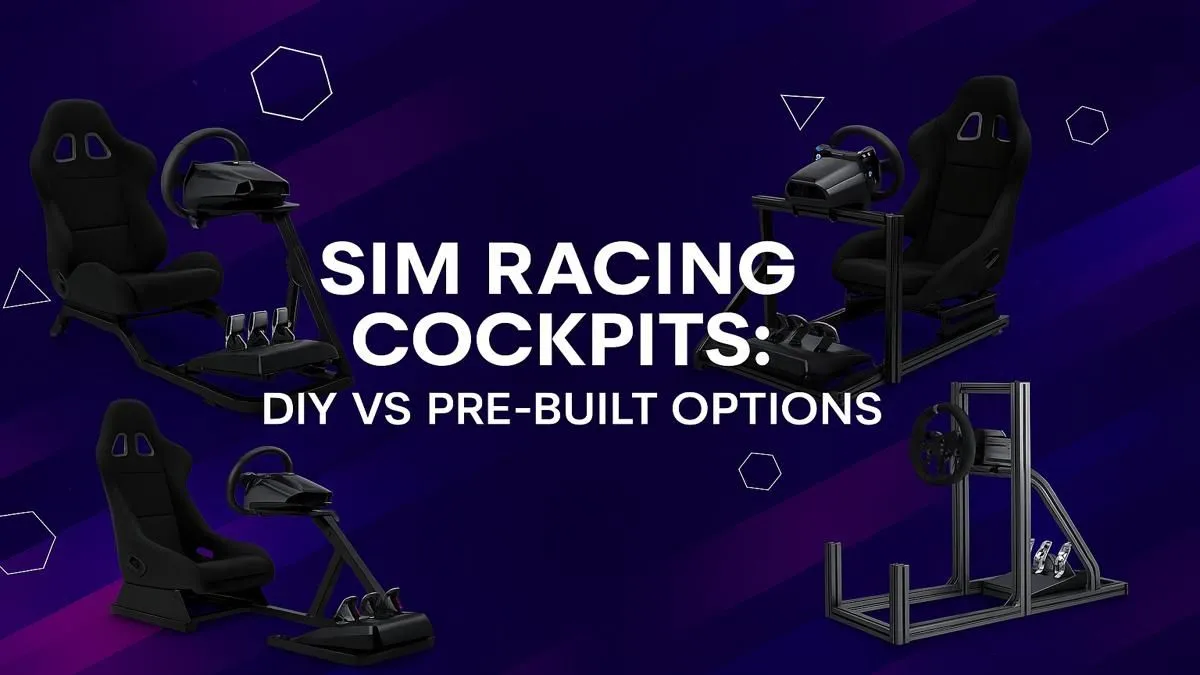
So, you're tired of your racing wheel clamped to a wobbly desk. Your office chair scoots back under heavy braking, and the immersion is just… gone. You know it's time for an upgrade, a proper throne for your virtual track days. But this brings every aspiring South African sim racer to a critical crossroad: do you tackle a DIY sim racing cockpit, or invest in a pre-built rig? Let's find the pole position for you.
The Case for a DIY Sim Racing Cockpit ����
Building your own sim rig is a rewarding journey for the hands-on gamer. The biggest drawcard? Unmatched customisation. You get to design a cockpit that fits your body, your room, and your specific gear like a glove. Whether you're using wood from the local hardware store or welding a steel frame, the final product is uniquely yours.
The debate of a DIY sim racing cockpit vs pre-built often comes down to budget. If you have the tools, skills, and a solid plan, a DIY build can save you a significant amount of cash. You control the material costs and can build in phases. Plus, the bragging rights that come with building your own setup are priceless. The downside? It demands time, patience, and a bit of technical know-how. A poorly planned project can quickly become more expensive and frustrating than buying a ready-made solution.
The Allure of a Pre-Built Sim Rig 🏁
For many, the goal is to get racing as quickly as possible with zero fuss. This is where pre-built cockpits shine. Brands have invested heavily in research and development to deliver ergonomic, ultra-rigid frames that are tested for compatibility with popular hardware. When you buy a rig from a trusted name like the ones you'll find in our range of Playseat chairs, you're buying peace of mind.
Assembly is usually straightforward, with clear instructions and all the necessary bolts included. You can go from box to track in an afternoon. While the initial cost is higher, you're paying for convenience, professional engineering, and guaranteed stability. For those who value their time and want a proven solution, a pre-built sim racing cockpit is the clear winner.
Measure Twice, Race Once 📏
Before you buy or build, map out your space. Use masking tape on the floor to mark the footprint of your potential rig, including the seat, pedal plate, and monitor stand. Remember to account for getting in and out of the seat easily. This simple step can save you a world of frustration and ensure your new cockpit fits perfectly in your gaming den.
Key Factors: Cost, Time, and Your Gear
Deciding between a DIY sim racing cockpit vs a pre-built one ultimately depends on your personal priorities.
Cost vs. Value 💸
A DIY rig might seem cheaper upfront, but costs can spiral with mistakes, tool purchases, and material price hikes. A pre-built rig has a fixed cost, representing a complete, engineered package. Consider the long-term value... a solid, professionally made frame will last for years and often has better resale value.
Time vs. Experience
How much is your free time worth? Building your own sim rig is a fantastic project, but it's a project nonetheless. A pre-built cockpit gets you racing immediately. If your weekends are precious, the convenience of a ready-to-assemble kit is hard to beat.
The Heart of the Rig
Remember, the cockpit is the skeleton. The real magic happens with your wheel, pedals, and shifter. Whether you build or buy, ensure your chosen frame is rigid enough to handle the powerful force feedback from high-quality gear. Components from brands like Thrustmaster deliver incredible realism, but they need a rock-solid base to perform at their best. A flimsy cockpit will flex and creak, ruining the immersion.
The Verdict: Which Cockpit is Right for You?
There’s no single right answer, only what’s right for your racing career.
If you're a tinkerer who loves a good project, has the necessary skills, and wants a setup tailored to your exact specifications, the DIY sim racing cockpit is an incredibly fulfilling path.
If you're a serious racer who wants to maximise track time with a proven, stable, and ergonomic solution without the hassle, a pre-built sim racing cockpit is a wise investment that will serve you for countless seasons to come.
Ready to Find Your Perfect Driving Position?
Whether you're looking for a complete plug-and-play solution or the high-performance gear to mount on your custom build, the right setup is waiting. Explore our massive range of sim racing gear and find the perfect hardware to chase those podium finishes.