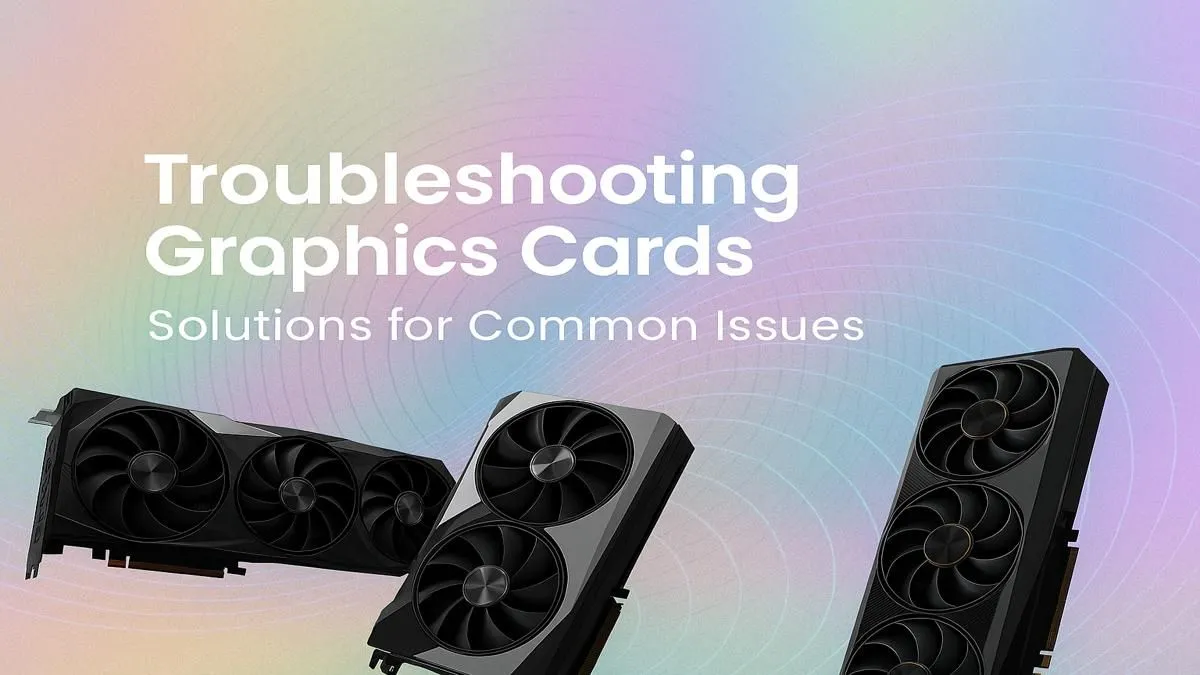
Nothing sinks that Friday-night gaming mood faster than a black screen, stuttering frames, or weird visual glitches. Your beastly PC suddenly feels like a dud. Before you panic-buy a new rig, take a breath. Most GPU gremlins can be banished with a bit of smart graphics card troubleshooting. This guide will walk you through the most common fixes, from simple cable checks to deeper software tweaks, helping you get back in the game. 🚀
Initial Checks: The Simple Stuff First
Before diving into complex software fixes, let's cover the basics of GPU troubleshooting. You'd be surprised how often the solution is a simple physical one. These initial steps can save you hours of frustration.
Check Your Connections
Is everything plugged in properly? It sounds obvious, but loose cables are a top culprit.
- Display Cable: Ensure your HDMI or DisplayPort cable is securely connected to both your graphics card and your monitor. Try a different port on your GPU if you have one.
- Power Connectors: Modern graphics cards need dedicated power directly from the PSU. Check that the 6-pin or 8-pin PCIe power connectors are clicked firmly into place on the card.
- PCIe Slot: Make sure the graphics card itself is fully seated in the motherboard's PCIe slot. The retention clip should be locked.
Safety First! ⚡
Before you open your PC case and touch any components, make sure you've switched off the power at the wall and discharged any static electricity. You can do this by touching a large metal object, like the metal part of your PC case (while it's still unplugged). This prevents static shock from damaging your sensitive electronics.
Diving into Software and Driver Fixes
If your physical connections are solid, the problem likely lies with your software or drivers. This is where most graphics card troubleshooting happens. Outdated, corrupt, or conflicting drivers are responsible for a huge range of issues, from poor performance to full-on crashes.
The Driver Dance
Your graphics card driver is the crucial piece of software that lets your GPU talk to your operating system and games. Keeping it updated is vital.
- Clean Installation: Sometimes, just installing a new driver over an old one isn't enough. For a truly fresh start, use a tool like Display Driver Uninstaller (DDU) to completely remove all traces of old drivers. Then, download the latest version directly from the manufacturer's site. This ensures no corrupt files are left behind to cause chaos.
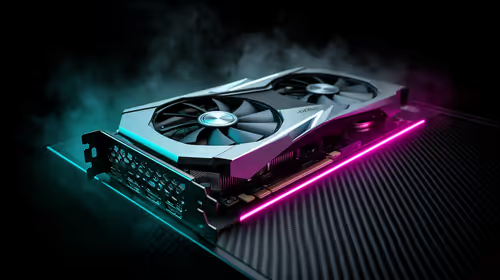
- Find Your Update: Whether you're running Team Green or Team Red, installing the correct driver is key. If you're considering an upgrade, you can browse the specs and features of the latest NVIDIA GeForce graphics cards to see what's new. Likewise, it's always good practice to see what the current generation of AMD Radeon GPUs offer in terms of driver support and features.
Overheating and Performance Tweaks
Is your PC case getting a bit too toasty? 🔥 Overheating can cause your GPU to throttle (slow itself down) to prevent damage, leading to stuttering and crashes. Use monitoring software like MSI Afterburner or HWMonitor to check your GPU temperatures while gaming. If it's creeping above 85°C, you may need to improve your case airflow or clean dust from your GPU's fans.
When It Might Be Time for an Upgrade
You've checked the cables, reinstalled the drivers, and your temps are fine... but you're still seeing weird graphical artifacts or getting black screens. Unfortunately, this can be a sign of a hardware fault. Issues like "space invaders" (random blocks of colour) or persistent screen tearing often point to failing VRAM or a dying GPU core.
While some advanced repairs are possible, they are often not cost-effective. Sometimes, the most practical solution is to accept that your trusty card has served its tour of duty. If your graphics card troubleshooting leads you to this conclusion, it might be the perfect excuse to check out some of the best graphics card deals and give your rig a well-deserved performance boost.
Ready for a Real Performance Boost? Graphics card troubleshooting can be tough, and sometimes the best fix is a fresh start. For the ultimate leap in frame rates and visual quality, a new GPU is unbeatable. Explore our massive range of graphics card specials and find the perfect engine for your gaming world.