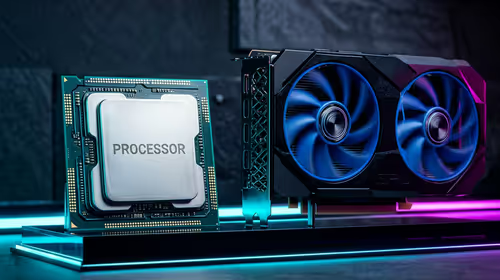
So, you’ve just invested in a beast of a graphics card. That brand-new RTX 4080 or 4090 is sitting on your desk, promising insane frame rates and glorious visuals. But before you slot it into your rig, there’s a crucial question: can your PC case handle the heat? In South Africa’s climate, stuffing a top-tier GPU into a sealed-off box is a recipe for thermal throttling and disappointment. Let's talk about why high airflow PC cases are essential.
Why Your Powerful GPU is a Miniature Heater 🔥
Modern top-tier GPUs are performance monsters, but that power comes at a cost: heat. A high-end graphics card can easily draw over 300-450 watts under load. Nearly all of that energy is converted into heat that needs to be expelled from your PC.
When a GPU gets too hot, it automatically reduces its performance to protect itself. This is called thermal throttling. Ever been in a tense firefight in Warzone only to see your frame rate suddenly tank? That might not be server lag... it could be your GPU gasping for cool air. Without proper ventilation, your expensive hardware will never reach its true potential. Providing your components with a steady stream of fresh air is the foundation of a stable, high-performance build, and it all starts with a great selection of computer cases.
The Unmistakable Advantage of High Airflow
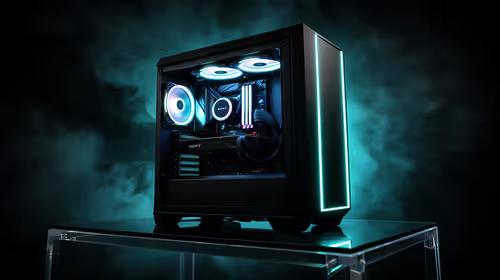
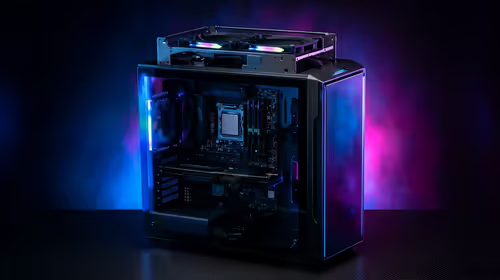
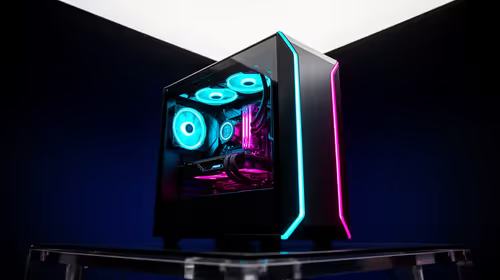
For years, some PC cases prioritised sleek, solid panels over ventilation. While they looked clean, they often created an oven for your components. Today, the philosophy has shifted. High airflow PC cases are designed with one primary goal: achieving maximum cooling efficiency.
These chassis typically feature:
- Mesh Front & Top Panels: Instead of solid plastic or glass, they use perforated metal mesh to allow air to be pulled in and pushed out with minimal restriction.
- Strategic Fan Mounts: They offer multiple locations for intake and exhaust fans, creating a clear and effective wind tunnel through the case.
- Spacious Interior: Ample room around the GPU and CPU cooler prevents hot air from getting trapped.
Brands like Cooler Master have perfected this approach, engineering cases that feed your components the cool air they desperately need to perform at their peak.
PC Cooling Pro Tip 🔧
Aim for 'positive pressure' inside your case. This means having slightly more air being pulled in by intake fans than pushed out by exhaust fans. This simple setup helps prevent dust from being sucked in through unfiltered gaps and ensures a constant supply of cool air is flowing over your hottest components.
What to Look For in a Maximum Cooling Chassis
Choosing the right airflow case isn't just about picking the one with the most holes. You need to consider how it fits with the rest of your build.
Key Features for Peak Performance
- Unrestricted Intakes: A full mesh front panel is the gold standard for high airflow PC cases. Avoid designs with only small side vents.
- Fan & Radiator Compatibility: Check how many fans the case supports and their size (usually 120mm or 140mm). If you plan on using an All-in-One (AIO) liquid cooler, confirm the case has radiator mounts in the size you need (e.g., 240mm, 280mm, or 360mm). Brands like Gamemax and TRYX Gaming Cases offer a fantastic variety of options to suit different cooling setups.
- GPU Clearance: This is critical. Modern GPUs are massive. Check the case's spec sheet for the maximum GPU length, and also consider its width. A little extra space goes a long way. Even a compact chassis like the Cooler Master E301 Mini Tower is designed to maximise airflow in a smaller footprint.
It's Not Just Performance... It's Protection ✨
Ultimately, providing your components with maximum cooling does more than just boost your frame rates. Consistently running your hardware at lower temperatures can significantly extend its lifespan. Heat is the enemy of all electronics.
Think of a high-quality airflow case not as an expense, but as an investment. It’s the insurance policy that protects your most valuable components, ensuring you get every drop of performance you paid for, for years to come. Don't let your dream build be suffocated by a bad case. Let it breathe.
Ready to Unleash Your GPU's Full Potential?
A top-tier GPU deserves a case that can keep it cool under pressure. Don't let thermal throttling steal your performance. Explore our massive range of PC cases and find the perfect high-airflow chassis to protect your investment.