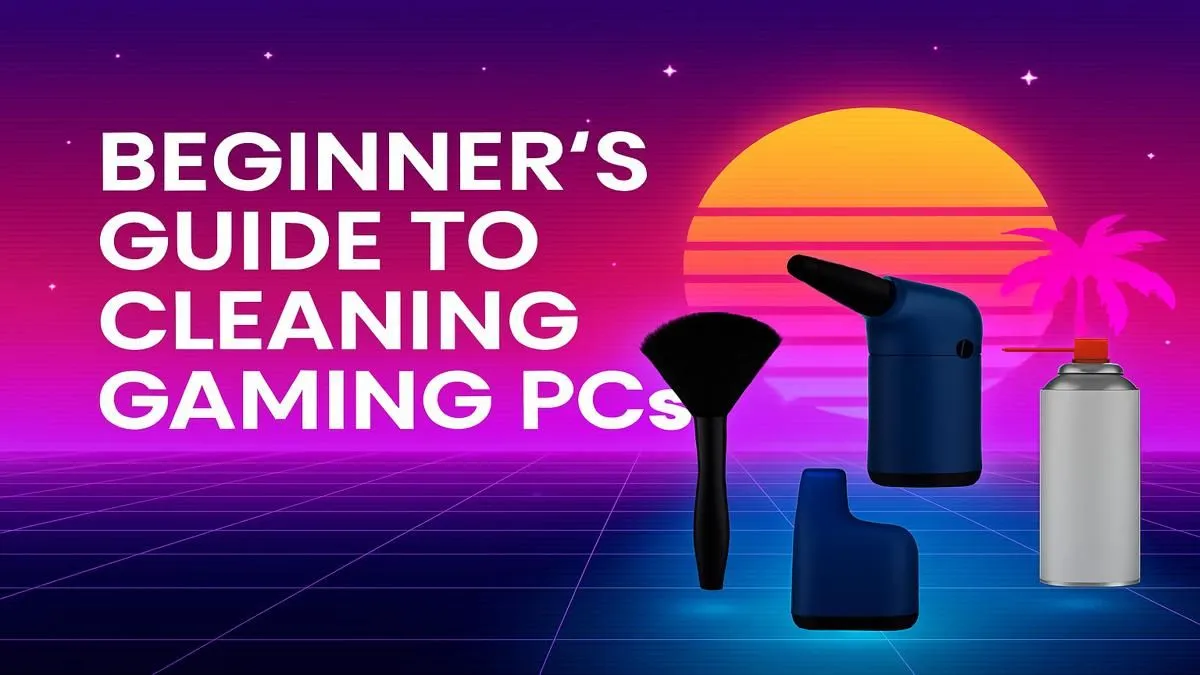
Is your gaming PC running hotter than a Durban summer day? Or maybe the fans sound like a vuvuzela during a load shedding power-up? That’s not just noise… it’s a cry for help. Dust is the number one enemy of performance, clogging fans and choking components. Learning how to clean a gaming PC is the most crucial maintenance skill you can have. It’s simple, satisfying, and keeps your rig running at peak performance for years.
Why You Must Clean Your Gaming PC
Dust buildup is more than just ugly; it’s a performance killer. It acts like a blanket, trapping heat and forcing your fans to work overtime. This leads to thermal throttling, where your CPU and GPU slow down to avoid overheating. The result? Lower frame rates, system instability, and a shorter lifespan for your precious components.
Regularly cleaning your gaming PC can literally bring it back to life, restoring lost performance and ensuring it stays quiet. This is true whether you're rocking one of our affordable budget gaming PCs or a top-tier beast. A clean machine is a happy machine. 💨
Your PC Cleaning Toolkit 🔧
Before you open that side panel, let’s get your gear sorted. You don’t need a fancy lab, just a few key items.
- Compressed Air: The MVP. A can of compressed air is perfect for blasting dust out of tight spaces.
- Isopropyl Alcohol (90%+): For cleaning thermal paste or stubborn grime. Use sparingly.
- Microfibre Cloths: Soft, lint-free, and perfect for wiping down surfaces without scratching them.
- Soft Brushes: An old, clean paintbrush or a set of anti-static brushes works wonders for dislodging caked-on dust.
- Screwdriver Set: You’ll need a Phillips head screwdriver for most case and component screws.
- A Well-Lit, Ventilated Area: Preferably outside or near a window to avoid breathing in a dust cloud.
A Beginner's Step-by-Step PC Cleaning Guide
Ready to get started? This guide on how to clean a gaming PC will walk you through the process safely. Take your time, be gentle, and your PC will thank you for it.
Step 1: Power Down and Prep
This is the most important step. Don't skip it.
- Shut Down Completely: Don't just put it to sleep. Go to Start > Power > Shut down.
- Unplug Everything: Disconnect the power cable from the wall socket first, then from the PC. Unplug all your peripherals—monitor, keyboard, mouse, etc.
- Ground Yourself: Touch a large metal object (like your unplugged PC case) to discharge any static electricity. Static can kill components.
Step 2: Clean the Exterior
Start from the outside in. Use a slightly damp microfibre cloth to wipe down the case panels, top, and front. Pay special attention to mesh panels and vents where dust loves to gather. If you have removable dust filters, pop them out, give them a good rinse under a tap, and let them dry completely before putting them back.
Pro Tip: Canned Air Safety ⚡
When using compressed air, always hold the can upright to prevent the liquid propellant from spraying out and damaging your components. Use short, controlled bursts from about 15-20 cm away. Never use a vacuum cleaner inside your PC; the static it generates can be fatal for your hardware!
Step 3: The Deep Clean Inside
Now for the fun part. ✨ Open up your case (usually by removing two screws on the back of the side panel).
- Fans First: Use your compressed air to blow dust out of your case fans, CPU cooler, and GPU fans. Use a soft brush or a finger to gently hold the fan blades still while you spray to prevent them from spinning too fast.
- GPU and Motherboard: Carefully blow dust off the surface of your graphics card and motherboard. For stubborn dust, use your soft brush to gently loosen it before blowing it away. This process is vital for all machines, from the most accessible powerful PCs under R20k to the most complex custom builds.
- Nooks and Crannies: Blow out the power supply unit (from the outside fan vent), drive bays, and any corners where dust has settled. The goal is to get the bulk of the dust out of the case.
A clean PC doesn't just perform better; it looks amazing, especially if you have a tempered glass side panel showcasing your hardware. It's a key part of owning any of the pre-built PC deals available today.
Maintaining Your Rig For The Long Haul
Cleaning your gaming PC isn't a one-time job. Aim to do a light dusting every 3-4 months and a deep clean like this one every 6-12 months, depending on how dusty your environment is.
This simple maintenance routine ensures that whether you've invested in one of the latest high-performance rigs over R20k or built your own machine, you're getting the absolute best performance and lifespan out of it. If you ever feel like your old rig is just not cutting it anymore, even after a thorough clean, you can always find incredible value in our range of the best gaming PC deals in South Africa.
Is Your Old Rig Beyond a Simple Clean? Sometimes, even the best clean can't fix old hardware. If it's time for an upgrade that runs cool and quiet from day one, we've got you covered. Explore our massive range of PC deals and find the perfect machine to conquer your world.