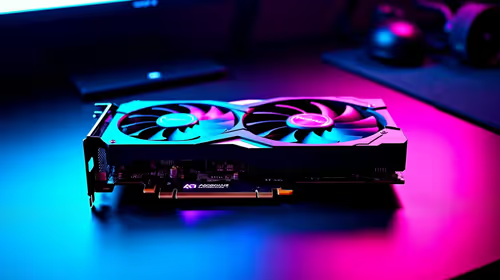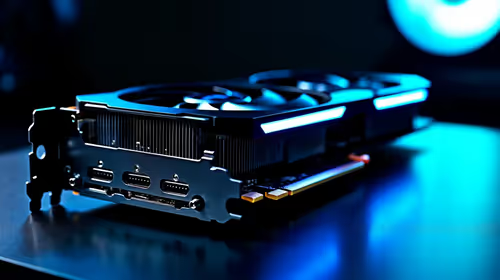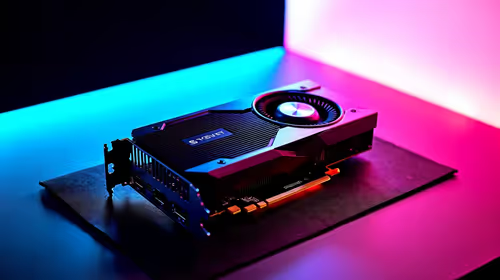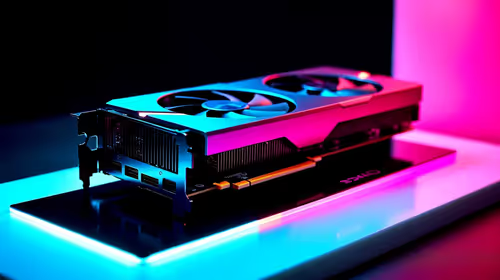
So, you’ve just unboxed a beast of a graphics card. The sheer size of that new RTX 40-series GPU is breathtaking… until you glance at your sleek, compact PC case. Suddenly, a wave of doubt hits. Will it even fit? And if it does, will it snap your motherboard in half? 😱 Don't panic! Mounting a heavy GPU in a compact case is totally doable with the right approach. Let's get your rig sorted, safely.
## First, Measure Everything... Twice
Before you even touch a screwdriver, grab a measuring tape. The biggest mistake builders make is assuming their new card will fit. You need to check three critical dimensions provided by both your case and GPU manufacturer:
- Length: This is the most obvious one. Will the card be blocked by front fans or drive cages?
- Height: How far does the card extend "up" from the PCIe slot? Will it hit the side panel?
- Width: How many slots will it occupy? Most high-end GPUs are 2.5 to 4 slots wide, blocking other potential expansion cards.
Checking these specs beforehand saves you a world of frustration. Safely installing a large graphics card starts with confirming it has a home to go to.
## The Art of Securing a Heavy GPU and Preventing Sag
Once you've confirmed the fit, the next challenge is gravity. A heavy GPU puts immense strain on the PCIe slot over time, leading to the dreaded "GPU sag." This isn't just a cosmetic issue; it can damage the card and your motherboard. 🔧
Here’s how to secure your GPU properly:
- Align Carefully: Gently insert the card into the primary PCIe x16 slot. You should feel and hear a distinct "click" as the retention clip locks into place.
- Screw It In: Secure the GPU's mounting bracket to the back of the case with the provided thumbscrews. Don't skip this! These screws bear a significant amount of the weight.
- Support the End: This is the most crucial step for a heavy card. You need to prop up the far end of the GPU. While some premium motherboards have reinforced PCIe slots, an external support is the best insurance.
Pro Tip to Beat the Bend ⚡
A dedicated GPU support bracket or anti-sag stand is the best solution. They are adjustable and designed for this exact purpose. In a pinch, a carefully measured stack of LEGOs or a small, sturdy figurine placed on your PSU shroud can also work wonders to prevent sag while you wait for a permanent solution.
## Choosing a Compact Case That’s Ready for Big Cards
Not all small cases are created equal. Modern chassis design has evolved, and many compact Micro-ATX and even some Mini-ITX cases are now built with massive GPUs in mind. When shopping, look for features like a vertical GPU mounting option (which eliminates sag entirely) or a highly modular interior.
For example, the Cooler Master E301 Mini-Tower offers surprising compatibility in a small footprint. Brands like Cooler Master focus on smart internal layouts. Exploring Cooler Master's range of cases or checking out popular options like Gamemax computer cases reveals plenty of compact choices that don’t compromise on component space.
Ultimately, the success of mounting a heavy GPU in a compact case comes down to planning. A few minutes of measuring and choosing the right chassis can save you hours of trouble and protect your investment. With the right support, your powerful new GPU will be the star of your build, not a stress point. ✨
Ready to start your next build on the right foot? Check out Evetech's full range of PC cases to find the perfect foundation.
Ready to Build Without the Bend? A solid case is your PC's foundation. Don't let GPU sag ruin your dream rig. Explore our massive range of PC cases and find the perfect chassis to house your components securely.