Building a dream PC in South Africa isn't just about picking the fastest GPU or the flashiest RGB lighting. It's about stability. If you don't accurately calculate your PC power requirements, your high-end rig could become an expensive paperweight during an intense gaming session. Whether you're dodging load-shedding or pushing frames in 4K, getting your power supply unit (PSU) right is the foundation of every successful build ⚡.
Why You Must Calculate Power for Your Dream PC First
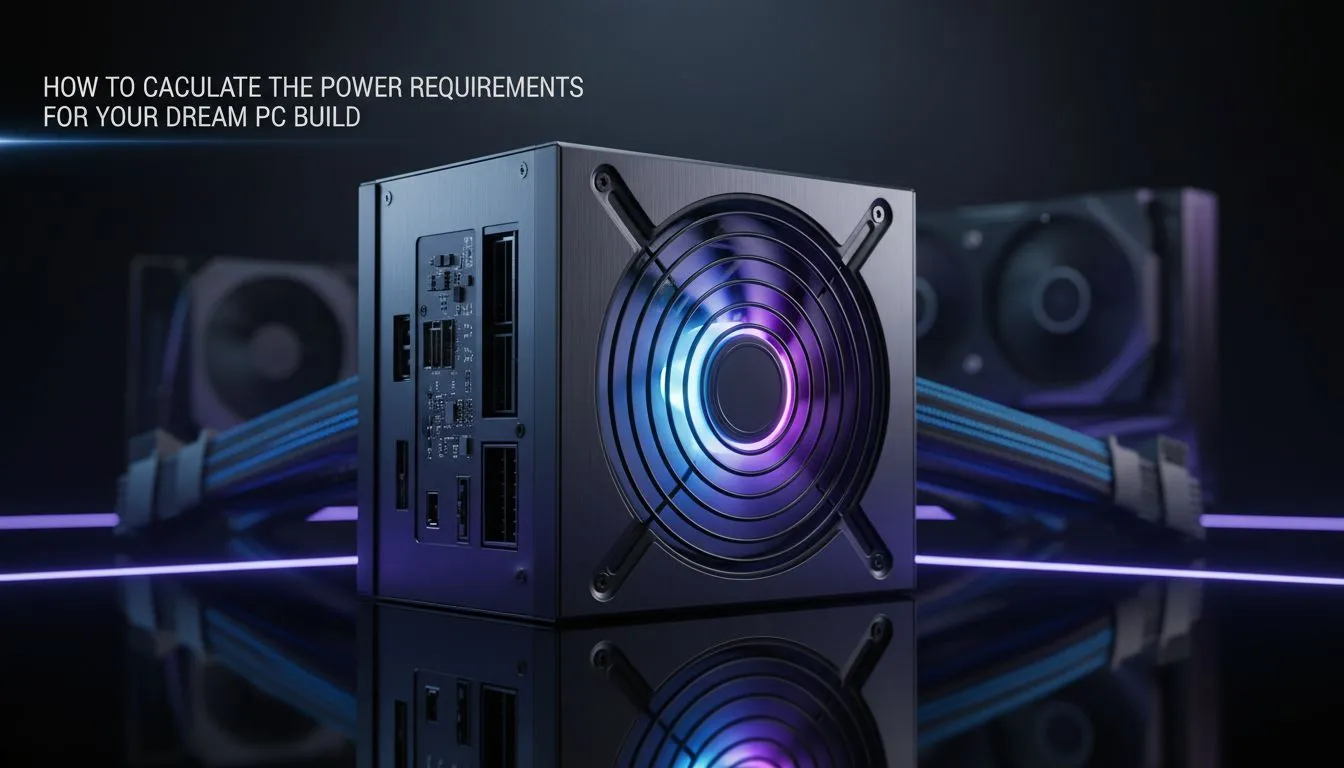
Every component in your chassis has a specific TDP (Thermal Design Power) rating. This indicates how much heat it generates and, by extension, how much power it draws. Your CPU and GPU are the biggest "power hogs" in the system. For enthusiasts looking at high-performance components, choosing premium Corsair power supplies ensures that your hardware receives clean, consistent voltage. If you undershoot your wattage, you risk random shut-downs or even permanent hardware damage.
The Buffer Rule for Longevity
When you calculate power for your dream PC, never aim for the exact total. If your parts add up to 500W, a 500W PSU is actually a risky choice. Power supplies are most efficient when running at 40% to 60% load. We recommend adding a 20% to 30% "headroom" buffer. This ensures your PSU stays cool, quiet, and lasts through several upgrade cycles without breaking a sweat.
How to Accurately Assess PC Power Requirements
To get an accurate number, list your core components... the CPU, GPU, motherboard, and the number of storage drives. Don't forget the extras like liquid cooling pumps and RGB strips. For budget-conscious builders who still need reliability, exploring reliable Gamdias PSU options can provide the necessary wattage without a massive price tag. A typical mid-range gaming PC in 2024 usually requires between 650W and 850W to remain stable under full load.
PSU Pro Tip ⚡
Always check the +12V rail wattage on the PSU sticker rather than just the total box wattage. Modern GPUs and CPUs draw almost all their power from this rail. A high-quality PSU will have a single +12V rail that can deliver nearly the full rated wattage of the unit, ensuring your RTX or RX series card never starves for juice during a boss fight.
The Role of Efficiency in a Stable Build
In South Africa, electricity costs are a real factor. This is where the 80 PLUS certification comes in. This rating system tells you how much power is actually reaching your components versus how much is wasted as heat. Choosing 80 PLUS certified units means your PC runs cooler and your monthly bill stays slightly lower. Gold and Platinum ratings are the sweet spots for most local gamers 🔧.
Cable Management and Airflow
A PSU isn't just about electricity... it's about physical space too. Modular power supplies allow you to plug in only the cables you need. This clears up clutter inside your case, which is vital for maintaining good airflow in our warm South African climate. Better airflow means your components stay cooler, which indirectly helps maintain power efficiency over long hours of play 🚀.
Ready to Power Your Ambition? Don't let an inferior power supply hold back your performance. Whether you are building a workstation or a gaming beast, we have the right unit for your budget. Explore our full range of high-performance power supplies and give your dream PC the stable foundation it deserves.