The Physics of Clean PC Airflow
Living in South Africa means battling more than just lag... we fight dust. Whether it is the dry Highveld air or coastal breeze... dust finds a way into your rig. To keep your components cool and clean... you need to master your airflow. This guide helps you optimize fan layout for dust control by choosing between positive vs negative air pressure. 🔧
In simple terms... air pressure inside your chassis is determined by the balance of intake and exhaust fans. Positive pressure happens when your intake fans move more air than your exhaust fans. Negative pressure is the opposite... where more air is being sucked out than pushed in. Both affect how much dirt settles on your expensive GPU.
Why Positive Air Pressure is King in South Africa
For most local gamers... positive air pressure is the ideal setup. When more air enters the case through filtered intakes... it creates a slight internal pressure. This force pushes air out through every small crack, vent, and port in the chassis. It prevents unfiltered air from seeping through the gaps.
When you browse the massive selection of computer cases at Evetech... look for models with included dust filters. By ensuring your intake fans are the only way air gets in... you keep the internal components pristine. Negative pressure... by contrast... turns your PC into a vacuum cleaner. It pulls air through every unfiltered hole... bringing South African dust right onto your motherboard.
Airflow Testing Pro Tip ⚡
To see your airflow in action, hold a single piece of toilet tissue or a thin thread near the gaps in your case while it is running. If the paper pushes away, you have positive pressure. If it gets sucked against the vent, you have negative pressure and likely a dust problem.
Setting Up Your Fan Layout for Success
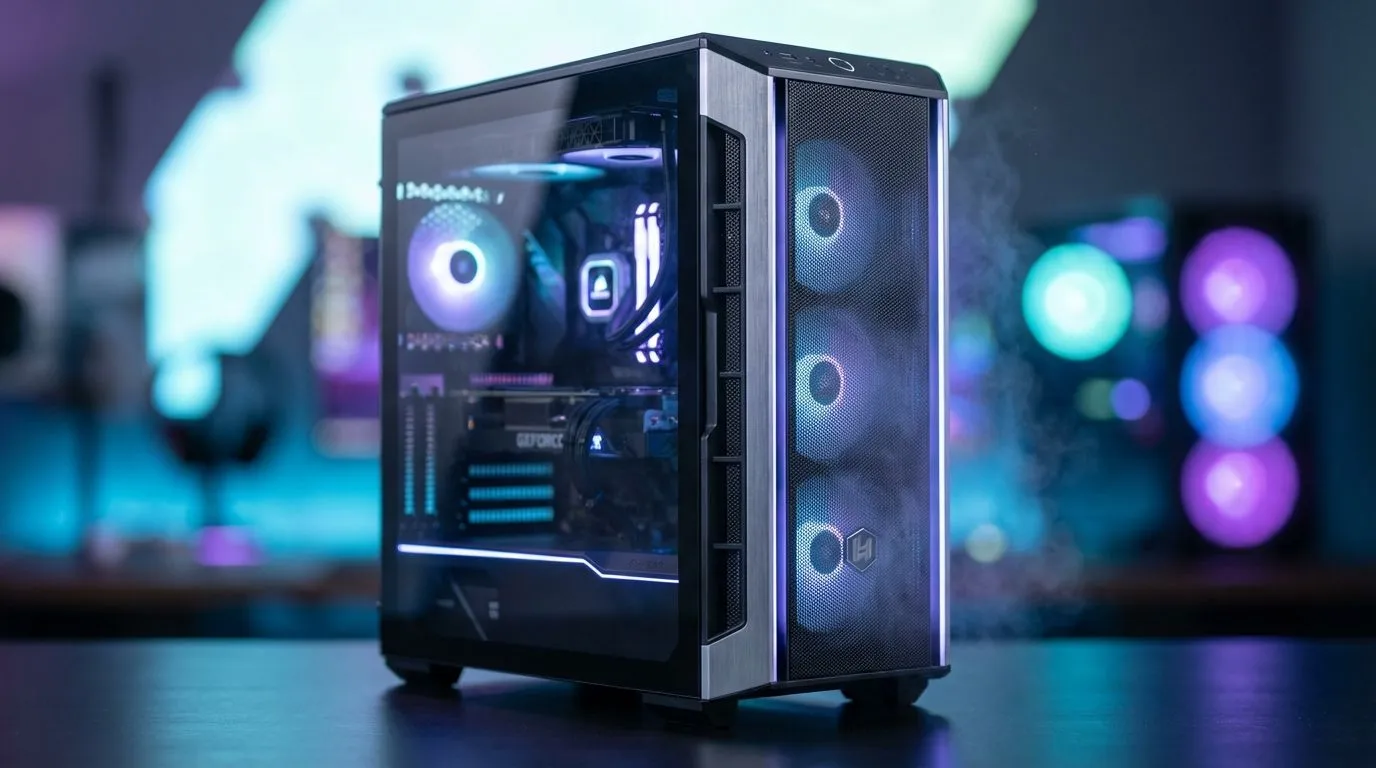
To achieve that sweet spot of positive pressure... you need to count your fans and check their CFM (Cubic Feet per Minute) ratings. A common setup involves two or three intake fans at the front and one exhaust fan at the rear. This creates the pressure needed to keep dust at bay while maintaining excellent thermals for your CPU. 🚀
If you prefer a sophisticated aesthetic... the fractal design pc cases are famous for their modularity and superior filtration. They allow you to fine-tune the balance between silence and airflow. Remember... it is better to have a slightly slower exhaust fan than to have no intake at all.
Hardware Choices for Better Maintenance
Budget does not have to limit your ability to keep a clean system. Even entry-level builds can benefit from smart fan placement. Many gamdias gaming cases come with pre-installed fans that are already configured for decent airflow out of the box.
If you are watching your ZAR... you can find great gaming cases under R1500 that still offer mesh front panels. These mesh panels act as the first line of defence. Clean these filters once a month... and your internal components will look brand new for years. Proper pressure management is the most effective way to protect your investment. ✨
Ready to Build a Cleaner Rig? Controlling dust is the first step toward a long-lasting gaming PC. Whether you need a high-airflow mesh front or a sleek tempered glass look, we have the stock to get you started. Explore our massive range of computer cases and find the perfect machine to keep your hardware running at its peak.