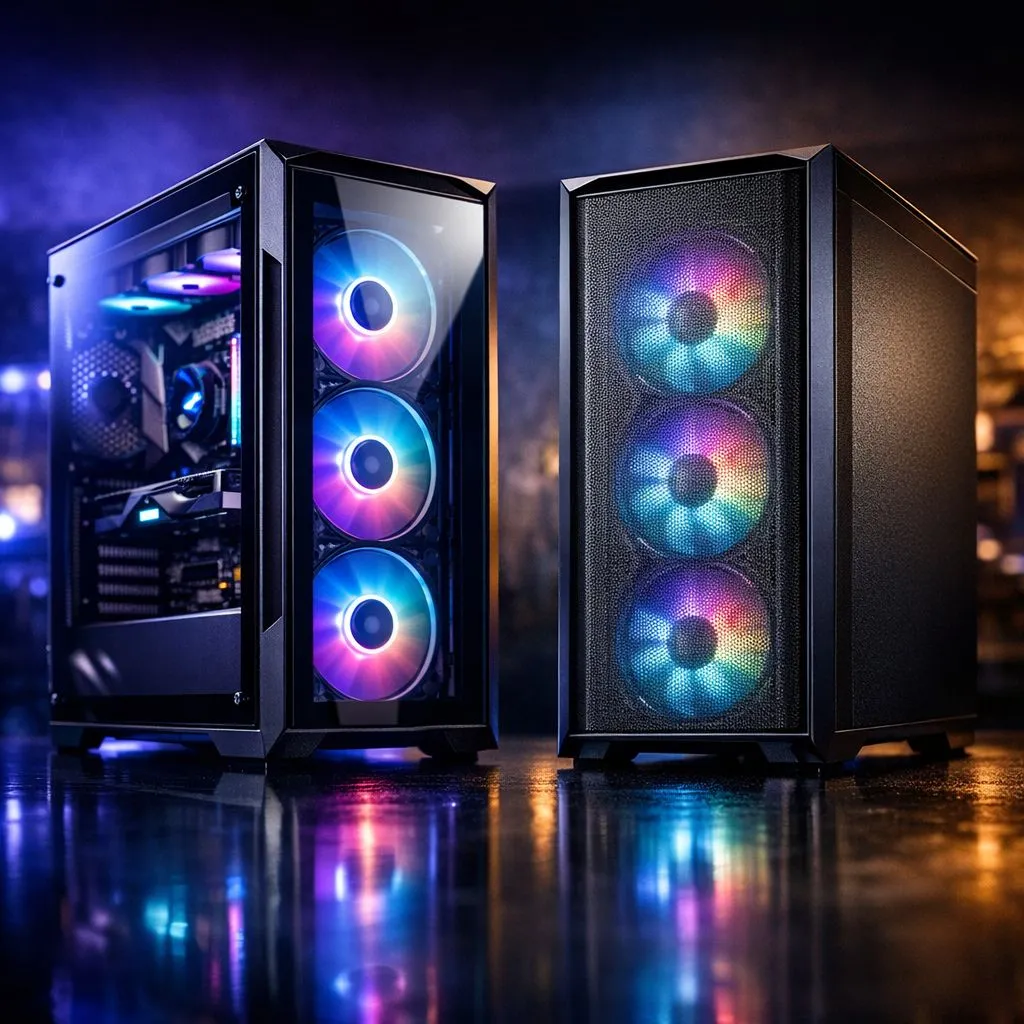
The Great Airflow Debate: Why Mesh Wins for Cooling
Building a high-end gaming rig in South Africa means fighting a constant battle against the heat. From blistering Gauteng summers to humid Durban afternoons... your choice of chassis is the first line of defence. In the Tempered Glass vs Mesh Front Panel PC Cases: Cooling Showdown, the winner often depends on your specific hardware and local climate.
Mesh panels act like a giant lung for your PC. They allow your intake fans to pull in fresh air without any physical barriers. This keeps your internal temperatures low during intense gaming sessions. When looking at the massive variety of computer cases available today, mesh is the clear choice for performance enthusiasts. It ensures that your high-end GPU doesn't throttle when the room temperature climbs above 30 degrees Celsius.
Brands like Fractal Design have mastered this approach. Their Fractal Design PC cases often feature intricate mesh patterns that balance airflow with dust filtration. This is vital in South Africa... where dust can accumulate quickly and choke your expensive components.
The Visual Standard: Why Tempered Glass Dominates Style
If you spent hours perfecting your cable management and choosing the right RGB strips... you likely want to show it off. Tempered glass front panels offer a premium, "aquarium" look that mesh simply cannot match. They provide a clear window into your build... making your components the star of the show.
However, glass panels often restrict airflow to small side vents. This can lead to higher internal temperatures if your fans aren't powerful enough. Many Gamdias gaming cases solve this by using clever spacing between the glass and the frame. This allows for a sleek aesthetic without completely sacrificing the thermal health of your CPU.
Cooling Pro Tip ⚡
If you choose a tempered glass case, prioritise high-static pressure fans for the front intake. These fans are specifically designed to pull air through tight gaps and restricted spaces, ensuring your components stay cool even behind a solid glass sheet.
Balancing Performance and Aesthetics for Your Build
You do not have to spend a fortune to get a case that looks good and performs well. There are many budget gaming cases under R1500 that offer hybrid designs. These often feature a mix of tempered glass side panels for visibility and mesh front panels for maximum air intake. 🔧
When deciding on the Tempered Glass vs Mesh Front Panel PC Cases: Cooling Showdown, consider your environment. If your room is well-ventilated or air-conditioned... glass is a safe bet. If you live in a hotter region or plan to overclock your hardware... mesh is the smarter investment for long-term stability. 🚀
Ready to Find Your Perfect Match? The choice between style and cooling is personal, but Evetech has the perfect chassis for every South African gamer. Explore our massive range of computer cases and find the perfect home for your next build today.