

Best Budget Gaming Peripherals to Start Your Setup
Best budget gaming peripherals: Shop affordable keyboards, mice, headsets and mousepads at Evetech to kickstart your PC setup with solid performance and value. 🛒🎮
Read moreChoosing an AMOLED vs LCD smartwatch screen is key when hunting for the best deals. This guide breaks down the crucial differences in colour vibrancy, battery life, and outdoor visibility to help you make a smart purchase. ⌚ Discover which display technology gives you the most bang for your buck! 💡
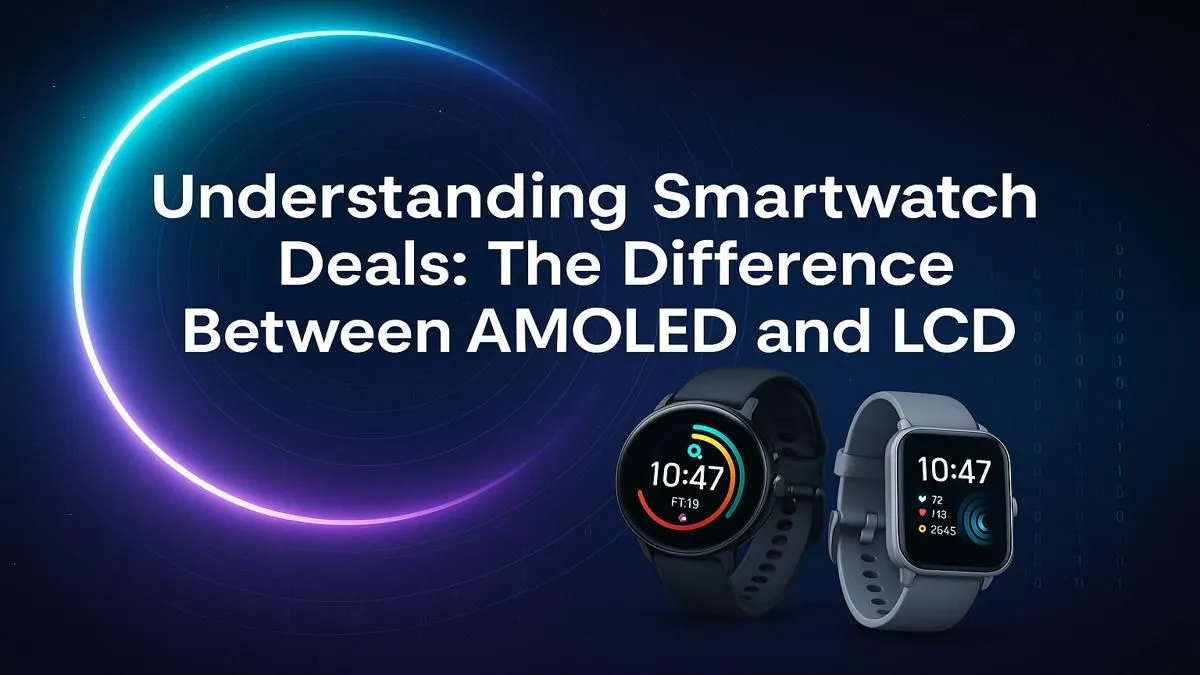
Choosing your next smartwatch in South Africa? It’s easy to get lost in specs like heart-rate monitoring and GPS. But the one thing you'll look at dozens of times a day is the screen. The AMOLED vs LCD smartwatch debate isn't just tech jargon; it's about battery life, colour vibrancy, and how your watch looks in the bright Mzansi sun. Let's break down which display is the right deal for your wrist.
Before you can pick a winner, you need to know the players. Both screen types have their own strengths, and the best choice often comes down to how you’ll use your watch every day.
Think of a Liquid Crystal Display (LCD) as a classic. It uses a single backlight to illuminate all the pixels on the screen. This technology is mature, reliable, and cost-effective, which is why you'll find it on many excellent value-for-money devices. They are known for their consistent brightness and accurate colour representation. For anyone looking for feature-packed smartwatches under R1000, an LCD screen often delivers the best balance of performance and price.
AMOLED (Active-Matrix Organic Light Emitting Diode) is a different beast entirely. Each individual pixel creates its own light. This means when a pixel needs to be black, it simply switches off completely. The result? Perfect, deep blacks, an almost infinite contrast ratio, and colours that pop with incredible vibrancy. This pixel-level control also makes them ideal for 'Always-On' displays, showing the time without draining too much power. You'll often find these stunning displays on more premium Promate smartwatches.
The right screen for you depends on your priorities. Are you a fitness fanatic tracking runs outdoors, or do you need a stylish accessory for the office?
Here’s a quick breakdown to help you decide:
On an AMOLED smartwatch, use a watch face with a pure black background. Since black pixels are simply turned off, you'll use significantly less power compared to a bright, colourful face. It's the easiest way to squeeze an extra day or two out of your battery!
So, in the AMOLED vs LCD smartwatch showdown, who wins? There's no single right answer.
If your priority is getting the maximum value for your money and you want a solid, reliable display, a modern LCD smartwatch is an excellent choice. If you crave the absolute best visual quality, with punchy colours and perfect blacks, and are willing to invest a bit more for that premium experience, an AMOLED display is the way to go.
Ultimately, the best screen is the one that fits your budget and lifestyle. Both technologies have improved so much that you're guaranteed to get a great experience either way. The key is to find the right deal for you. Why not check out the full range of smart watches to compare for yourself?
Ready to Find Your Perfect Match? The AMOLED vs LCD smartwatch debate is all about what you value most. For the best prices and biggest selection in South Africa, Evetech has you covered. Explore our massive range of smartwatch deals and find the perfect tech for your wrist.
AMOLED screens offer deeper blacks, higher contrast, and more vibrant colours. They can also be more power-efficient with dark watch faces, making them a popular premium choice.
It depends. AMOLED is more efficient when displaying black pixels (they're turned off), saving power with dark UIs. LCDs use a constant backlight, which can be more efficient on screens showing bright, full colours.
Yes, high-quality LCD screens, especially transflective ones, are known for excellent visibility in direct sunlight because they use ambient light to illuminate the display.
The manufacturing process for AMOLED panels is more complex and costly than for traditional LCDs. This cost difference is often reflected in the final retail price of the smartwatch.
An Always-On Display allows the watch to show basic information like the time continuously without needing to wake the screen, often at a lower brightness and refresh rate to save battery.
Smartwatches with LCD screens are often more affordable, leading to better upfront deals. However, premium AMOLED models may see bigger discounts during sales events.
Best budget gaming peripherals: Shop affordable keyboards, mice, headsets and mousepads at Evetech to kickstart your PC setup with solid performance and value. 🛒🎮
Read more
Discover the best smartwatch specials South Africa has to offer, right here at Evetech! We’ve curated the top deals on leading brands like Apple, Samsung, and Garmin. Track your fitness, stay connected, and elevate your style without breaking the bank. Shop now for unbeatable prices! ⌚️🔥
Read more
3-in-1 gaming combos deliver huge savings and streamlined setups for South African gamers. Explore cost breakdowns, top pack types, and where to buy smart in SA 🇿🇦🎮
Read more
Sonic gifts for Xbox Series X/S roundup: 20+ fan-approved controllers, headsets, décor, and limited merch to buy now — picks for budgets and collectors 🎮💙
Read more
Budget GPUs for PUBG: Compare the top 5 graphics cards under R15,000 in South Africa to get smooth 1080p gameplay, solid FPS, and the best value. ✅ Quick buying tips and local deals to help you pick fast.
Read more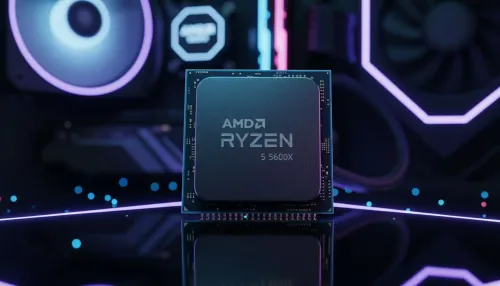
- Best budget CPUs for PUBG under R6,000: shortlist top picks - Compare FPS, price and compatibility - Local SA pricing and where to buy - Upgrade tips and best value choices Find the best budget CPUs for PUBG under R6,000 and boost FPS with affordable, SA-aware recommendations 🎯💸
Read more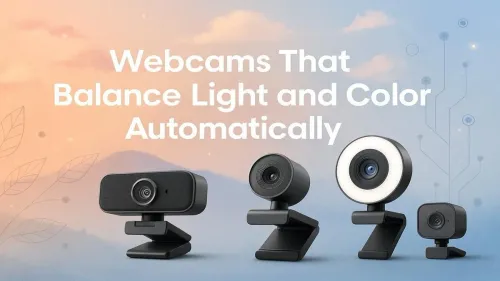
Discover webcams that automatically adjust light and color for crystal-clear video calls 🎥✨. Boost your streaming quality today!
Read more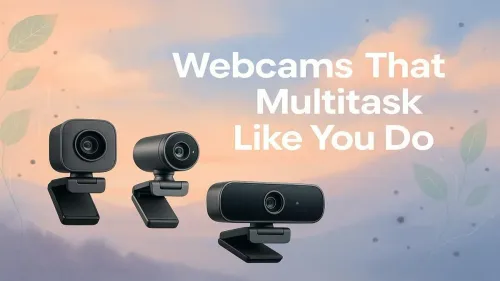
Discover webcams that blend into your workflow 🎯 Capture moments while you work, stream, or create. Upgrade your setup with smart, multitasking tech!
Read more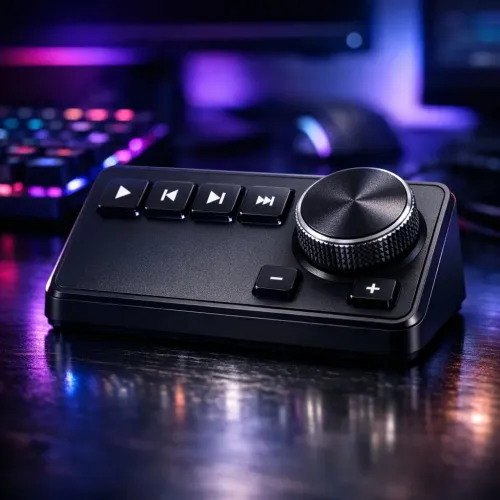
Dedicated media keys give streamers one-touch control to mute, switch scenes, clip highlights, and adjust audio — cutting task time and boosting consistency 🎛️⚡
Read more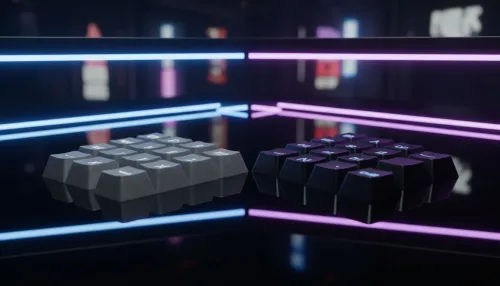
PBT vs ABS keycaps: Clear, local guide for South African gamers—compare feel, sound, durability and where to buy. Find the best material for your budget and playstyle 🎮🇿🇦
Read more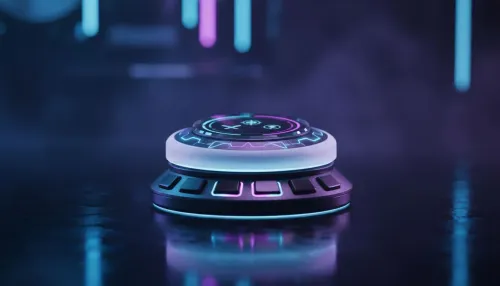
- Multi-Function Digital Dial: define benefits - Show gamer setups and macros - Offer buying and setup tips Multi-Function Digital Dial puts programmable control at your fingertips for faster actions and smoother streaming. 🎮⚙️
Read more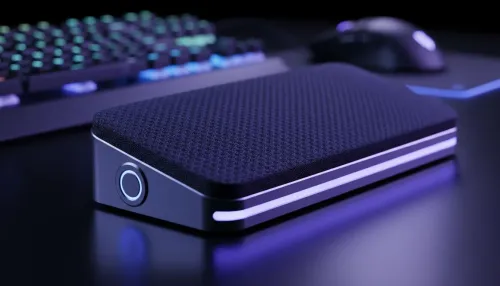
- Explain benefits; - Show the science; - Compare options; - Recommend picks. Magnetic wrist rest for gaming cuts wrist strain and boosts comfort during long sessions 🕹️✨
Read more