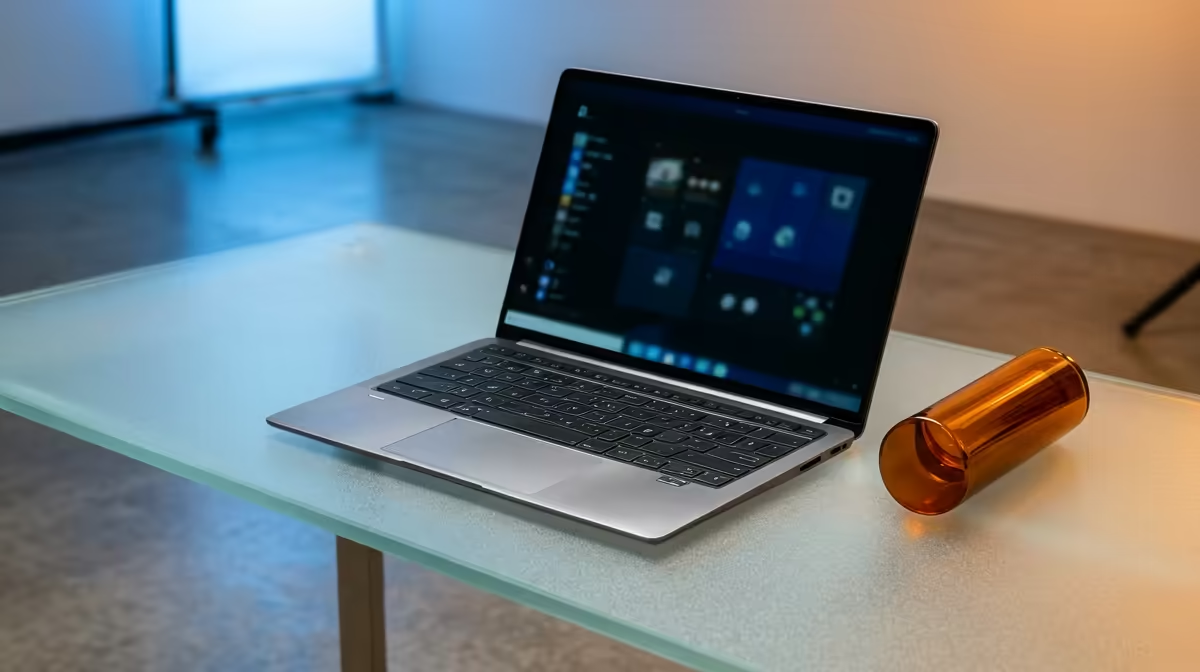
Spotted a feather-light laptop online for a price that seems too good to be true? That brand-new machine for just R4,000… perfect for varsity or some light gaming. Hold on a second, boet. Before you click ‘Buy Now,’ let’s talk. The web is flooded with sophisticated lightweight laptop scams in SA, designed to empty your wallet and leave you with nothing but regret. Here’s how to protect yourself and find a genuine deal.
The Biggest Red Flags of a Fake Laptop Deal
The most obvious sign of a scam is a price that defies logic. A brand-new, genuinely lightweight and capable laptop from a known brand will rarely, if ever, sell for under R7,000. When you see a "deal" for half that, your alarm bells should be ringing 🔔. Scammers often use blurry or stolen product images and write vague descriptions. They might promise an "i7 processor" without specifying the generation. A genuine seller provides clear, high-resolution photos and detailed specs. To get a feel for real-world pricing, browse some legitimate laptop specials to see what you should expect to pay.
How Scammers Target Eager Buyers
These fake deals thrive on social media marketplaces and dodgy-looking websites that pop up overnight. They create a sense of urgency with phrases like "Only 2 left at this price!" to rush you into making a bad decision. Their biggest trick? Payment methods. Scammers will almost always demand an immediate EFT into a personal bank account. They'll avoid secure payment gateways because those offer you, the buyer, protection. Remember, a real business invests in secure, professional payment systems. They offer a variety of trusted choices, from powerful and portable AMD laptops to high-performance gaming rigs, all through secure channels.
Your Checklist to Avoid Lightweight Laptop Scams in SA
Feeling a bit nervous? Don't be. A few simple checks can keep you safe. Follow this checklist to dodge the dodgy deals and confidently find a machine you'll love.
1. Vet the Seller 🕵️
Does the website have a physical address in South Africa? A working landline? A VAT number? Look for reviews on sites like HelloPeter, not just the testimonials on their own page. No physical footprint or independent reviews is a massive warning sign.
Quick Legitimacy Check 🇿🇦
A registered South African business must display its company registration and VAT number (if applicable). You can often find this in the website's footer. A quick search on the CIPC (Companies and Intellectual Property Commission) website can help verify if the company actually exists. If it's missing, run!
2. Scrutinise the Specs
Scammers often list impossible hardware combinations. An "RTX 4080" in a super-thin R6,000 laptop? Not happening. Always cross-reference the advertised model and its specs with the manufacturer's official website. When you shop for genuine Intel-powered laptops, for example, the specs are clear, consistent, and verifiable. If the details are vague or contradictory, it's likely a fake deal.
3. Trust Your Gut
Ultimately, if a deal feels too good to be true, it almost certainly is. The temporary thrill of a massive discount isn't worth the risk of losing your hard-earned cash. It's smarter to pay a fair price from a reputable dealer who provides a warranty and after-sales support.
Ready for a Real Deal?
Don't let the fear of fake deals stop you from getting the tech you need. The best defence against lightweight laptop scams in SA is knowledge and shopping with trusted retailers. Explore our massive range of guaranteed laptop specials and find the perfect, legitimate machine to conquer your world.