4GB GDDR6 VRAM Best Practices for Design Workflows
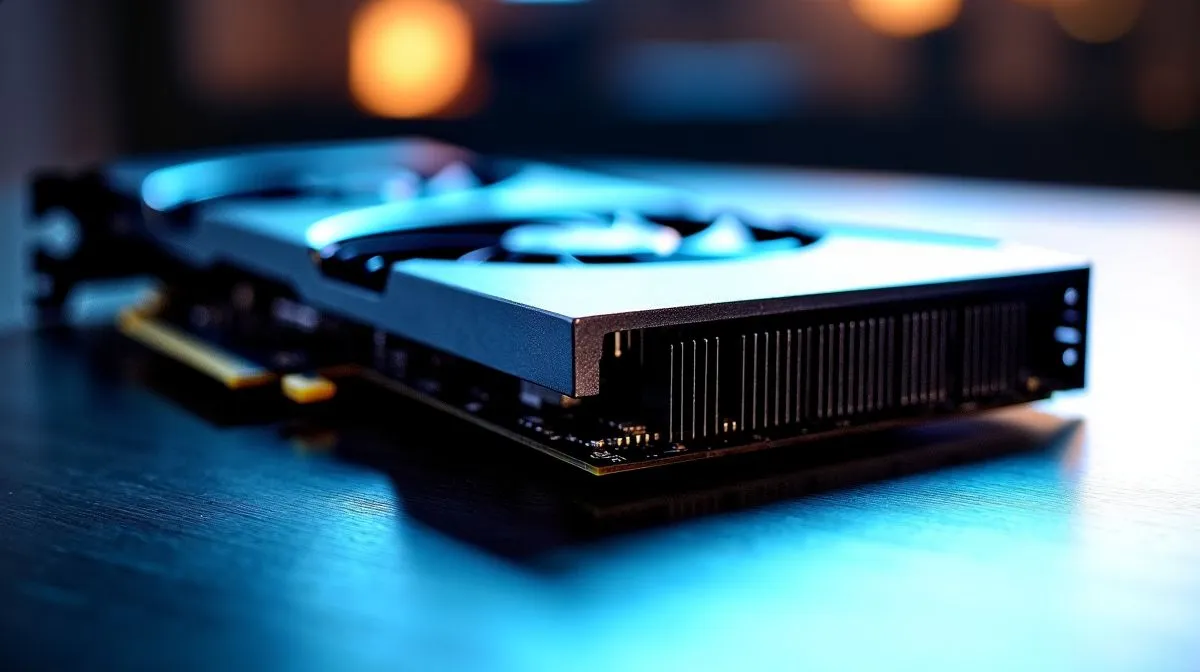
If your design work has started feeling a bit cramped, your GPU memory may be the quiet culprit. A 4GB GDDR6 card can still handle plenty of creative tasks, but only if you set your workflow up properly. For South African designers, students, and side-hustle creators, that matters. You want smooth renders, fewer slowdowns, and better value for your rand ⚡
4GB GDDR6 VRAM Best Practices for Design Workflows
The first rule is simple: match the card to the job. A 4GB frame buffer is fine for lighter Photoshop projects, clean vector work, web design, and basic motion graphics. It is less comfortable with heavy 3D scenes, huge texture files, or complex timelines. That is not a flaw. It is just good planning.
When you shop, compare options across the main graphics card range, MSI-branded models, and AMD Radeon cards. If you want a wider look at current options for creative work, Evetech also lists Intel Arc graphics cards and workstation graphics cards. Availability and pricing change often, so check the live listings before you buy.
Keep files lean
Big canvases eat VRAM quickly. Use smart layer naming, flatten duplicate versions, and close unused apps. It sounds basic, but it helps. A browser with 30 tabs can quietly steal memory you need for design software. On a modest system, those habits matter more than flashy specs.
Use the right preview settings
Many apps let you lower preview quality while editing. Do that when you are working on layout decisions, then switch back for final checks. This keeps the system responsive and reduces stutter. It also helps when you are bouncing between Illustrator, Photoshop, and reference files.
Workflow Tip 🔧
On a 4GB GDDR6 card, keep your design app, file manager, and browser open only when needed. Close background launchers, cloud sync tools, and unused chat apps before exporting large projects.
Upgrade the whole system, not just the GPU
A strong GPU cannot cover for slow RAM or a weak CPU. For design workflows, a balanced PC usually feels better than an unbalanced one with one impressive part. If your budget is tight, put money into memory capacity, SSD speed, and a sensible graphics card together. That is often the smarter ZAR-for-performance move.
Know when 4GB is enough
If you mostly create social media graphics, product mockups, banners, thumbnails, and light video edits, 4GB GDDR6 can still be a practical choice. If your work involves 4K footage, advanced 3D, or heavy Adobe After Effects compositions, you will likely feel the limit sooner. At that point, a step up makes sense. No drama... just workflow reality.
For context, official product pages and manufacturer specs are the safest place to verify memory size, bus width, and supported features before purchase. That is especially useful when comparing similar-looking cards that behave very differently in real projects.
4GB GDDR6 VRAM Best Practices for Design Workflows
The best approach is to buy for today and leave a little room for tomorrow. A 4GB GDDR6 card can be a capable creative tool when paired with sensible habits and realistic project expectations. If your current setup is slowing you down, start with the workflow first... then choose the hardware that fits.
Ready to Find Your Perfect Match? The Mac vs Windows debate is complex, but for maximum power, choice, and value in South Africa, Windows is hard to beat. Explore our massive range of laptop specials and find the perfect machine to conquer your world.