

GPU Setup Guide for SA Gamers
GPU Setup Guide Gamers. Clear setup instructions with SA-specific considerations, troubleshooting tips & recommended components.
Read more50mm drivers vs smaller drivers: which delivers positional audio that helps you win in competitive gaming? Compare soundstage, imaging, and fit for clearer direction tracking 🎧🎮
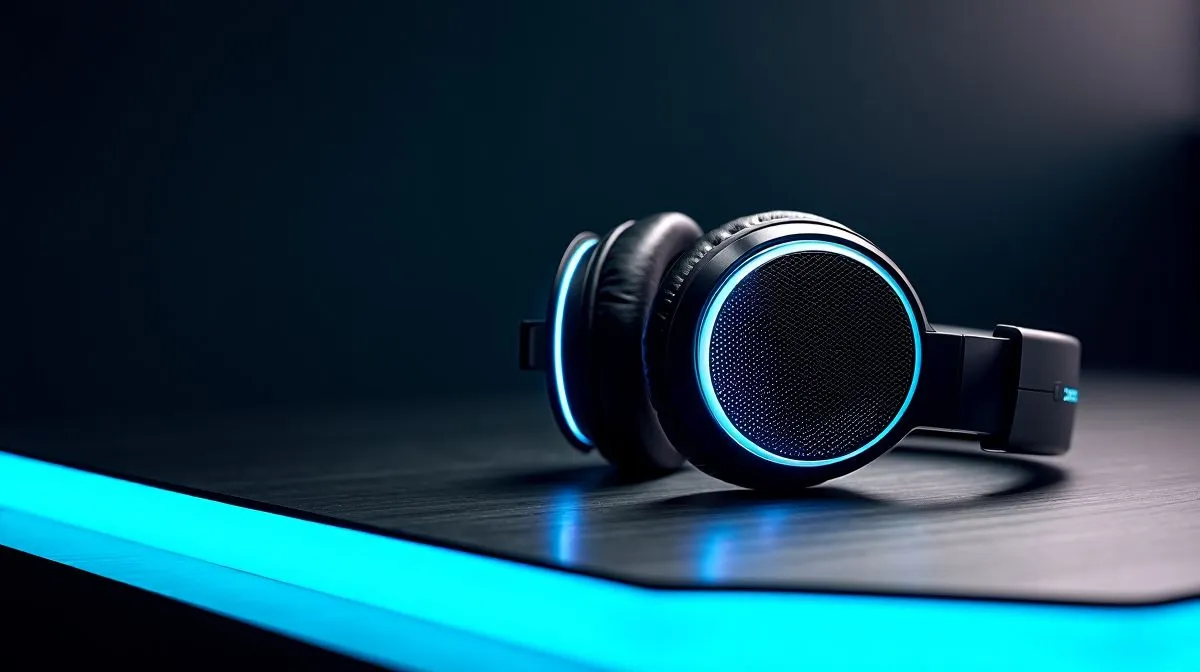
You’ve landed in another clutch moment… and the footsteps are almost there. In Tarkov, Valorant, or Counter-Strike 2, positional audio can be the difference between a clean trade and a whiff. The big question many South Africans ask is simple: is bigger always better? Specifically, does 50mm drivers beat smaller drivers when it comes to directional cues and in-game soundstage? 🔊
Let’s break it down in plain terms, with what actually affects hearing and locating enemies.
Driver size is one piece of the puzzle. A “50mm” label usually signals a larger diaphragm area, which can help with loudness headroom and bass extension at lower volumes. But positional audio is mostly about how accurately the headset reproduces time, phase, and frequency detail.
Here’s what matters more than the number on the box:
In other words, a well-tuned smaller driver can outperform a larger one that’s boosted and smeared. ✨
Before buying, test these in your main game:
If the sound “floats” or feels smeared, the headset’s imaging or tuning is struggling.
On Windows, enable Spatial sound and test it in the same map segment every time. Turn it off, then on again, so you can hear whether the processing improves directional clarity rather than changing everything into a wider but less precise mix.
If you’re shopping locally, you’ll see a range of models and tuning styles. Rather than chasing just driver size, compare headsets based on your audio priorities:
If you want a practical starting point, check out Evetech’s curated ranges and options:
Many games offer stereo-first mixing, then optional processing. If your headset supports different modes, you can test what works with your titles. For instance, compare stereo tuning against 7.1 style modes using the exact listing options here:
If you find 7.1 makes footsteps feel “everywhere”, switch back to stereo. For competitive play, precision beats gimmicks.
Use this checklist before you commit:
A bigger driver (like 50mm) can be great for bass weight and impact. But positional audio is won by tuning, processing, and fit. So choose the headset that keeps footsteps sharp and directional, not the one with the biggest number. 🚀
Ready to Find Your Perfect Match? The Mac vs Windows debate is complex, but for maximum power, choice, and value in South Africa, Windows is hard to beat. Explore our massive range of laptop specials and find the perfect machine to conquer your world.
Not always. Positional accuracy depends on tuning, mic/ear geometry, and imaging performance. 50mm drivers can help, but smaller drivers can be equally sharp.
Look for strong imaging and consistent frequency tuning around impact and movement cues. Many 50mm headsets do well, but select smaller-driver models can match.
A larger soundstage can help, but positional audio also relies on imaging cues. Choose headsets with accurate directionality, not just wide ambience.
Driver size influences behavior like bass control and dynamic response, which can shape imaging. Tuning and DSP often matter as much as driver diameter.
They can be. Smaller drivers sometimes deliver tighter, more controlled response and can sound punchy. The best pick is the one with accurate imaging for your game.
Tuning (especially midrange clarity), seal/fit, impedance matching, and consistent comfort matter. An excellent seal can improve perceived positional cues.
No. Poor seal or incorrect ear placement can blur direction cues. Fix fit first, then evaluate driver performance and tuning.
GPU Setup Guide Gamers. Clear setup instructions with SA-specific considerations, troubleshooting tips & recommended components.
Read more
When Will the RTX 6090 Launch in South Africa Detailed answer with SA data, expert analysis & practical recommendations for local buyers.
Top Valorant Settings for RTX 5070: FPS Optimisation picks evaluated on performance, value & SA availability with current Rand pricing from Evetech.
RDNA 3.5 Graphics in Ryzen AI 400? Can You Game. Plain-English explanation of what it means, why it matters & how it affects your buying decisions in SA.

GPU Price Index : December Report. Current stock data & price tracking for SA buyers. See what is available and where prices are heading.

Core i5-14600K + B760 + RTX 5060 Build Under. Full parts list, Rand pricing & expected performance. Build confidently with SA-available components.
RX 7600 Apex Legends at 4K: FPS Benchmark. Real-world benchmark data, FPS numbers & performance analysis. What SA gamers can actually expect.
RX 7900 XTX GTA 6 at 4K: FPS Benchmark & Optimal. Real-world benchmark data, FPS numbers & performance analysis. What SA gamers can actually expect.
Head-to-head comparison of RTX 5070 vs RX 9070 XT: Gaming Performance for SA gamers. Performance benchmarks, Rand pricing & which delivers better value.
GPU Setup Guide Gamers. Clear setup instructions with SA-specific considerations, troubleshooting tips & recommended components.
Top RTX 5090 Under R12000 picks evaluated on performance, value & SA availability with current Rand pricing from Evetech.
Call of Duty Warzone 2 Settings on RX 7600. Real-world benchmark data, FPS numbers & performance analysis. What SA gamers can actually expect.
GTA 6 Settings on RTX 5070 Ti: Performance. Real-world benchmark data, FPS numbers & performance analysis. What SA gamers can actually expect.