Stuttering gameplay? Jagged, torn screens ruining your clutch moments in Apex or Valorant? We've all been there. It’s one of the most frustrating things in PC gaming, especially when you’ve spent your hard-earned cash on a decent rig. The good news is the fix isn't some complex upgrade. It's a technology called AMD FreeSync, and understanding it is key to unlocking buttery-smooth visuals. Let's get into what it is and why it matters.
What Exactly is AMD FreeSync?
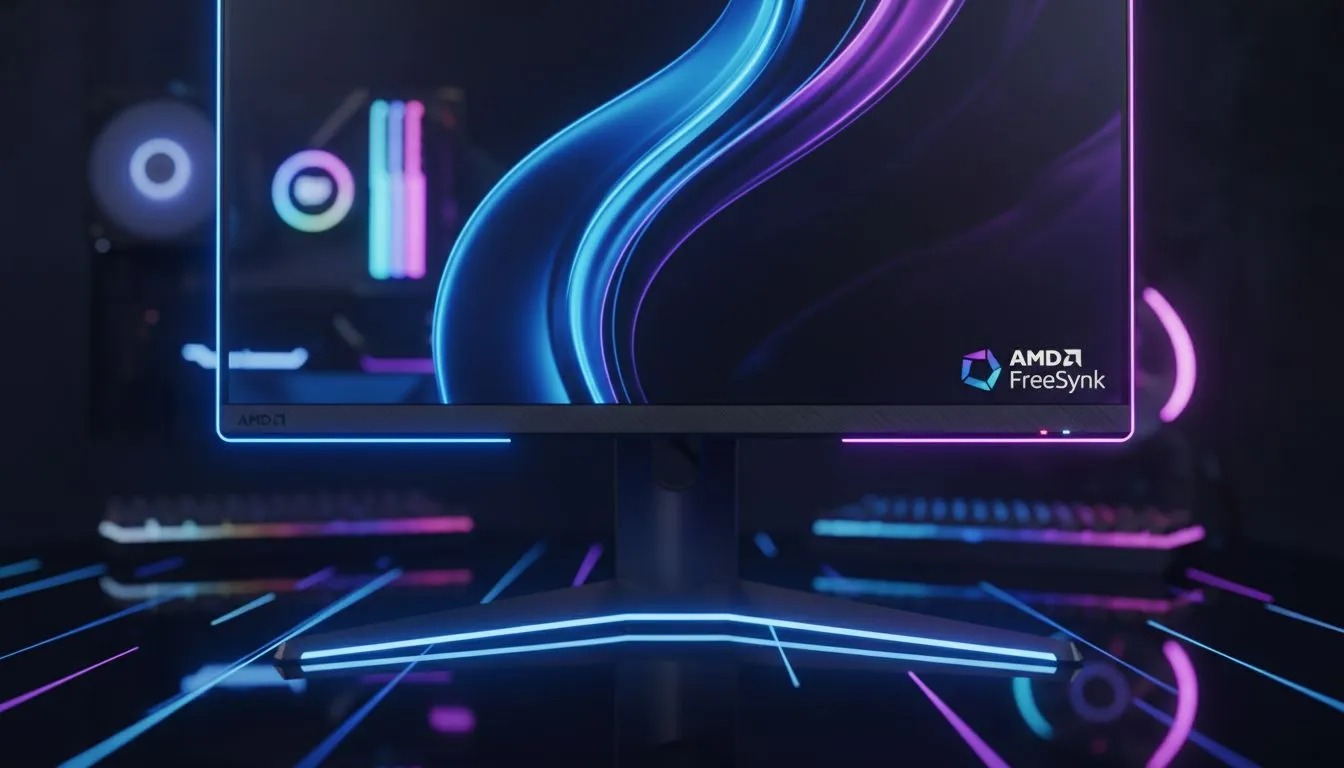
At its core, AMD FreeSync is a clever adaptive sync technology. Think of it as a translator between your graphics card (GPU) and your monitor. Normally, your monitor refreshes its image at a fixed rate (like 60Hz or 144Hz), while your GPU pushes out frames as fast as it can. When these two are out of sync, you get visual disasters like screen tearing (where the image looks split) or stuttering.
FreeSync technology solves this by allowing the monitor to dynamically adjust its refresh rate to match the frame rate of your GPU in real-time. The result? A perfectly synchronised, fluid, and artifact-free visual experience. It's a feature built into a huge range of modern PC monitors, making smooth gaming more accessible than ever.
The Different Tiers of FreeSync Explained
Not all FreeSync is created equal. AMD offers a few different levels, each with specific requirements and features. Understanding them helps you choose the right display for your needs.
AMD FreeSync
This is the baseline tier. It guarantees a tear-free, low-latency gaming experience. It's perfect for gamers on a budget who want to eliminate screen tearing without breaking the bank.
AMD FreeSync Premium ✨
This is the sweet spot for most serious gamers. To get the Premium badge, a monitor must offer:
- At least a 120Hz refresh rate at a minimum of 1080p resolution.
- Low Framerate Compensation (LFC). LFC prevents stutter when your game's FPS drops below the monitor's minimum refresh rate, keeping things smooth even in demanding scenes.
AMD FreeSync Premium Pro
This is the top tier, designed for the ultimate visual fidelity. It includes all the benefits of Premium but adds a crucial component: highly-optimised HDR (High Dynamic Range) support. This ensures incredible colour accuracy, deep contrast, and breathtaking brightness in games that support it. If you want the best possible picture, this is the standard to look for across all gaming monitors.
Why Should a South African Gamer Care About FreeSync?
So, what does this all mean for you, gaming in SA? Two words: value and performance. Because FreeSync is an open, royalty-free standard, monitors with this tech are often significantly more affordable than their proprietary counterparts. You get a premium, smooth experience without the premium price tag.
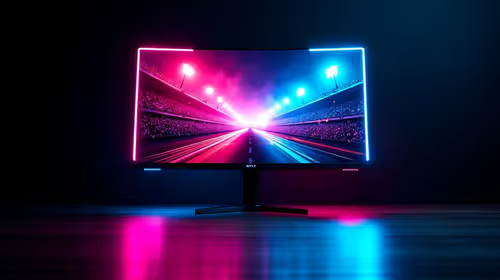
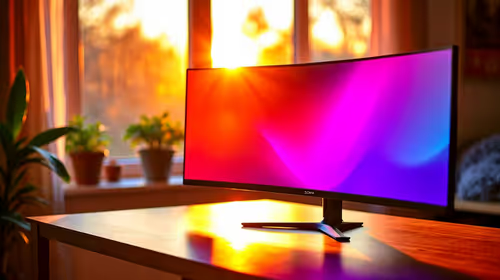
This technology makes a massive difference on both high-end and mid-range systems. It feels incredibly immersive on curved monitors, pulling you deeper into the action, and it ensures every pixel is perfect on high-resolution 4K and 5K monitors where any imperfection is noticeable.
NVIDIA User? No Problem! 💡
Good news! Since 2019, many AMD FreeSync monitors are also "G-Sync Compatible." This means you can enable adaptive sync on them even if you have a modern NVIDIA GeForce graphics card (GTX 10-series RTX 20-series or newer). Just connect via DisplayPort and enable the "G-Sync Compatible" setting in your NVIDIA Control Panel.
Setting Up Your AMD FreeSync Monitor 🔧
Getting your new FreeSync monitor up and running is straightforward.
- Connect Correctly: Use a DisplayPort cable for the best results. While some monitors support FreeSync over HDMI, DisplayPort is the universal standard for higher refresh rates and reliability. You can find quality cables and other monitor accessories to ensure a solid connection.
- Enable on Monitor: Dive into your monitor's on-screen display (OSD) menu—usually via buttons on the monitor itself—and find the setting for AMD FreeSync. Make sure it's turned on. This is a crucial step people often miss!
- Enable in Software: Open your AMD Radeon Software (or NVIDIA Control Panel for compatible monitors). Navigate to the "Display" settings and toggle the AMD FreeSync option to "On".
That's it! Your GPU and monitor are now in sync. This simple setup even applies to more niche displays like portable monitors, giving you a smooth gaming experience on the go.
Ultimately, AMD FreeSync is no longer a luxury feature; it's an essential part of any modern gaming PC. It delivers a noticeably smoother and more responsive experience that helps you play at your best. Whether you're a competitive esports player or a solo adventurer, eliminating screen tear is a massive quality-of-life improvement you won't want to live without. If you're hunting for an upgrade, be sure to check out the best PC monitor deals to find a display that fits your budget and needs.
Ready for a Tear-Free Gaming Future? Choosing the right monitor can feel complex, but AMD FreeSync makes one part of the decision easy. For smooth, responsive, and affordable gaming in South Africa, a FreeSync-enabled display is a must. Explore our massive range of gaming monitors and find the perfect screen to elevate your setup.