

RTX 4060 Ti Throttling Under Load: SA Temperature Guide
RTX 4060 Ti Throttling Under Load: Temperature. Everything you need to know with SA pricing, step-by-step instructions & expert recommendations.
Read moreCopper baseplate vs aluminium cold plates: does material choice change CPU cooling efficiency? Compare heat transfer, thermal conductivity, weight, and real-world temps for better cooling decisions 🧊⚙️
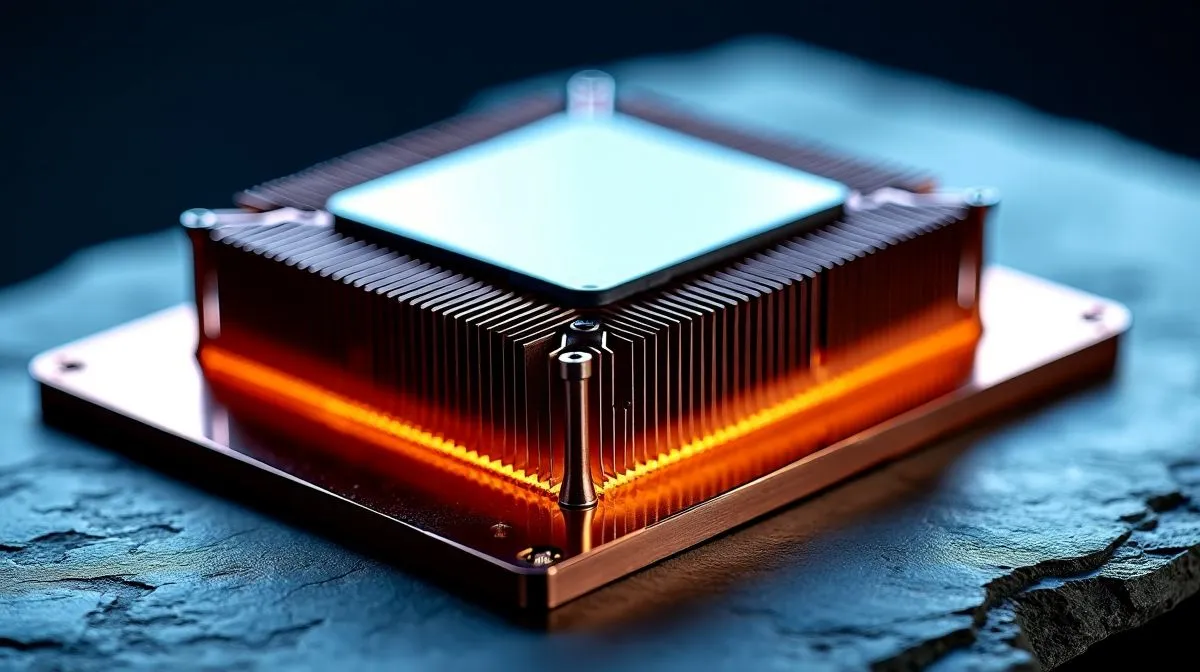
If you’ve ever watched your CPU temps climb during a late-night raid in Tarkov or a long ranked session in Apex, you’ll know the pain… and the annoying throttling. 🔥 Choosing the right cooler is one of the few upgrades that actually changes real-world performance, not just benchmarks.
Copper baseplate vs aluminium cold plates for CPU cooling is the classic decision point. But the “best” choice depends on your CPU heat output, cooler design, and airflow. Let’s break down what changes thermally, what changes over time, and what you should prioritise when shopping.
Copper conducts heat very well. In a CPU cooler, the base plate has one job: move heat from the CPU heatspreader into the rest of the cooling system. A copper baseplate helps spread that heat evenly across the contact area, which can improve overall heat transfer under load.
In practice, this often shows up as lower peak temperatures or more stable temps during sustained gaming sessions… especially with air coolers that rely on steady contact and good mounting pressure.
Aluminium is lighter and usually cheaper to manufacture. Many CPU coolers use aluminium components in the contact or heat path because it can still perform well when paired with:
So aluminium doesn’t automatically mean “bad”. It’s more about whether the cooler’s overall engineering and materials pairing are tuned for your CPU.
Here’s a quick checklist you can use when picking a cooler from Evetech’s selection:
If you’re choosing an AIO, browse Evetech’s CPU cooler range here:
And if you want to compare AIO options specifically:
AIO liquid coolers spread heat via the pump and radiator loop. That can reduce sharp spikes during bursty game loads. If your room is hot (it happens), AIOs with a larger radiator can stay steadier.
Consider:
Explore the 360mm options here:
And the 240mm options here:
Different brands tune contact, mounting pressure, and fin/radiator layout. If you’re shopping for a specific maker, filter by brand. For example, CORSAIR AIOs:
Or Deepcool:
On cooler installs, clean the CPU and cooler contact surfaces properly with isopropyl alcohol, then apply thermal paste using a small pea-sized dot. When mounting, tighten evenly in a cross pattern. This improves real contact pressure, which often matters as much as whether the base is copper or aluminium.
If you want the simplest rule:
But the deciding factor is your whole setup: airflow, case pressure, fan curve, room temps, and whether you selected a cooler that matches the CPU’s heat output.
Before you lock in a cooler, ask: “Will my CPU be stressed for long sessions, or mostly short bursts?” Then choose your cooling strategy. If you’re unsure, start with Evetech’s curated CPU cooler range and filter by cooler type and radiator size. You’ll get to a safe, sensible option faster. ✅
Ready to Find Your Perfect Match? The Mac vs Windows debate is complex, but for maximum power, choice, and value in South Africa, Windows is hard to beat. Explore our massive range of laptop specials and find the perfect machine to conquer your world.
Copper typically transfers heat more effectively than aluminium, but real results depend on cooler design, contact pressure, and fin/radiator performance in your setup.
You may see small temperature gaps in similar coolers, especially under sustained loads. Effects vary with fan curve, thermal paste, and overall cooler construction.
For many AIOs, copper baseplates help with heat spread, while aluminium components often keep costs down. Efficiency hinges on block flow path and radiator capacity too.
Copper can improve heat transfer, but “always better” is not guaranteed. Aluminium cold plates can perform very well when paired with strong fin stacks and airflow.
Copper is usually heavier, while aluminium is lighter. If your case supports heavy coolers fine, weight may be less important than mounting stability and cooler fit.
Both materials can work well with quality thermal paste. Proper mounting pressure and flatness matter most; copper’s surface can feel more forgiving when alignment is slightly off.
Prioritize cooler class (heatpipes or cold plate area), radiator size, fan performance, mounting pressure, and case airflow. Material helps, but design drives results.
RTX 4060 Ti Throttling Under Load: Temperature. Everything you need to know with SA pricing, step-by-step instructions & expert recommendations.
Read more
Apex Legends Max Settings on RTX 4080. Tested & verified settings for best FPS and visual quality on SA hardware budgets.
Read more
GPU Buying Guide. Everything you need to know with SA pricing, step-by-step instructions & expert recommendations.
Read more
GPU Terms Guide. Everything you need to know with SA pricing, step-by-step instructions & expert recommendations.
Read more
AMD Adrenalin Download & Setup Guide: GPU. Clear setup instructions with SA-specific considerations, troubleshooting tips & recommended components.
Read more
Back-to-School GPU Buying Guide. Everything you need to know with SA pricing, step-by-step instructions & expert recommendations.
Read more
Can RTX 4080 Super Run AI Workloads for SA Developers Detailed answer with SA data, expert analysis & practical recommendations for local buyers.
Can RTX 4090 Run AI Workloads for SA Developers Detailed answer with SA data, expert analysis & practical recommendations for local buyers.
Top Settings for Intel Arc B580 at Ultrawide 1440p picks evaluated on performance, value & SA availability with current Rand pricing from Evetech.
RX 7600 Overclocking Guide: Safe OC Settings for. Real-world benchmark data, FPS numbers & performance analysis. What SA gamers can actually expect.

RTX 4060 CS2 Low Settings at 1080p: FPS Results. Real-world benchmark data, FPS numbers & performance analysis. What SA gamers can actually expect.

Visual Artifacts: Possible GPU Issue Issue #1. Diagnosis steps, proven fixes & when to seek professional help. SA-specific support info included.
Can the RTX 4090 Handle 1440p 144Hz Gaming. Performance testing verdict with real data & practical recommendations for SA buyers.
Top ASUS GPU Under R15000 picks evaluated on performance, value & SA availability with current Rand pricing from Evetech.
RTX 4060 Ti Throttling Under Load: Temperature. Everything you need to know with SA pricing, step-by-step instructions & expert recommendations.
Apex Legends Max Settings on RTX 4080. Tested & verified settings for best FPS and visual quality on SA hardware budgets.
GPU Buying Guide. Everything you need to know with SA pricing, step-by-step instructions & expert recommendations.
GPU Terms Guide. Everything you need to know with SA pricing, step-by-step instructions & expert recommendations.