CPU Thermals: Radiator Size, Fans, and Tube Placement (the real-world stuff)
If your CPU is hitting 90°C while gaming in Johannesburg summer… you’re not alone. 🔥 Most buyers focus on “what cooler is best?” and miss the details that actually move the needle: radiator size, fan setup, and tube placement. Those choices decide how efficiently heat gets pulled off the CPU and dumped into your case airflow. For South African gamers chasing smoother frames and quieter nights, getting these right is worth it.
CPU Thermals: Radiator Size and why 360 mm isn’t always “best”
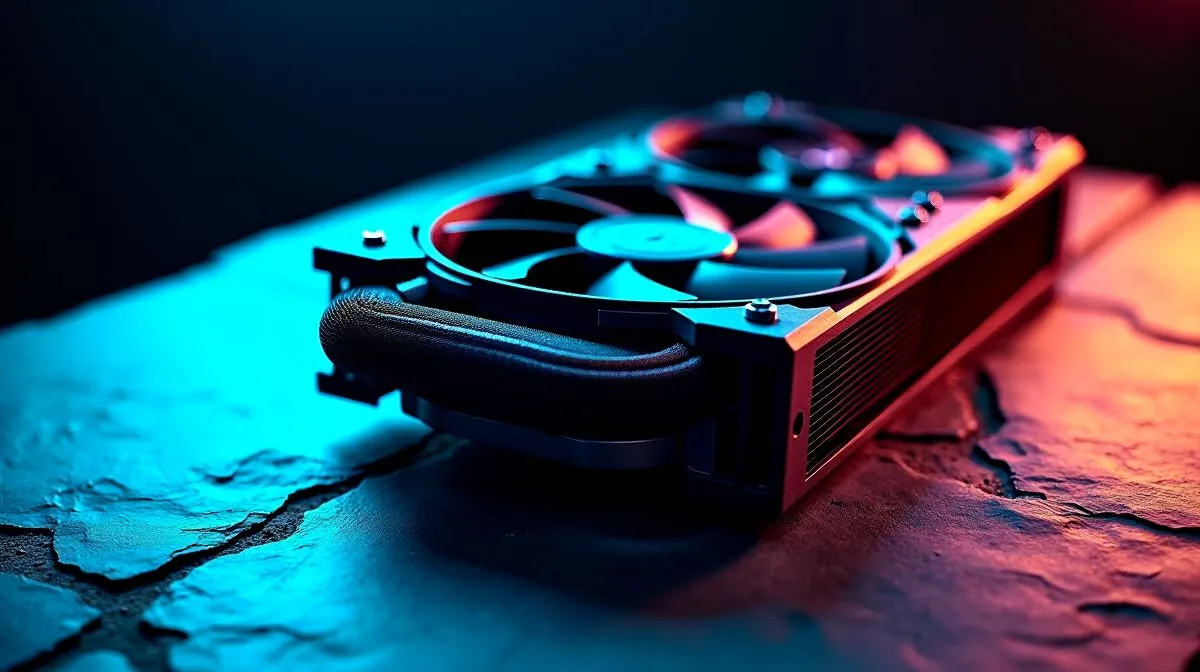
When we talk about CPU Thermals: Radiator Size, Fans, and Tube Placement, the radiator is the heat exchanger. Bigger radiator surface area usually means lower coolant and fan temperatures, assuming you have airflow to back it up. In practice, a 360 mm AIO can outperform a 240 mm AIO in sustained loads, but only if your case fits it and your fans move enough air through the fins.
Want options? Browse Evetech’s selection of CPU coolers here:
240 mm vs 360 mm AIO: choose for your case, not just benchmarks
If your build has clearance limits (or you run RAM clearance issues), a 240 mm might be the sensible choice. If you have room for a 360 mm radiator and can run decent intake/exhaust balance, you’ll often see better thermal headroom during long sessions. ⚡ For AIO buyers, start with:
If you’re brand-inclined (and we get it), Evetech also makes it easy to filter:
And if you already know your radiator size:
CPU Thermals: Fans that matter more than you think (intake vs exhaust)
Fan performance isn’t just max RPM. It’s also where the fans pull (or push) air from. For AIOs, the common goal is simple: keep the radiator fans fed with cool(er) air, while the case still exhausts warm air efficiently.
A quick rule of thumb for many builds:
- Front / bottom radiator (intake): often gives the radiator cooler air to work with.
- Top radiator (exhaust): can help the case dump hot air, but may fight rising warm air depending on case design.
If you only have space for a top mount, don’t panic. Just ensure you’ve got meaningful exhaust elsewhere, so the radiator isn’t circulating “hot room air” all day. 🔧
Productivity Pro Tip 🔧
On your PC, do a 10–15 minute thermal test after any cooler change. Use a monitoring tool to log max CPU temperature during the same kind of load (for example, a gaming benchmark or stress test). If temps don’t drop immediately, re-check fan direction and radiator seating before you blame the cooler.
CPU Thermals: Tube placement (and the tiny details that prevent surprises)
For AIOs, tube placement affects how the pump and coolant settle. Many AIO designs are more reliable when the pump has a consistent orientation, and the air bubble location is less likely to interfere with coolant flow.
In real builds, here’s what usually helps:
- Keep tubes from making extreme kinks.
- Avoid sharp bends right at the radiator ports.
- Mount the radiator in the orientation your AIO supports (some units are intended for top-mount vs front-mount differently).
I’ve seen gamers tighten everything “perfectly” and still get odd temps because the tubes were forced into a tight bend. The fix was boring… but effective: reroute the tubing so the bend relaxes, then re-check the pump orientation.
CPU Thermals: Getting stable temps for long gaming nights ✨
Thermals aren’t only about the cooler. They’re also about dust filters, case airflow, and airflow paths. If you keep your intakes clear and your exhaust fans working, you’ll usually see more consistent temps than chasing a “bigger radiator at any cost”.
Ready to stop guessing and start buying the right cooler configuration for your case? Here’s where it helps to compare by radiator size and AIO type, so you don’t end up with a mismatch that costs you cooling performance.
Ready to Find Your Perfect Match? The Mac vs Windows debate is complex, but for maximum power, choice, and value in South Africa, Windows is hard to beat. Explore our massive range of laptop specials and find the perfect machine to conquer your world.