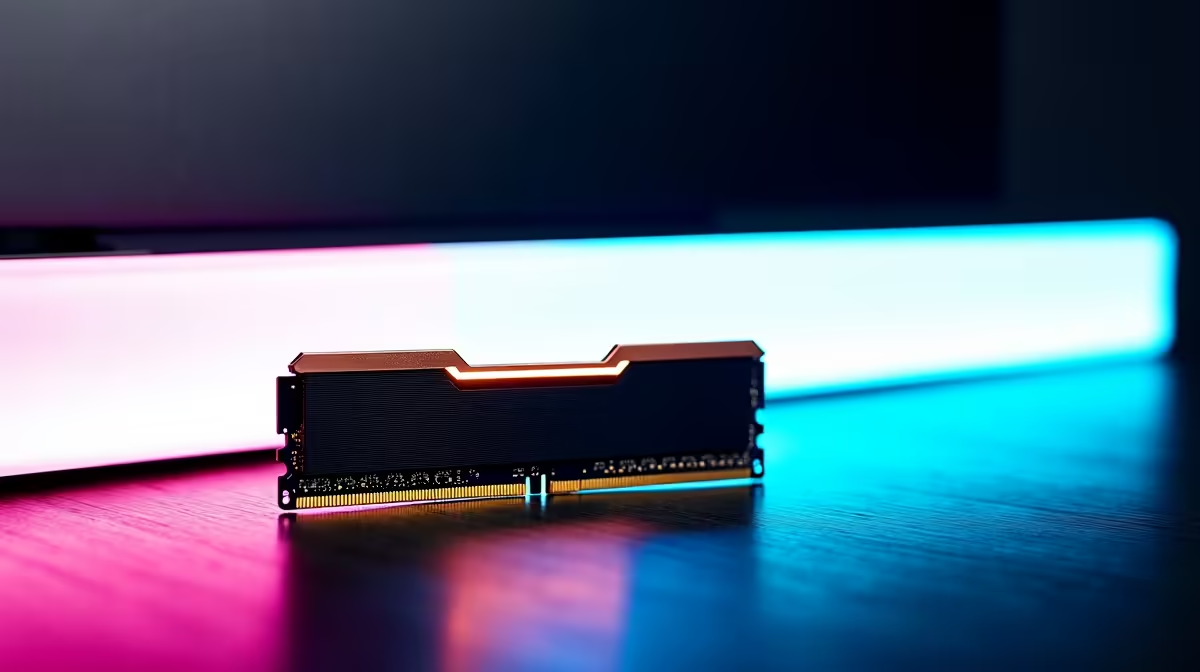
Ja, we're already looking at 2026. If you're planning a future-proof PC build in South Africa, the big question isn't just about cores or clocks… it's about memory. Specifically, who will offer the best DDR5-8000 CPU support: Intel or AMD? This isn't just abstract tech talk; it's about ensuring your next rig has the legs to keep up with tomorrow's games and apps. Let's dive into the compatibility showdown.
What is DDR5-8000 and Why Should You Care?
Think of your PC's RAM as a highway for data. DDR5 is the latest, widest, and fastest highway available. While many gamers are still happily using DDR5-6000, the jump to 8000 MT/s (megatransfers per second) represents a massive leap in bandwidth. 🚀
For you, this means:
- Higher Frame Rates: Games that are CPU-bound will see a noticeable performance lift as the processor can access data much faster.
- Smoother Multitasking: Juggling Discord, a game, and a browser full of tabs becomes effortless.
- Faster Content Creation: Video rendering, compiling code, and working with huge files will all benefit from the extra speed.
Getting stable DDR5-8000 CPU support relies on a strong memory controller built into the CPU itself, making the processor choice critical.
Intel's Roadmap for DDR5-8000 CPU Support
Intel has been aggressive with its memory support on recent platforms. Looking ahead to 2026, their upcoming architectures like Arrow Lake and beyond are expected to significantly improve the integrated memory controller (IMC). Historically, Intel's top-tier chips have been excellent overclockers, and we expect this trend to continue, paving the way for official and stable Intel DDR5-8000 support.
Today, we already see enthusiasts pushing the limits with Intel's current CPU lineup, especially with their flagship 24-core processors, which hints at a strong foundation for future generations. Even a powerful 14-core Intel chip today provides a glimpse into the performance floor of tomorrow.
AMD's Strategy for High-Speed Memory Compatibility
AMD revolutionised the market with its chiplet design, and its approach to memory is just as strategic. The AM5 platform was built for longevity, and we anticipate future Zen architectures (like Zen 6) will bring major IMC enhancements. AMD's focus on optimising the Infinity Fabric interconnect is key to achieving stable, high-speed AMD DDR5-8000 compatibility.
While AMD's current "sweet spot" is around DDR5-6000 for optimal fabric clock synchronisation, this is a limitation they are actively working to overcome. Future Ryzen CPUs will almost certainly raise this ceiling, making AMD's powerful Ryzen processors a strong contender for the high-speed memory crown. The performance and value offered by chips like the ever-popular AMD Ryzen 7 series make them a platform worth watching closely.
Future-Proofing Tip 🔧
Before buying any high-speed RAM kit, always check your motherboard's Qualified Vendor List (QVL) on the manufacturer's website. This list confirms which specific RAM models have been tested and are guaranteed to work at their advertised speeds with your board and CPU. It's the single best way to avoid compatibility headaches!
What This Means for Your Next PC Build Today
So, should you wait until 2026? Not necessarily. The battle for future DDR5-8000 CPU support is exciting, but the performance available right now is already incredible. Building a powerful PC today gives you years of top-tier gaming, and you can always plan for a simple CPU and motherboard upgrade down the line. ✨
The great news is that value is at an all-time high. You can get started with fantastic processors without breaking the bank, like these affordable Intel CPUs under R4200 or some great value AMD options under R3000. Both offer a clear upgrade path for when the next generation of CPUs and memory officially arrives.
The final verdict on who will win the DDR5-8000 race is still out, but one thing is certain: the future of PC performance is incredibly bright.
Ready to Upgrade Your Rig's Brains?
Whether you're building for today or planning for tomorrow, the right CPU is the heart of your PC. From budget beasts to high-core monsters, we've got the perfect processor for your needs and wallet. Explore our massive range of CPUs and find the perfect match for your build.