

Humidity Damage to PC Components: Recovery Guide
Humidity Damage to PC Components: Recovery Guide. Everything you need to know with SA pricing, step-by-step instructions & expert recommendations.
Read moreDDR5 vs Older Memory Standards: real-world performance, SA pricing, power draw and which one delivers better value for your build. The clear answer — without the fluff.
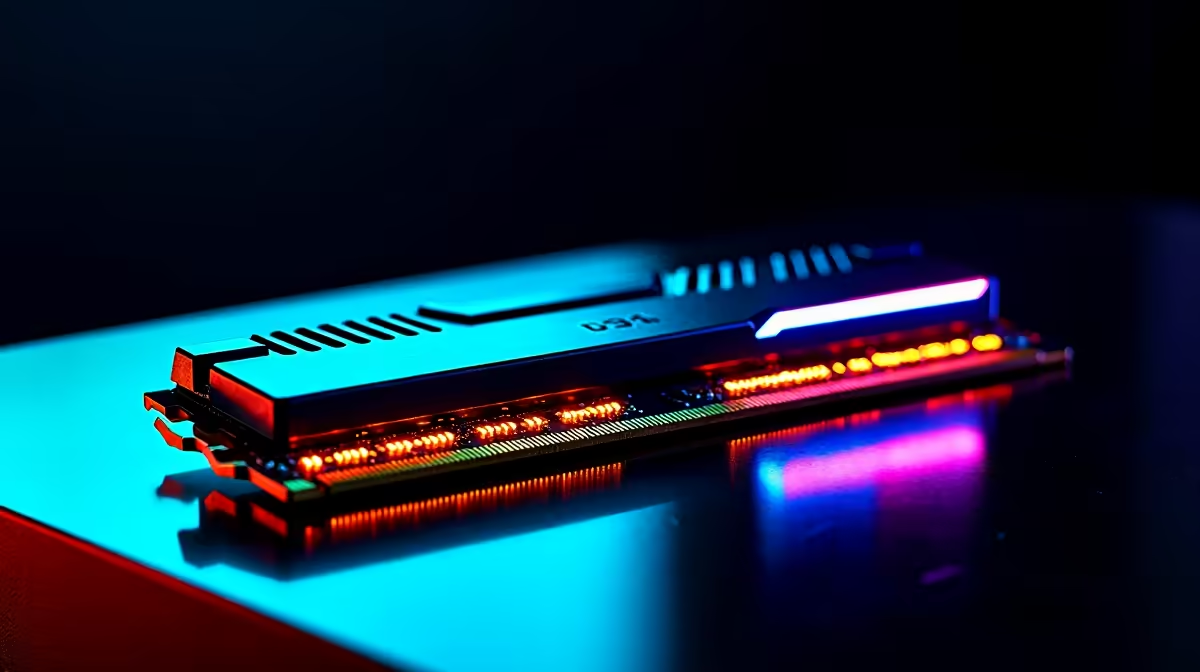
Building a new rig in South Africa often comes down to stretching every ZAR. You have picked your processor and graphics card... but what about RAM? The jump from DDR4 to DDR5 is a massive shift. If you are wondering whether to stick with the trusty old guard or embrace the future, you are not alone. Let us break down what this upgrade actually delivers for your daily grind.
The most obvious difference between DDR5 and older memory standards is raw speed. For years, DDR4 comfortably sat between 3200MHz and 3600MHz. It was reliable and affordable. However, DDR5 completely shatters that performance ceiling.
Entry-level DDR5 starts at 4800MHz and easily pushes past 7200MHz on high-end modules. When you browse the latest memory kits, these massive frequency numbers translate to real-world performance. Faster RAM feeds data to your CPU much quicker. This drastically improves your 1% low framerates in competitive titles. It means far fewer frustrating frame drops during intense gaming moments.
Speed is only half the story. DDR5 introduces a brand-new internal architecture. Each stick now features two independent 32-bit channels. This means a single DDR5 module handles multitasking far better than a DDR4 stick ever could.
Having Discord, Spotify, and fifty browser tabs open while gaming will not slow you down. If you love streaming or running heavy creative apps, this architecture is vital. Keep in mind that new RAM requires new hardware. Upgrading means you will need to look at modern motherboards that specifically support this standard. You cannot slot DDR5 into an older board.
Before buying RAM, always check your CPU and motherboard QVL (Qualified Vendor List). Intel 13th and 14th Gen chips support both DDR4 and DDR5... but you must buy the specific board for your chosen memory standard.
When comparing DDR5 vs older memory standards, gamers always ask about value. A few years ago, the price gap was huge. Today, that gap has closed significantly.
Modern games are becoming incredibly demanding. Open-world titles and massive multiplayer arenas need fast memory to prevent annoying micro-stutters. If you are pricing out a complete system, checking out pre-built gaming PC deals is a smart move. It helps you see how DDR5 fits into a perfectly balanced build without blowing your entire budget.
DDR4 has officially reached the end of its life cycle. AMD has fully moved to DDR5 with their AM5 platform. Intel is rapidly following suit with their latest generations.
Investing in DDR5 now means your PC is ready for the next five years of gaming. You will not need to replace your entire motherboard just to get faster memory later down the line. Keep a close eye on our weekly hardware specials to score premium modules at incredible prices. The upgrade makes perfect sense for any serious South African gamer looking to optimise their setup.
Ready to Supercharge Your System? The DDR5 vs older memory standards debate is clear... the future is incredibly fast. For maximum power and value in South Africa, upgrading your RAM is essential. Explore our massive range of memory upgrades and find the perfect hardware to conquer your world.
DDR5 vs Older Memory Standards is available at Evetech.co.za with local SA warranty, Rand pricing and nationwide delivery. Stock and pricing is updated in real time on the product page.
It depends on your workload and budget. We break down the key performance differences, SA pricing gap and the scenarios where each one is the smarter buy.
Real-world gaming performance varies by title and settings. The article covers head-to-head FPS benchmarks and the resolutions where the gap actually shows up.
We compare current Rand pricing from trusted SA retailers and show which option delivers more performance per Rand for your build tier.
Each option has clear wins and compromises covered in the article — from power draw and thermals to platform cost, upgrade path and feature set.
Humidity Damage to PC Components: Recovery Guide. Everything you need to know with SA pricing, step-by-step instructions & expert recommendations.
Read more
Gamer Spending Trends April : Complete Setups. Clear setup instructions with SA-specific considerations, troubleshooting tips & recommended components.
Read more
Setting Up DDR5 32GB Kit. Tested & verified settings for best FPS and visual quality on SA hardware budgets.
Read more
Tech Setup Guide for SPU Res Students. Clear setup instructions with SA-specific considerations, troubleshooting tips & recommended components.
Read more
Monster Hunter Wilds Ultrawide Support: 21:9 and. Clear setup instructions with SA-specific considerations, troubleshooting tips & recommended components.
Read more
Apple iPad Durability Guide: Cases, Screen. Practical breakdown of costs, regulations & whether it makes financial sense for SA buyers.
Read more
AMD RX 9050 XT: Rumoured Specs, Price & Release. SA-focused analysis with local pricing data, real-world insights & actionable buying advice.
Can RTX 4080 Super Run AI Workloads for SA Developers Detailed answer with SA data, expert analysis & practical recommendations for local buyers.
Can RTX 4090 Run AI Workloads for SA Developers Detailed answer with SA data, expert analysis & practical recommendations for local buyers.
Top Settings for Intel Arc B580 at Ultrawide 1440p picks evaluated on performance, value & SA availability with current Rand pricing from Evetech.

RTX 4060 CS2 Low Settings at 1080p: FPS Results. Real-world benchmark data, FPS numbers & performance analysis. What SA gamers can actually expect.

Visual Artifacts: Possible GPU Issue Issue #1. Diagnosis steps, proven fixes & when to seek professional help. SA-specific support info included.
Can the RTX 4090 Handle 1440p 144Hz Gaming. Performance testing verdict with real data & practical recommendations for SA buyers.

Top ASUS GPU Under R15000 picks evaluated on performance, value & SA availability with current Rand pricing from Evetech.
GTA 6 Max Settings on RTX 5070. Tested & verified settings for best FPS and visual quality on SA hardware budgets.
Cyberpunk 2077 Max Settings on RTX 5080. Tested & verified settings for best FPS and visual quality on SA hardware budgets.
Starfield Max Settings on RTX 5070 Ti. Tested & verified settings for best FPS and visual quality on SA hardware budgets.
Top RTX 5090 Under R5000 picks evaluated on performance, value & SA availability with current Rand pricing from Evetech.