


Complete Guide: Setting Up Monitor Light
Setting Up Monitor Light. Tested & verified settings for best FPS and visual quality on SA hardware budgets.
Read more- Map regulation impacts - Explain compliance - Highlight best practices - Show builder benefits E-Waste regulations shape PC component recycling, improving recovery, compliance and resale value for builders and shops. ♻️🔧
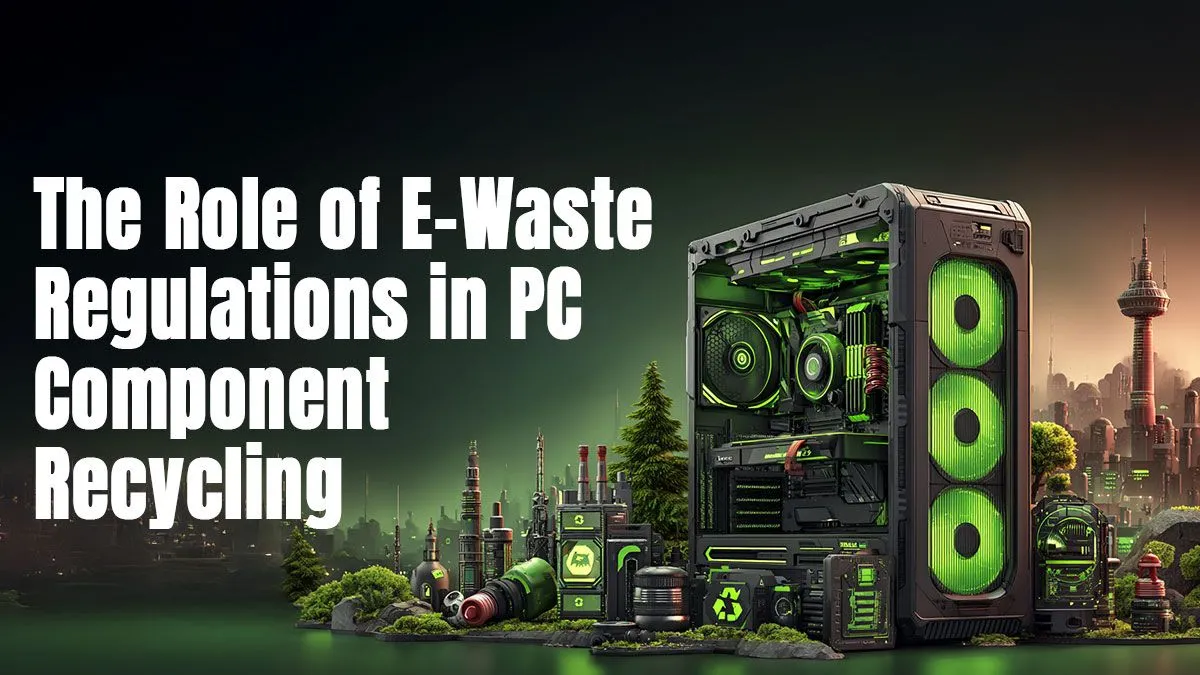
So, you’ve just unboxed that beast of a graphics card. The new-tech smell is intoxicating. But as you admire your shiny upgrade, a question pops up: what about the old one? That faithful component now sits on your desk, destined for a drawer… or worse, the bin. This is where e-waste regulations come into play, shaping a surprisingly complex system of PC component recycling right here in South Africa. Let's dive in. ♻️
You might not think about government policy when building a rig, but e-waste regulations are quietly influencing the tech industry. In South Africa, the framework around Extended Producer Responsibility (EPR) means that manufacturers and importers are increasingly responsible for the entire lifecycle of their products, including disposal.
This policy is the primary force driving formal PC component recycling. It encourages companies to partner with accredited recyclers, ensuring that old hardware doesn't just end up in a landfill, leaking harmful chemicals. When you discard an old part, these regulations help create a pathway for it to be broken down responsibly. The intricate circuitry on motherboards, for instance, contains precious metals that are too valuable—and potentially hazardous—to just throw away.
Ever wondered what actually happens to your old parts? It's more than just crushing metal. Specialised facilities dismantle everything piece by piece. It's a fascinating process:
This entire ecosystem exists because effective e-waste regulations make it economically viable and legally necessary.
Before handing over old hardware, consider its data. For old hard drives or SSDs, perform a secure data wipe using software like DBAN (Darik's Boot and Nuke) or your drive manufacturer's utility. For components without storage, like a GPU or RAM, a quick clean is all you need. This protects your privacy and makes the recycler's job a little easier.
Understanding PC component recycling isn't just about getting rid of old gear; it's about buying smarter for the future. Choosing high-quality, durable components means you'll upgrade less frequently, reducing your overall e-waste footprint. Planning a build with a clear upgrade path in mind is one of the most sustainable things a gamer can do.
Instead of replacing one part at a time, sometimes a strategic overhaul is more efficient. Opting for a modern motherboard, CPU, and RAM combo, like those found in Intel and AMD bundle packs, can set you up for years of top-tier performance and future compatibility. It’s an investment that pays off for both your gaming experience and the planet. 💻
Ready to Build a Smarter, More Powerful Rig? Upgrading your PC is a chance to invest in performance that lasts. By choosing modern, efficient hardware, you reduce future e-waste and guarantee an epic gaming experience. Explore our massive range of PC components and build a machine that's ready for tomorrow.
E-waste regulations set rules for safe disposal and recovery of electronics, ensuring PC component recycling reduces environmental harm and recovers valuable materials.
Regulations require proper handling, recordkeeping and sometimes take-back; e-waste compliance for PC builders helps avoid fines and improves customer trust.
Yes. PC hardware disposal regulations often ban landfill disposal and require certified recycling or transfer to authorized collection points.
Many regions have producer responsibility e-waste schemes that make manufacturers or importers fund collection and recycling of computer parts.
Use certified recyclers, follow local electronics recycling regulations, erase data, and separate batteries and hazardous components for proper processing.
Penalties range from fines to business license actions; failing to meet electronics recycling regulations can be costly and damage reputation.
Check your government environmental agency site or certified recycler directories to locate rules and authorized PC component recycling services.
Setting Up Monitor Light. Tested & verified settings for best FPS and visual quality on SA hardware budgets.
Read more
Assassins Creed Shadows Ultrawide Support: 21:9. Clear setup instructions with SA-specific considerations, troubleshooting tips & recommended components.
Read more
Complete Gaming Setup Guide for the Collector. Clear setup instructions with SA-specific considerations, troubleshooting tips & recommended components.
Read more
Will the Steam Deck 2 Have an OLED Screen? Leaked. Plain-English explanation of what it means, why it matters & how it affects your buying decisions in SA.
Read more
Setting Up Ultrawide 144Hz. Tested & verified settings for best FPS and visual quality on SA hardware budgets.
Read more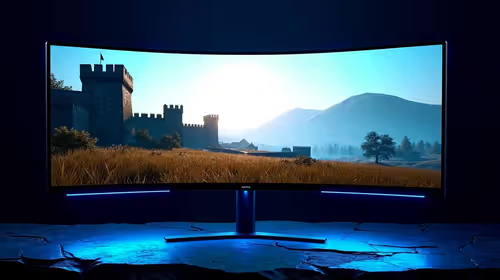
Kingdom Come: Deliverance 2 Ultrawide Support. Clear setup instructions with SA-specific considerations, troubleshooting tips & recommended components.
Read more
When Will the RTX 6090 Launch in South Africa Detailed answer with SA data, expert analysis & practical recommendations for local buyers.
Top Valorant Settings for RTX 5070: FPS Optimisation picks evaluated on performance, value & SA availability with current Rand pricing from Evetech.
RDNA 3.5 Graphics in Ryzen AI 400? Can You Game. Plain-English explanation of what it means, why it matters & how it affects your buying decisions in SA.

GPU Price Index : December Report. Current stock data & price tracking for SA buyers. See what is available and where prices are heading.

Core i5-14600K + B760 + RTX 5060 Build Under. Full parts list, Rand pricing & expected performance. Build confidently with SA-available components.
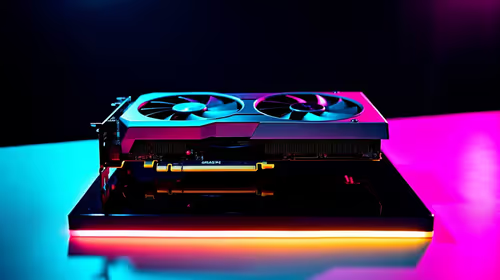
RX 7600 Apex Legends at 4K: FPS Benchmark. Real-world benchmark data, FPS numbers & performance analysis. What SA gamers can actually expect.
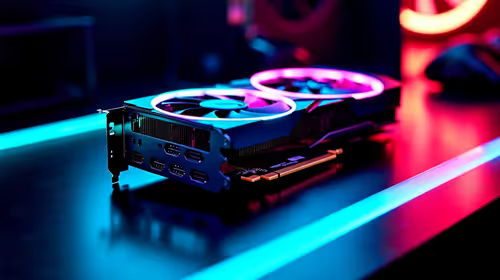
RX 7900 XTX GTA 6 at 4K: FPS Benchmark & Optimal. Real-world benchmark data, FPS numbers & performance analysis. What SA gamers can actually expect.
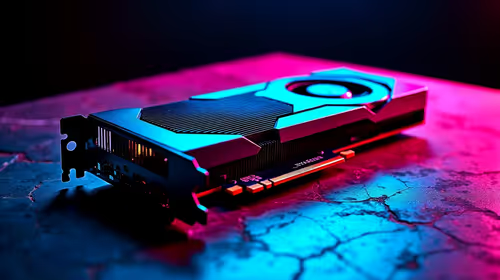
Head-to-head comparison of RTX 5070 vs RX 9070 XT: Gaming Performance for SA gamers. Performance benchmarks, Rand pricing & which delivers better value.
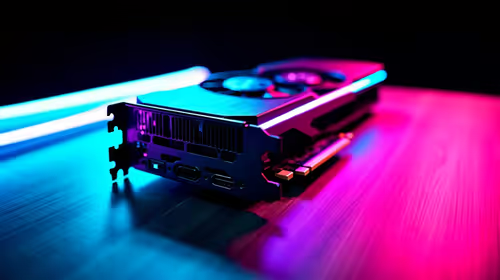
Starfield Max Settings on RTX 5070. Tested & verified settings for best FPS and visual quality on SA hardware budgets.
Top RX 7800 XT Model Under R8,000 picks evaluated on performance, value & SA availability with current Rand pricing from Evetech.
RTX 5070 Valorant Optimised Settings: Graphics. Real-world benchmark data, FPS numbers & performance analysis. What SA gamers can actually expect.
Top Laptop with Core i7 + RX 7700S: Picks picks evaluated on performance, value & SA availability with current Rand pricing from Evetech.