What is eFEM Technology?
Tired of your Wi-Fi dying the moment you walk into the kitchen for a snack? In South Africa, our thick brick walls are the ultimate enemy of a stable connection. You might have heard of Wi-Fi 6, but there is a silent hero making those speeds possible: eFEM technology. Understanding eFEM technology and how it improves wireless range is key to finally killing those dead zones. 🚀
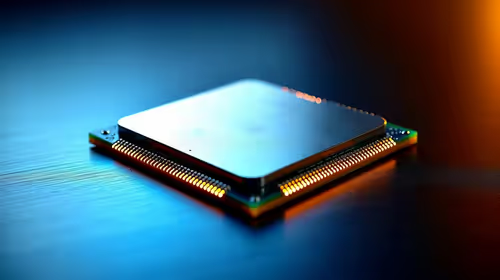
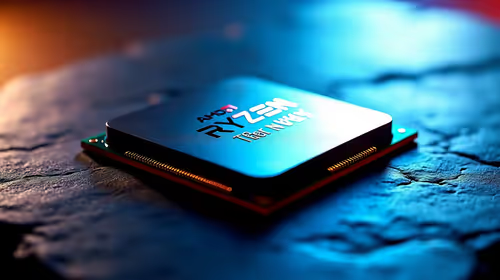
At its core, an eFEM (enhanced Front-End Module) is an integrated circuit that combines several critical components into a single, tiny chip. In older hardware, the Power Amplifier (PA), Low Noise Amplifier (LNA), and switches were often separate components. This separation caused signal loss as data travelled between them. By integrating these into one module, manufacturers can significantly optimise the performance of modern wireless networking hardware.
How eFEM Improves Wireless Range for Your Home
The primary way eFEM technology improves wireless range is through better signal management. The Power Amplifier within the module ensures your router can "shout" louder, pushing the signal through obstacles like furniture or walls. Conversely, the Low Noise Amplifier acts like a pair of super-sensitive ears... it filters out background electronic noise so your router can "hear" the faint signals coming back from your phone or laptop.
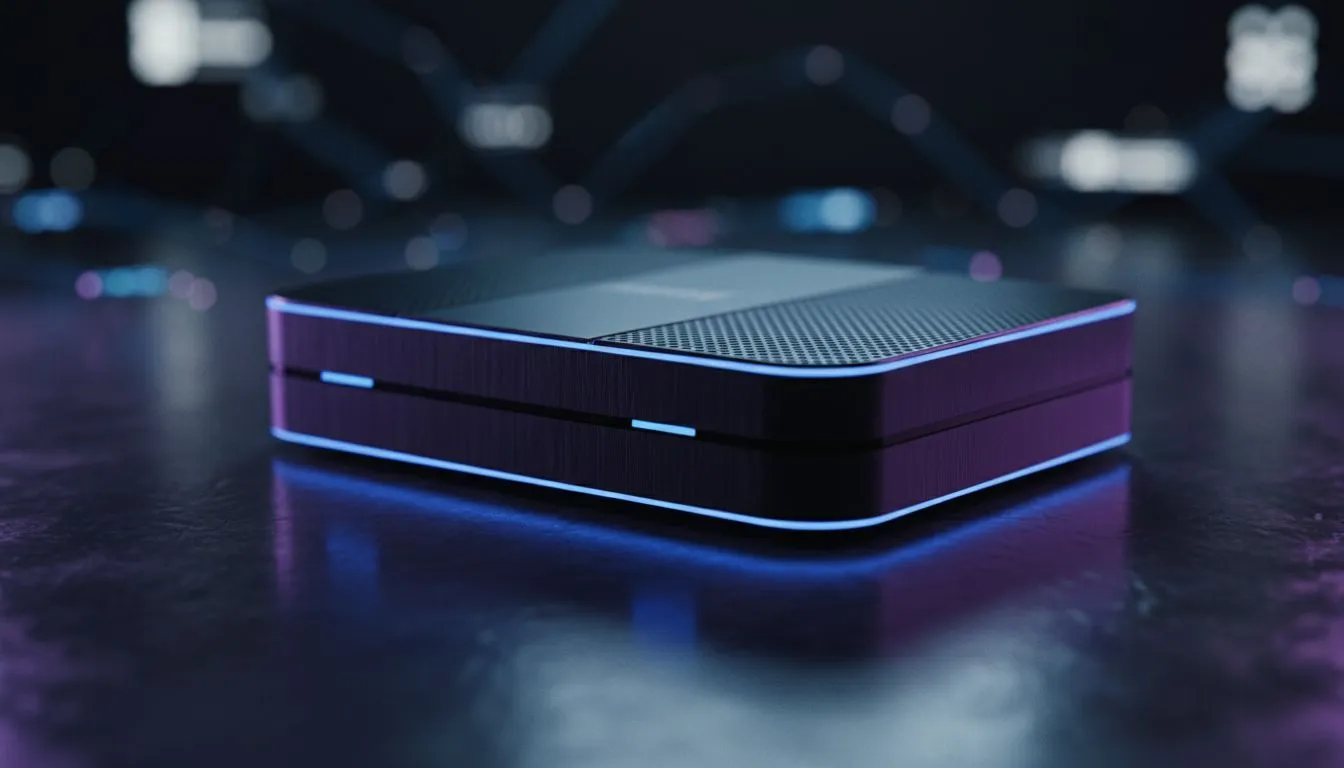
When you look to buy wireless routers today, the inclusion of high-quality eFEMs is what differentiates a budget unit from a high-performance beast. It is not just about raw speed... it is about maintaining that speed when you are three rooms away from the source. 🔧
Router Placement Pro Tip ⚡
To get the most out of your eFEM-equipped gear, place your router at least 1.5 metres off the ground. Avoid tucking it inside a TV cabinet or behind a fish tank. Water and metal are the biggest signal killers in South African homes, often negating the benefits of even the best hardware.
The Role of eFEM in Modern Hardware
It is not just the router that does the heavy lifting. For a connection to be stable, your receiving device needs to be just as capable. This is why many users choose to buy wireless adapters that feature dedicated front-end modules. When both the sender and the receiver use eFEM technology, the "handshake" between devices becomes much more reliable.
This technology also helps with power efficiency. Because the components are integrated so tightly, they consume less power to achieve higher gain. For laptop users, this means a slightly better battery life while maintaining a rock-solid connection to the office or home network. ✨
Maximising Your Connection in South Africa
Even with the best eFEM technology, some large South African homes with multiple floors might still struggle. In these cases, combining a high-end router with wireless range extenders is the best strategy. These extenders often use their own eFEMs to catch a weakening signal and rebroadcast it with renewed strength.
Whether you are dodging bullets in a high-stakes match or streaming 4K content, the underlying hardware matters. By choosing devices that leverage eFEM technology, you are investing in a more resilient, longer-reaching network that can handle the demands of modern digital life. ⚡
Ready to Boost Your Signal? Don't let thick walls and dead zones ruin your experience. From high-gain adapters to the latest Wi-Fi 6 routers, we have the hardware to keep you connected. Explore our massive range of networking specials and find the perfect solution for your home today.