

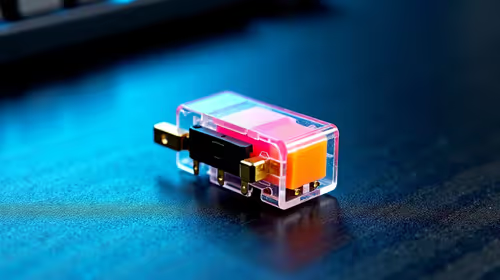
Glorious Keyboard Switches Explained: Which Switch Is Right for You?
Glorious Keyboard Switches Explained: Which. Plain-English explanation of what it means, why it matters & how it affects your buying decisions in SA.
Read moreFan bearings explained: compare hydraulic, sleeve and ball bearing fans to find the best balance of noise, lifespan and airflow. Practical pros, cons and upgrade tips 🔧🔊
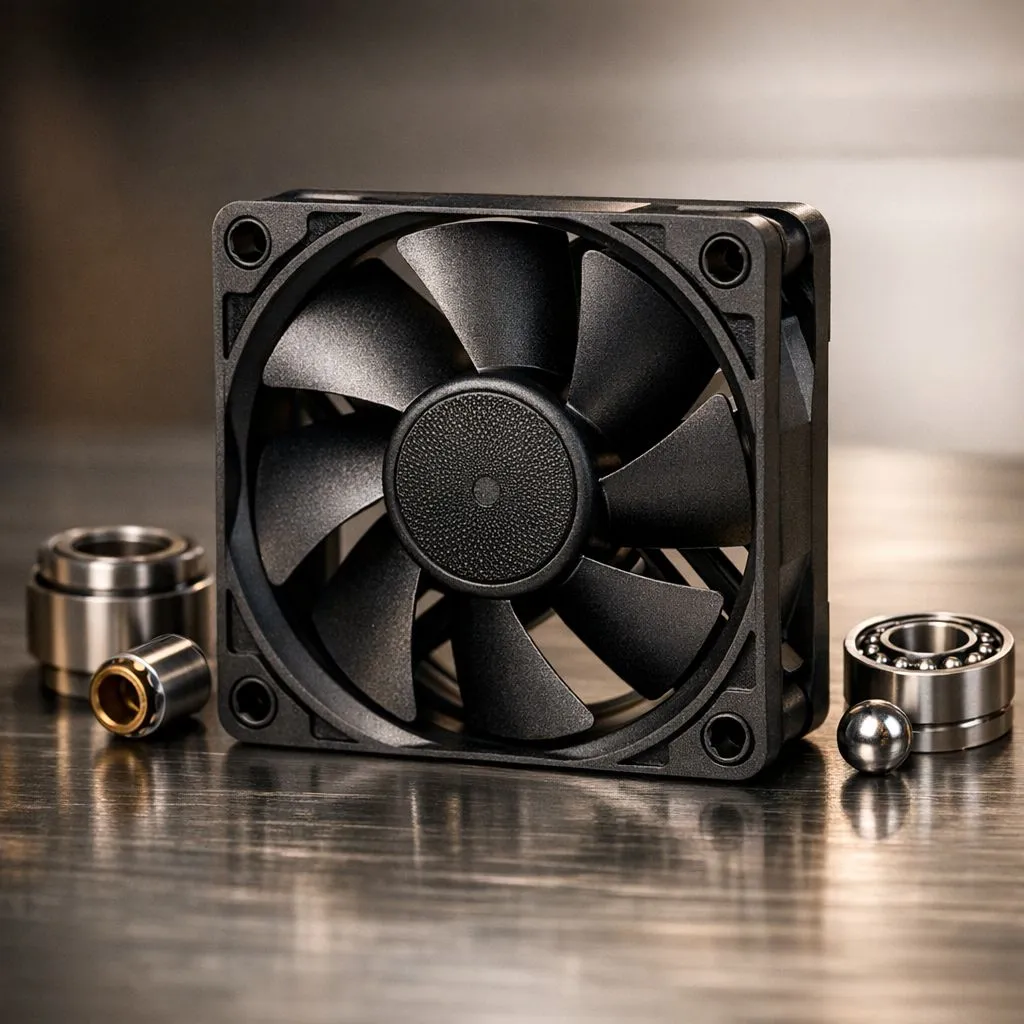
Ever wondered why your PC sounds like a jet taking off during a late-night session of Warzone? It isn't just the dust... it is likely the bearing inside your fan. When building a rig in sunny South Africa, choosing between Fan Bearings: Hydraulic vs Sleeve vs Ball Bearing can mean the difference between a silent powerhouse and a rattling nightmare that dies within months.
The bearing is the heart of your cooling system. It determines how long the fan lasts, how much noise it makes, and whether it can be mounted horizontally or vertically. In our heat, picking the right tech is vital to ensure your components stay frosty without costing a fortune in replacements.
Sleeve bearings are the most common type found in entry-level builds. They use a lubricated sleeve to reduce friction. While they are incredibly quiet when brand new, they have a shorter lifespan, especially in high-heat environments. If you are looking for a quick, affordable replacement, many standard 120mm fans use this technology to keep costs down.
However, sleeve bearings struggle when mounted horizontally... the lubricant pools at one end, leading to premature failure. For those who prefer a stealthy look, you can find sleek fans with no lighting that utilise improved sleeve variants for basic airflow needs.
Ball bearings are the tanks of the cooling world. They use small metal balls to maintain the gap between the moving parts. They handle high temperatures much better than sleeve bearings and can be mounted in any orientation without failing.
If you are pushing your hardware with heavy renders or long gaming sessions, larger 140mm fans with dual ball bearings are a fantastic investment. They might be slightly louder at low speeds, but their reliability is unmatched... often lasting over 60,000 hours of continuous use ⚡.
Never mount a standard sleeve bearing fan at the top of your case facing downwards. The gravity-induced oil leakage will lead to a noisy 'grinding' sound within months. For top exhaust positions, always opt for ball bearing or hydraulic options to ensure longevity and peace of mind.
Hydraulic bearings are essentially an evolved version of the sleeve bearing. They feature a self-lubricating design that uses a pressurized fluid to keep parts from touching. This results in the quietest operation possible while maintaining a lifespan that rivals ball bearings.
Brands like reliable Deepcool units often use hydraulic bearings to strike a balance between price and performance. If you want the absolute best in acoustics and airflow, premium CORSAIR fans often feature advanced magnetic levitation or high-end hydraulic systems that keep your PC whisper-quiet.
When comparing Fan Bearings: Hydraulic vs Sleeve vs Ball Bearing, your choice depends on your budget and where the fan is going. For a front intake, a sleeve or hydraulic bearing is perfect. For a top exhaust, stick to hydraulic or ball bearings.
If aesthetics are your priority, you can find these bearing types across an extensive range of case fans in our store. Many of these options come with vibrant RGB lighting to match your setup's colour scheme while providing top-tier cooling performance 🚀.
Ready to Find Your Perfect Match? Choosing the right bearing is the first step toward a cooler, quieter PC. Whether you need the rugged durability of ball bearings or the silent operation of hydraulic tech, we have the stock to get you sorted. Explore our massive range of case fans and find the perfect cooling solution to conquer your world.
The main types are hydraulic (fluid dynamic), sleeve (plain), and ball bearings. Each affects noise, lifespan, and mounting orientation. (see hydraulic fan bearing)
Hydraulic bearings often run quieter and last longer than sleeve bearing fans, especially under consistent loads and proper cooling.
Yes—ball bearings typically offer longer lifespan and better performance in varied orientations, making them common in high-duty fans.
Hydraulic (fluid) fan bearings usually deliver the quietest operation, while sleeve bearings can generate more rumble as they age.
Yes—upgrading to ball bearing or hydraulic fans can improve reliability and maintain airflow, especially for intensive cooling needs.
Keep fans clean, ensure proper airflow, and replace failing fans early. Periodic cleaning helps sleeve bearing fans most.
Ball bearing and quality hydraulic fans handle high RPMs and frequent use better than sleeve bearing fans for gaming rigs.
Glorious Keyboard Switches Explained: Which. Plain-English explanation of what it means, why it matters & how it affects your buying decisions in SA.
Read more
Winter Keyboard Buying Guide. Everything you need to know with SA pricing, step-by-step instructions & expert recommendations.
Read more
Keyboard Buying Guide. Everything you need to know with SA pricing, step-by-step instructions & expert recommendations.
Read more
LGBTQ+ Gamers Keyboard Guide: January Edition. Everything you need to know with SA pricing, step-by-step instructions & expert recommendations.
Read more
Keyboard Maintenance Guide Gamers. Everything you need to know with SA pricing, step-by-step instructions & expert recommendations.
Read more
Accessibility Focused Keyboard Guide: January. Everything you need to know with SA pricing, step-by-step instructions & expert recommendations.
Read more
Snapdragon X2 NPU Explained: How 80 TOPS Changes. Plain-English explanation of what it means, why it matters & how it affects your buying decisions in SA.

HBM? High Bandwidth Memory Used in GPUs and AI. Plain-English explanation of what it means, why it matters & how it affects your buying decisions in SA.
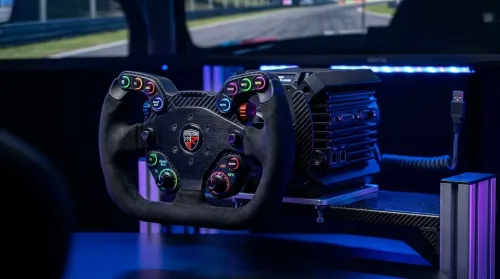
How much should you spend on sim racing accessories in South Africa for a realistic setup? We break down budgets by quality tiers, so you buy smart gear and avoid overspending 🎮💸

G-Sync and FreeSync? Variable Refresh Rate. Plain-English explanation of what it means, why it matters & how it affects your buying decisions in SA.

AMD Laptop: Value. SA-focused analysis with local pricing data, real-world insights & actionable buying advice.

How MacBook Neo Handles 30+ Chrome Tabs with Only. SA-focused analysis with local pricing data, real-world insights & actionable buying advice.

Why Apple Put 8GB RAM in MacBook Neo: The A18 Pro. SA-focused analysis with local pricing data, real-world insights & actionable buying advice.

Upgrade your work laptop with a New Motherboard. Step-by-step instructions with SA-specific tips, common pitfalls to avoid & expert recommendations.

MacBook Pro 16-Inch M5 Max: Complete Specs,. Everything you need to know with SA pricing, step-by-step instructions & expert recommendations.

Travelling With a MacBook: Travellers. Everything you need to know with SA pricing, step-by-step instructions & expert recommendations.

Back-to-School Parent Guide: Laptops. Everything you need to know with SA pricing, step-by-step instructions & expert recommendations.

MacBook Air 13-Inch M5: Complete Specs, Features. Everything you need to know with SA pricing, step-by-step instructions & expert recommendations.