

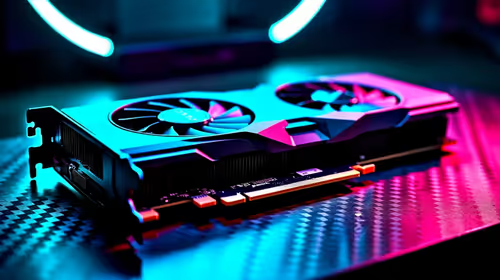
GPU Setup Guide for SA Gamers
GPU Setup Guide Gamers. Clear setup instructions with SA-specific considerations, troubleshooting tips & recommended components.
Read moreHeavy-Duty Mechanical Switches explain what a 20 million click rating means for real-world lifespan, performance, and maintenance — essential for heavy users. 🛠️⌨️
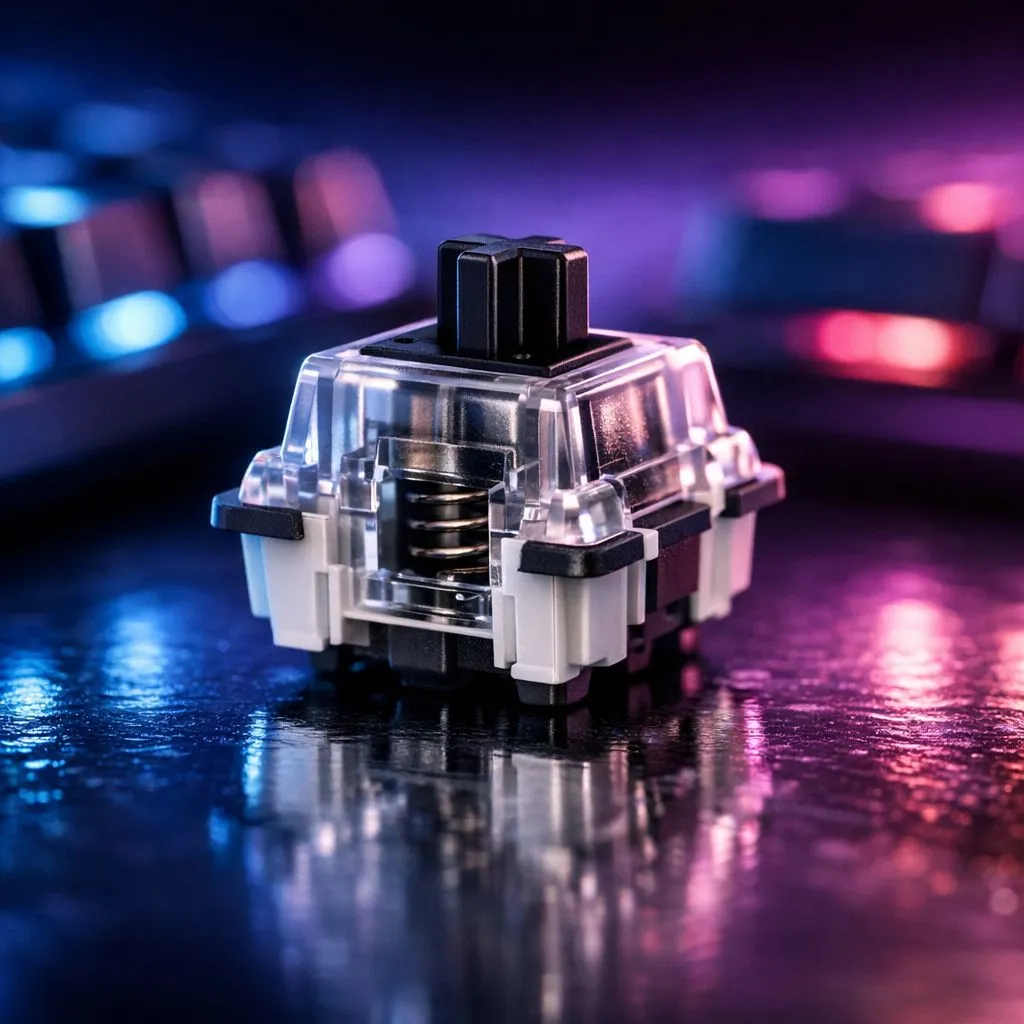
Ever wondered why mouse manufacturers brag about 20 million clicks? In the heat of a 1v1 on Dust II or a chaotic team fight in League, your mouse takes a beating. For South African gamers, gear needs to survive more than just a few sessions... it needs to last years of intense play. Understanding heavy-duty mechanical switches is the secret to making a smart investment in your setup. 🔧
The heart of every high-performance gaming mouse lies in its switch mechanism. Most heavy-duty variants use a copper alloy leaf spring. When you press the button, this metal piece snaps down to complete an electrical circuit. The "20 million" rating isn't just a random number; it is a promise of fatigue resistance. Engineers test these components in labs using pneumatic actuators to ensure the metal doesn't lose its "clicky" tension or develop the dreaded double-click issue after a few months of grinding.
If you are hunting for the best gaming mouse deals in South Africa, you will notice that 20 million is often the baseline for "pro-grade" gear. Let’s do the math. Even if you are a high-APM (actions per minute) player clicking 5,000 times a day, a 20-million-click rated switch would theoretically last you over 10 years.
However, real-world conditions like humidity and dust in local coastal cities can affect longevity. That is why heavy-duty mechanical switches often feature gold-plated contacts. Gold does not corrode like cheaper metals, ensuring that the electrical signal remains crisp even after years of service. It is about more than just surviving... it is about maintaining that tactile "snap" you felt on day one.
To keep your switches feeling fresh, use a can of compressed air to blow out dust from under the primary click plates once a month. This prevents grit from entering the switch housing, which is the leading cause of premature switch failure and mushy feedback.
Whether you prefer the freedom of a wireless mouse or the zero-latency reliability of a wired mouse, the switch quality remains the ultimate bottleneck for performance. A high-quality switch ensures that the "debounce delay" (the time the software waits for the metal spring to stop bouncing) is kept to a minimum. ⚡
Low-quality switches require longer debounce times to avoid accidental double-clicks, which adds precious milliseconds of input lag. By choosing gear with verified heavy-duty mechanical switches, you are effectively reducing your input latency. If you find your current gear is starting to feel sluggish, it might be time to look into mouse accessories like replacement skates to refresh the glide, or consider an upgrade to a newer switch generation. 🚀
Ready to Upgrade Your Clicking Power? Don't let a mushy switch cost you the match. From 20-million to 80-million click durability, we have the tech to keep you in the game. Explore our massive range of gaming mouse specials and find the perfect heavy-duty companion for your rig.
A 20 million click rating means each switch is rated to actuate 20 million times under lab conditions; expect varying real-world lifespan depending on use and care.
Yes — 20 million click switches suit heavy typists and gamers but factors like actuation force and lubrication affect comfort and longevity.
Manufacturers use automated actuators to cycle switches and record failures; testing reveals mechanical wear, contact degradation, and debounce changes.
Some Cherry MX lines are rated around 20 million clicks; other brands offer 50M or 100M ratings, so compare specs for durability.
Yes. Cleaning, proper keycap care, and occasional re-lubing reduce friction and contact wear, extending switch lifespan beyond rated clicks.
For daily heavy use, 50M gives extra headroom, but 20M switches remain reliable if paired with maintenance and quality build materials.
Industrial switches use different durability metrics; a 20M keyboard rating is useful for consumer gear but check industrial specs for rugged applications.
GPU Setup Guide Gamers. Clear setup instructions with SA-specific considerations, troubleshooting tips & recommended components.
Read more
When Will the RTX 6090 Launch in South Africa Detailed answer with SA data, expert analysis & practical recommendations for local buyers.
Top Valorant Settings for RTX 5070: FPS Optimisation picks evaluated on performance, value & SA availability with current Rand pricing from Evetech.
RDNA 3.5 Graphics in Ryzen AI 400? Can You Game. Plain-English explanation of what it means, why it matters & how it affects your buying decisions in SA.

GPU Price Index : December Report. Current stock data & price tracking for SA buyers. See what is available and where prices are heading.

Core i5-14600K + B760 + RTX 5060 Build Under. Full parts list, Rand pricing & expected performance. Build confidently with SA-available components.
RX 7600 Apex Legends at 4K: FPS Benchmark. Real-world benchmark data, FPS numbers & performance analysis. What SA gamers can actually expect.
RX 7900 XTX GTA 6 at 4K: FPS Benchmark & Optimal. Real-world benchmark data, FPS numbers & performance analysis. What SA gamers can actually expect.
Head-to-head comparison of RTX 5070 vs RX 9070 XT: Gaming Performance for SA gamers. Performance benchmarks, Rand pricing & which delivers better value.
GPU Setup Guide Gamers. Clear setup instructions with SA-specific considerations, troubleshooting tips & recommended components.
Top RTX 5090 Under R12000 picks evaluated on performance, value & SA availability with current Rand pricing from Evetech.
Call of Duty Warzone 2 Settings on RX 7600. Real-world benchmark data, FPS numbers & performance analysis. What SA gamers can actually expect.
GTA 6 Settings on RTX 5070 Ti: Performance. Real-world benchmark data, FPS numbers & performance analysis. What SA gamers can actually expect.