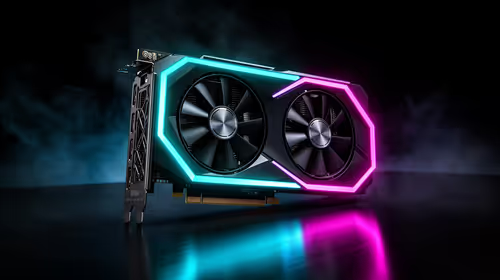
Summer in South Africa is relentless. When the mercury hits 32 degrees in your bedroom, you are not the only one sweating. Your gaming rig is fighting a losing battle against the heat. Understanding how South African room temperatures affect GPU cooling, boost clocks, and fan noise is vital. It is the difference between smooth frame rates and a stuttering, noisy mess. Let us dive into the details.
The Basics of Ambient Heat and GPU Cooling ☀️
Modern GPUs are power-hungry beasts. All that electrical energy turns into heat. To keep temperatures safe, your cooler relies on ambient air. If your room is a cool 20 degrees, the cooler works efficiently. But during a scorching Highveld afternoon, ambient temperatures can soar.
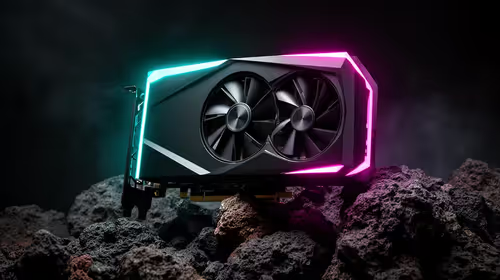
Drawing 30-degree air into your case makes heat dissipation much harder. Your cooler has to work overtime just to maintain baseline temperatures. If you are planning to explore our massive range of graphics cards, pay attention to cooler designs. A beefy heatsink is your best defence against our local climate.
Why High Temperatures Cripple Boost Clocks ⚡
Modern graphics processing units are incredibly smart. They use dynamic boosting algorithms to maximise performance. When thermal headroom is available, the core clock pushes higher. This gives you more frames per second. However, this system relies heavily on strict temperature limits.
When South African room temperatures spike, your GPU hits its thermal threshold faster. The card will automatically lower its clock speeds to protect itself. This is known as thermal throttling. It means you lose performance when you need it most. Older architectures, like those found in some NVIDIA GeForce GTX graphics cards, are especially sensitive to ambient heat. Newer generation cards still throttle, but they manage the curve better.
The Battle Against Excessive Fan Noise 🔧
Nobody wants their PC to sound like a jet engine. Unfortunately, fan noise is directly tied to GPU cooling. When boost clocks drop and temperatures rise, the fans spin up. They have to push more hot air out of the heatsink.
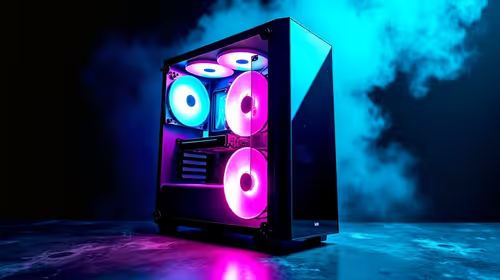
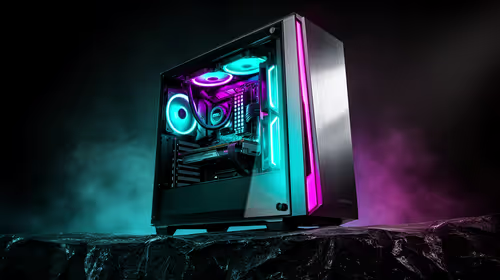
In a hot South African room, your fans might run at maximum speed constantly. This ruins the audio experience of your favourite games. Good case airflow is the ultimate solution here. If you are looking at the best gaming PC deals, always prioritise cases with mesh front panels. Better intake means your GPU fans can spin slower and quieter.
Airflow Pro Tip ❄️
Undervolting is a fantastic way to beat the South African heat. By slightly lowering the voltage supplied to your GPU via software, you drastically reduce temperatures and fan noise without losing any noticeable boost clock performance.
How to Optimise Your Setup for Summer
You cannot control the weather, but you can control your PC environment. First, keep your PC off the floor to minimise dust intake. Dust clogs heatsinks and destroys cooling efficiency. Second, consider upgrading your case fans to improve fresh air delivery.
If your current card runs too hot regardless of airflow, it might be time for an upgrade. Triple-fan cooler designs handle high ambient temperatures much better than dual-fan models. You can easily find these robust models by checking out the best graphics card deals available right now.
Finally, do not forget to re-paste older cards. Thermal paste degrades over time... especially under harsh thermal cycles. Keeping an eye on our latest tech specials is a great way to grab cooling upgrades for less ZAR.
Ready to Beat the Summer Heat?
Surviving South African summers requires the right hardware. Do not let thermal throttling ruin your gaming sessions. Explore our massive range of PC upgrades and find the perfect cooling solutions or graphics cards to conquer the heat.