Understanding the LGA 1851 Transition
Upgrading your PC in South Africa usually involves a tough choice between a simple drop-in upgrade or a total platform overhaul. With the arrival of Arrow Lake, Intel has officially retired the long-standing LGA 1700 socket. If you are eyeing the new Core Ultra processors, you will need to get familiar with LGA 1851. But why the change, and is the investment worth your hard-earned Rands? 🔧
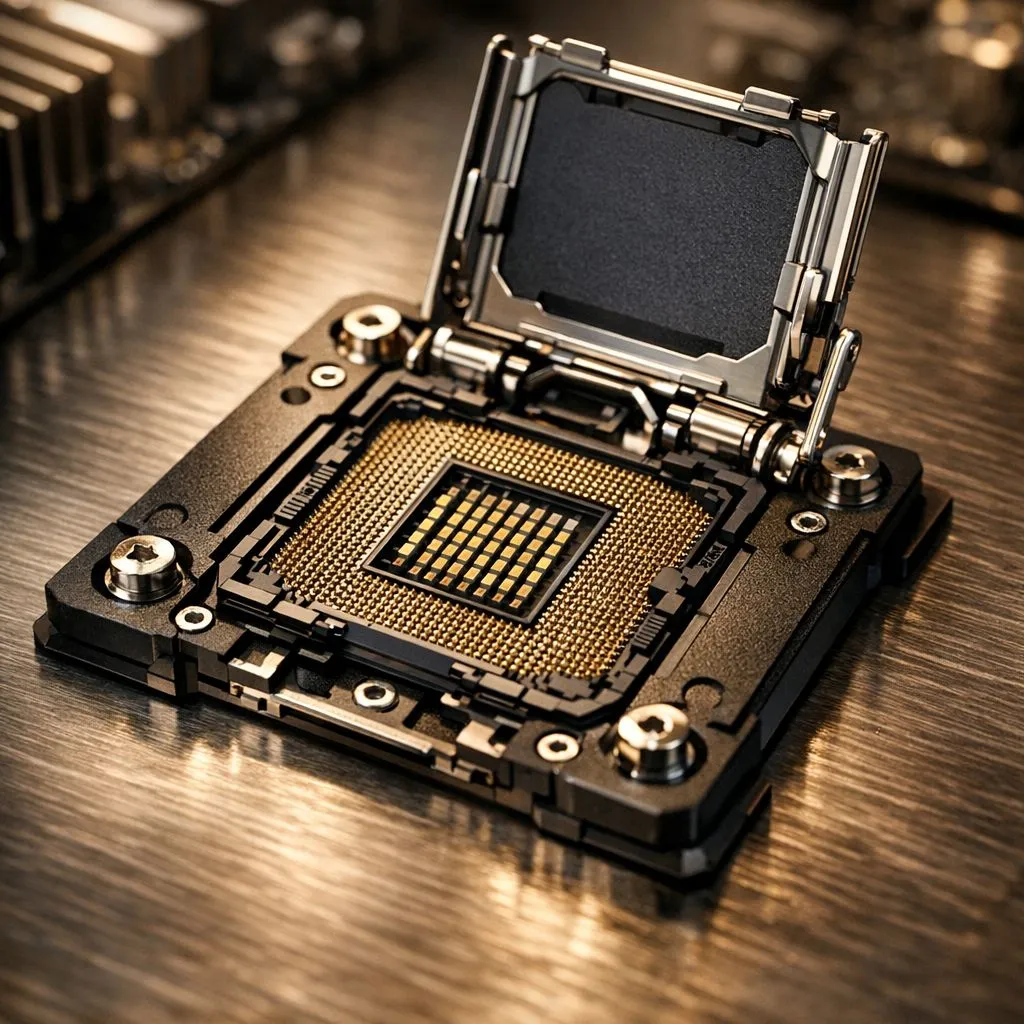
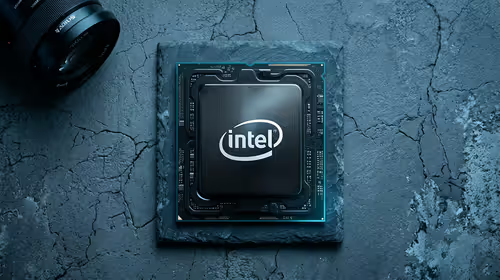
The move to a new socket is never taken lightly. For three generations, Intel users enjoyed the flexibility of LGA 1700. However, as power demands and data speeds evolved, the physical limitations of the old layout became apparent. When you look to explore the latest Intel CPU deals, you will notice that the physical dimensions of the socket remain similar, but the pin density has increased significantly.
More Pins for More Performance
The "1851" in LGA 1851 refers to the number of contact pins on the socket. This is a jump from the 1700 pins found on previous motherboards. These extra 151 pins are not just for show... they are essential for the increased bandwidth required by Arrow Lake. While some enthusiasts might opt to buy AMD CPUs for their legendary socket longevity, Intel's shift ensures that every bit of performance is squeezed out of the new architecture.
These pins facilitate better power delivery and enhanced I/O capabilities. If you are building a workstation and need a high-performance 14-core Intel processor, the LGA 1851 platform provides the stability needed for those intensive multi-threaded workloads. ⚡
Cooling Compatibility Tip ❄️
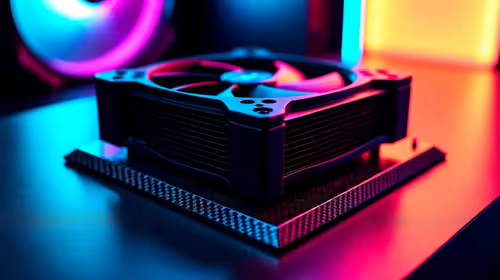
Although LGA 1851 has more pins, the physical size is almost identical to LGA 1700. Many premium cooler manufacturers are offering bracket kits to make your existing high-end cooler compatible. Before you buy a new one, check if a R150 bracket can save you from spending R2,000 on a new AIO.
The PCIe 5.0 Advantage
One of the biggest reasons for the LGA 1851 shift is the dedicated support for PCIe 5.0 across more lanes. In previous generations, sharing bandwidth between your GPU and your M.2 SSD was a common bottleneck. Arrow Lake changes that. The new socket allows for dedicated PCIe 5.0 x4 lanes for your storage without stealing speed from your graphics card. 🚀
This puts Intel back in a very competitive position, especially when compared to the AMD Ryzen 7 series which has championed PCIe 5.0 for some time. For South African gamers looking to future-proof their rigs for the next five years, this increased connectivity is a vital feature.
Cooling and Compatibility in South Africa
The mounting pressure and "Z-height" of the LGA 1851 socket are slightly different from its predecessor. While the hole patterns for coolers are often the same, the contact pressure must be precise to avoid thermal throttling. Ensuring your thermal paste application is perfect and your mounting pressure is even will be more important than ever with these high-density chips. ✨
Intel’s move to LGA 1851 represents a clean break from the past to embrace the future of high-speed computing. It is a necessary step to ensure that South African gamers and creators have access to the best possible technology without being held back by legacy hardware limitations.
Ready to Build Your Arrow Lake Powerhouse?
The shift to LGA 1851 marks a new era of performance and efficiency for Intel users. Whether you are chasing the highest frame rates or professional productivity, Evetech has the hardware to get you there. Browse our full range of Intel Core Ultra processors and start your next-gen build today.