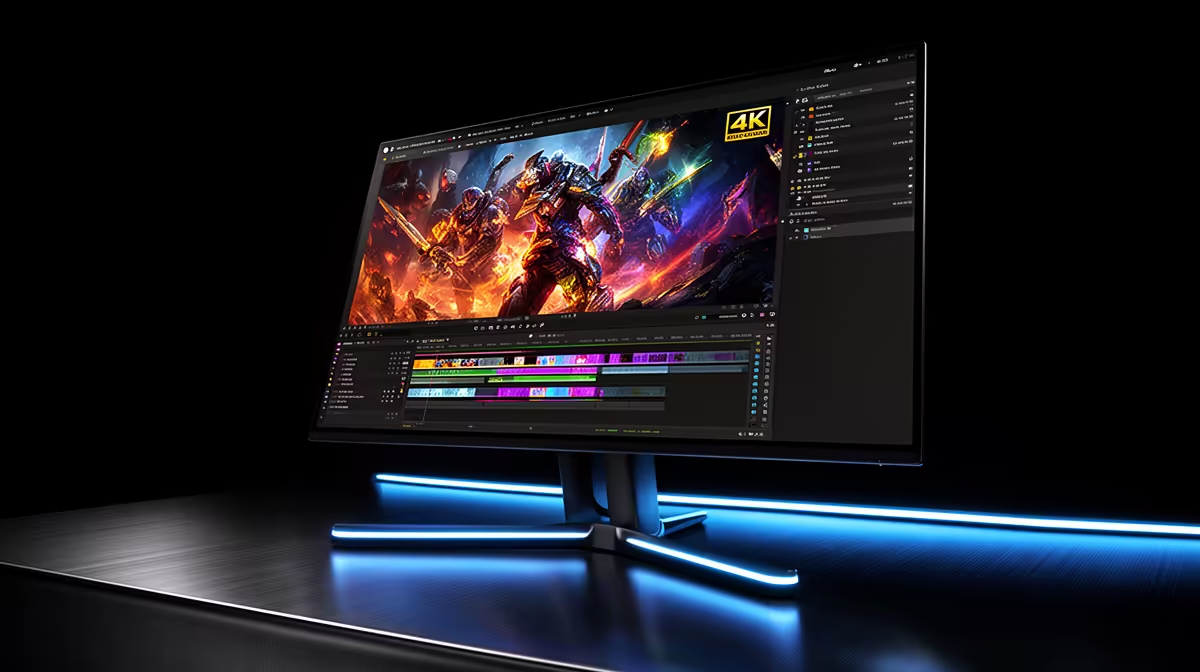
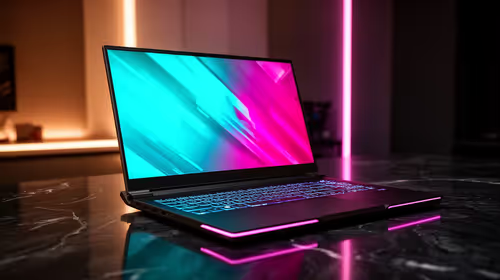
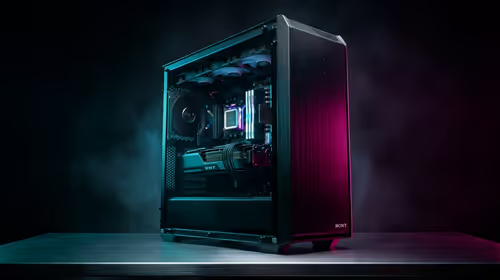
Plenty of 4K video editing rigs run beautifully on QD-OLED, so it pays to know exactly what WOLED adds before you spend extra.
Quick Answer
Go WOLED when the price gap is small and your platform is new, because WOLED panels reach high peak brightness in small windows. Otherwise QD-OLED is the smarter spend for 4K video editing, with parts typically landing around R10,000 to R28,000.
Future headroom and upgrade runway
WOLED buys you more time before the next upgrade, which suits a fresh platform you plan to keep for years. QD-OLED is the pragmatic pick if you upgrade in smaller, more frequent steps.
What WOLED actually changes for 4K video editing
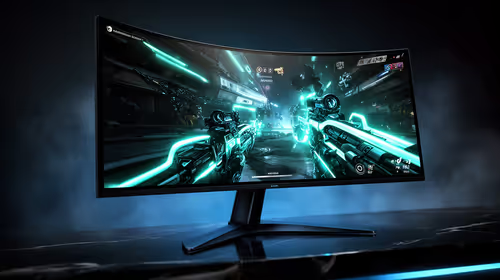
WOLED panels reach high peak brightness in small windows. For timeline scrubbing, exports and high-bitrate footage, that translates into scratch-disk throughput and stable preview playback when the rest of the system can keep up. The win is real but narrow: it shows in edge cases, not in every minute of play.
Why QD-OLED is still a smart buy
QD-OLED renders punchier, more saturated colour volume, which keeps it firmly in the value seat. If your current parts are healthy, the money saved by choosing QD-OLED is better aimed at the component that limits you most right now.
FAQ
Which one helps 4K video editing most on a tight budget?
QD-OLED. QD-OLED renders punchier, more saturated colour volume, leaving more of your budget for the parts that visibly improve timeline scrubbing, exports and high-bitrate footage.
Can I move to WOLED later without rebuilding?
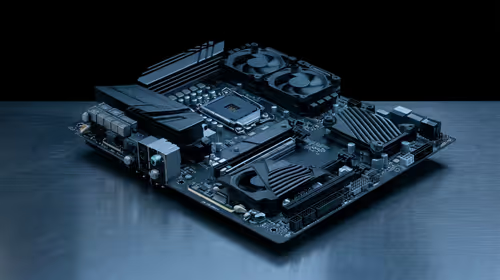
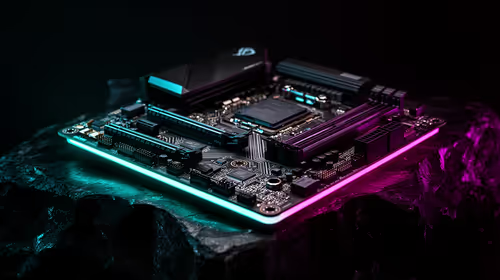
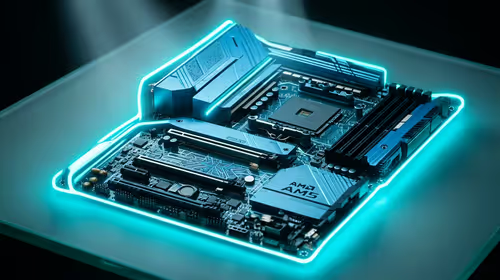
Often yes, if your motherboard already supports it. Buy a platform with the right slots now and you keep the door open without paying for WOLED today.
Does WOLED make a difference for scratch-disk throughput and stable preview playback?
A measurable one in the right scenario, yes. Whether it is a felt difference depends on the rest of your hardware keeping pace.
Buyer Tip
Confirm your motherboard supports the panel type you want before checkout, then size the part to your 4K video editing budget.