

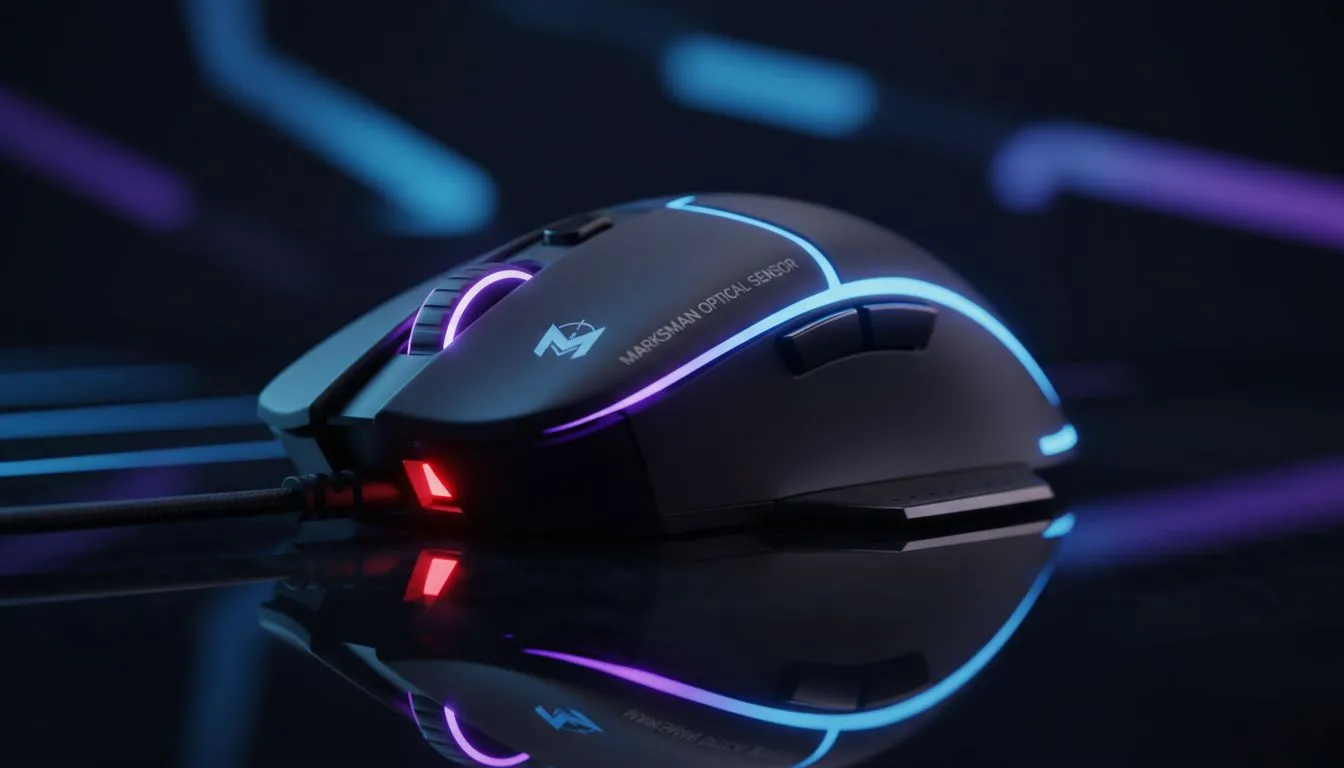
The Core Difference: Optical vs Laser Sensor Tech
Ever missed a crucial flick shot in Counter-Strike because your cursor skipped? In the South African competitive scene, every millisecond counts. Choosing between an Optical vs Laser Sensor can be the difference between a win and a trip back to the lobby. While both technologies have their place, the modern marksman optical sensor has become the gold standard for serious local gamers looking for pure precision. 🔧
Understanding the tech starts with how these sensors "see" your desk. An optical sensor uses an LED light to illuminate the surface. It takes thousands of pictures per second to track movement. When you are looking for a new gaming mouse, this reliability is what keeps your aim consistent during intense firefights.
Why Optical Sensors Rule the Competitive Scene
Laser sensors were once popular because they work on almost any surface, including glass. However, they often introduce something called inherent acceleration. This means your cursor might move further if you swipe faster... even if the physical distance is the same. For a gamer, this is a nightmare for muscle memory.
You can often find incredible best gaming mouse deals that bring pro-grade optical sensors to a budget-friendly ZAR price point. These sensors offer "1-to-1 tracking," meaning your on-screen movement perfectly matches your hand. 🚀
Pro Aiming Tip ⚡
Always disable 'Enhance Pointer Precision' in your Windows mouse settings. This is actually a form of mouse acceleration that interferes with your sensor's raw input, making it much harder to build consistent muscle memory in fast-paced shooters.
Consistency and Surface Choice
Optical sensors perform best on non-reflective surfaces. This is why almost every professional esports player uses a cloth mousepad. If you prefer the freedom of movement, a high-performance wireless mouse now offers the same optical precision as its tethered counterparts without any noticeable lag.
If you are a traditionalist who never wants to worry about battery life, a classic wired mouse remains a reliable choice for the long haul. The lack of acceleration in these optical units ensures that your crosshair goes exactly where you intend... every single time.
Maximising Your Sensor's Potential
Even the best sensor needs the right environment to shine. Dust and hair can easily obstruct the small lens of an optical sensor. Keeping your setup clean is vital for maintaining that "marksman" accuracy. Investing in essential mouse accessories like a premium desk mat or a mouse bungee can further optimise your experience. ✨
Ultimately, the optical sensor wins for gaming because it stays out of your way. It doesn't try to "predict" your movement or smooth out your lines. It simply reports the truth of your movement to your PC. In the world of competitive gaming, the truth is what wins trophies.
Ready to Find Your Perfect Match? The Optical vs Laser Sensor debate is clear... for pure gaming performance, optical is the way to go. Explore our massive range of gaming mouse deals and find the perfect tool to dominate the South African leaderboards.











